Product Management
Blog Management
Inquiry Management
Analytics Center

 Connect Your Store to WeChat
Follow Our Official Service Account
Manage Products & Inquiries Anywhere
Seller Services

Join GoldSupplier.com
Free & Instant Registration
Showcase Company & Products
Access Global Buying Requests

Activate Verified Supplier Membership
Priority Verified Visibility
Claim Exclusive Buying Requests
Automated Multi-language Store

Launch Your EasyOcean Website
Full-Service Website Management
Google Page 1 Guarantee
Enhanced Brand Credibility

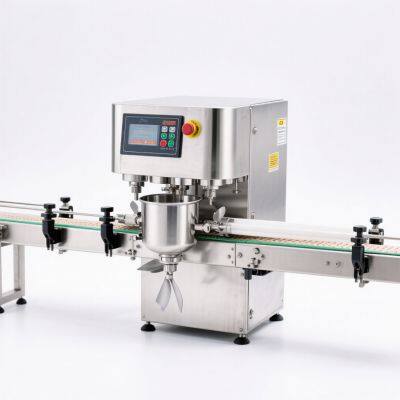
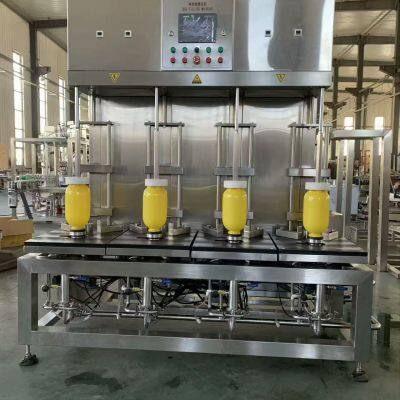
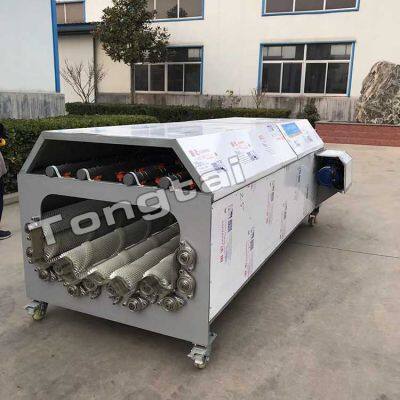
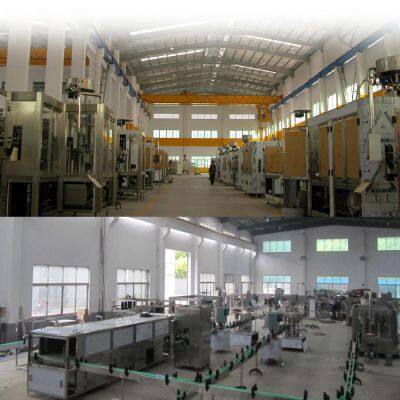
The Machinery for Food, Beverage & Cereal channel on Goldsupplier.com brings together enterprises and products from key categories like Pet Food Processing Machinery, Snack Machinery, Fruit & Vegetable Processing Machinery, Cooking & Baking Equipment, and Grain Products Processing Machinery, featuring global Wholesale Suppliers and Manufacturers. It provides a one-stop solution for buyers, from OEM customization to bulk procurement.
Industry advancements include automated processing lines and intelligent control systems, with compliance to FDA certification and eco-friendly practices for sustainable sourcing. Buyers benefit from bulk order efficiencies and OEM production capabilities in line with global standards.
Goldsupplier.com ensures quality with strict verification and certification systems, offering trustworthy Suppliers for reliable machinery. Find certified Manufacturers today and request quotes to meet your sourcing needs efficiently.
7,852
2,192,402
13,902
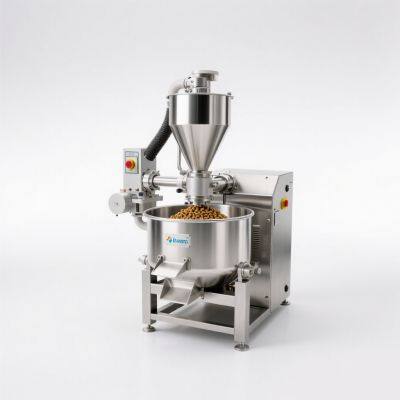
Pet Food Processing Machinery

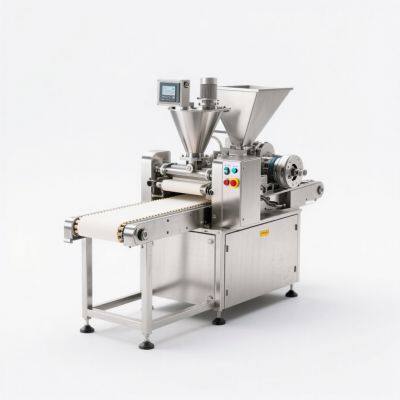
Snack Machinery
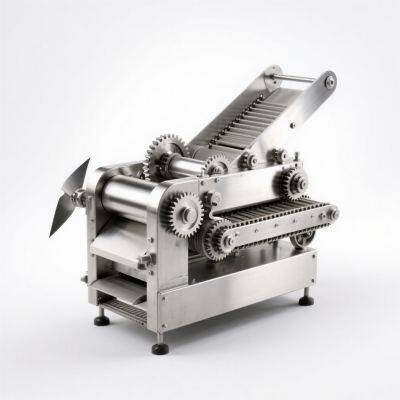
Fruit & Vegetable Processing Machinery
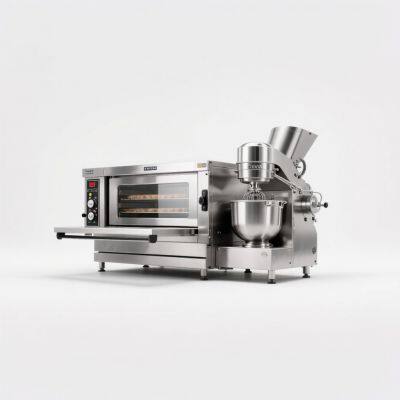
Cooking & Baking Equipment
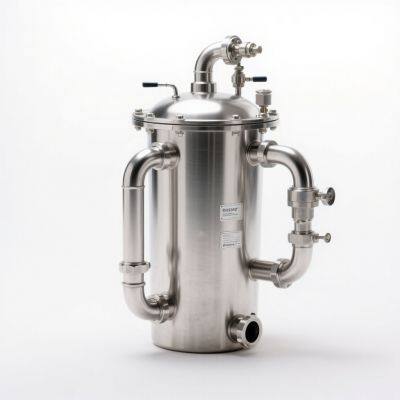
Dairy Processing Machinery
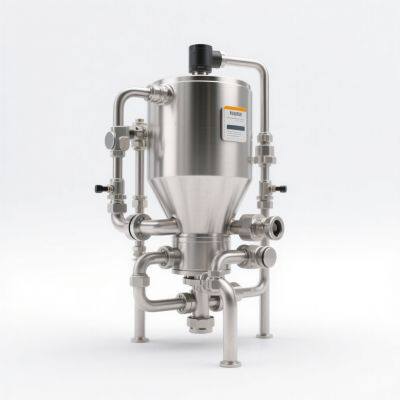
Beverage Processing Machinery
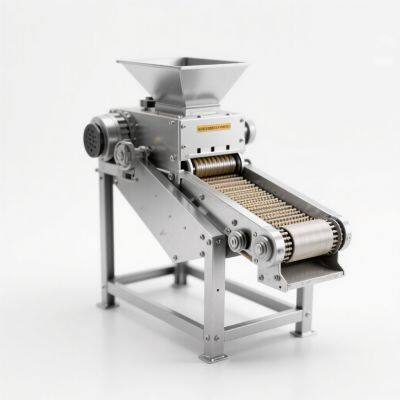
Grain Products Processing Machinery
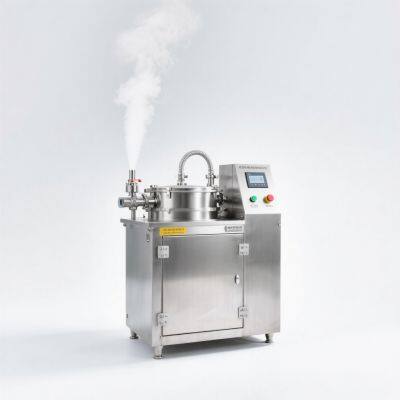
Food & Beverage Sterilizer
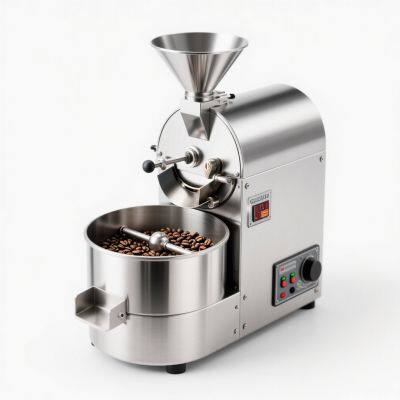
Coffee Bean Roaster
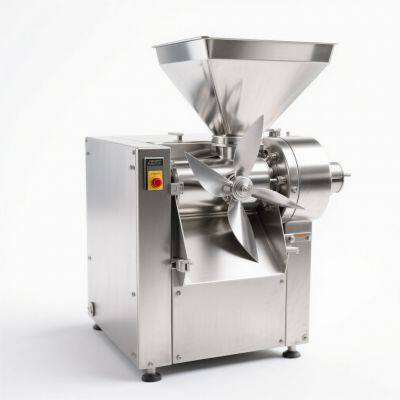
Seasoning Processing Machinery
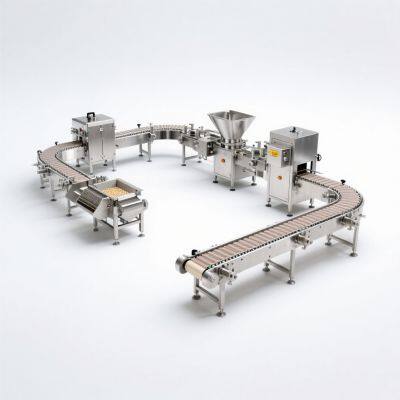
Food, Beverage & Cereal Production Line
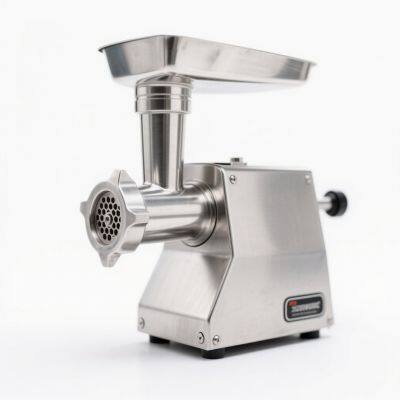
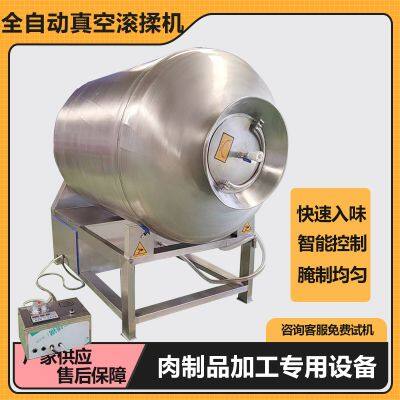
Meat Processing Machinery
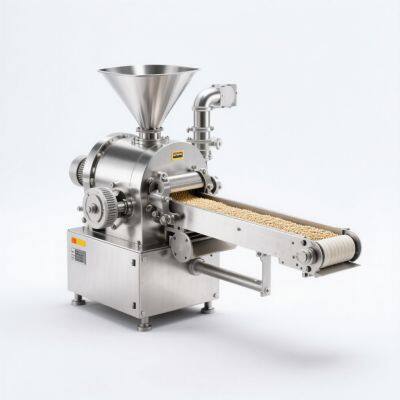
Grain Processing Machinery
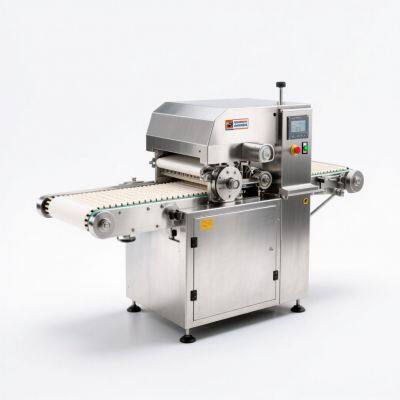
Other Machinery for Food, Beverage & Cereal

Featured verified suppliers in Machinery for Food, Beverage & Cereal
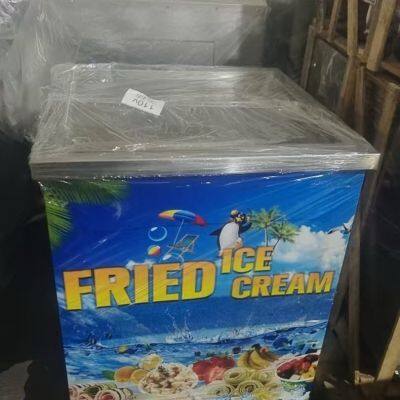
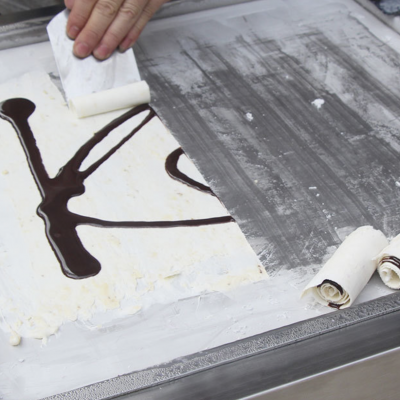
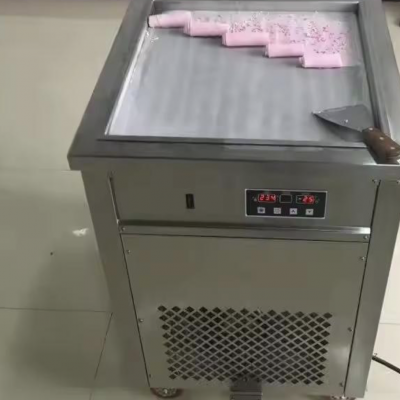
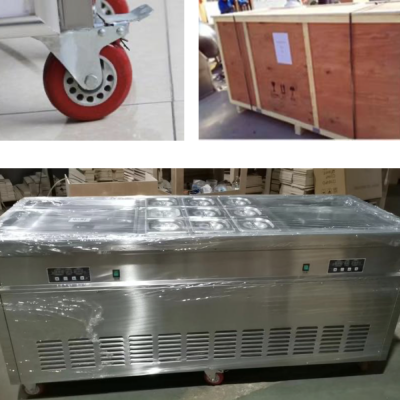
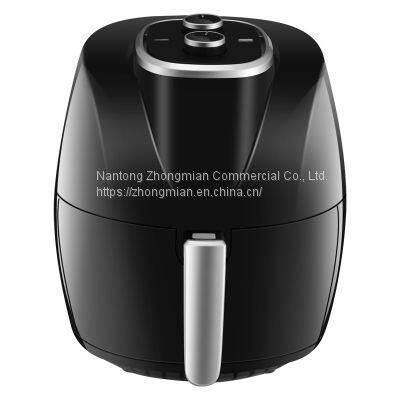
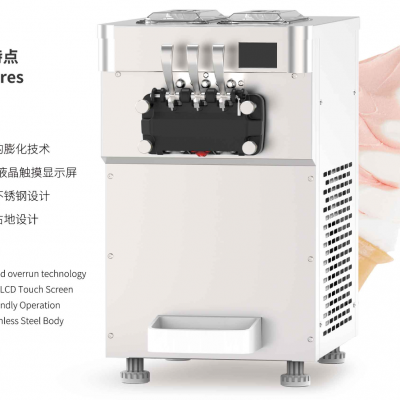
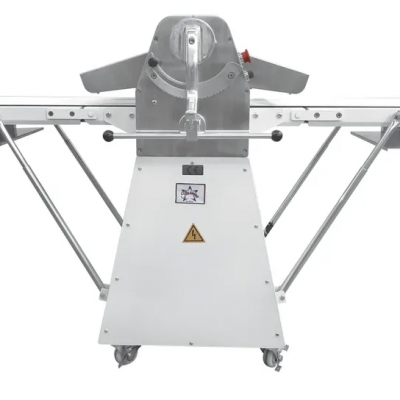
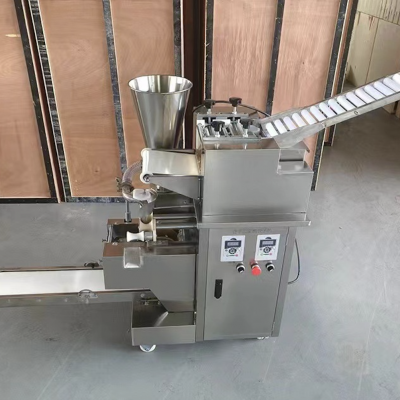
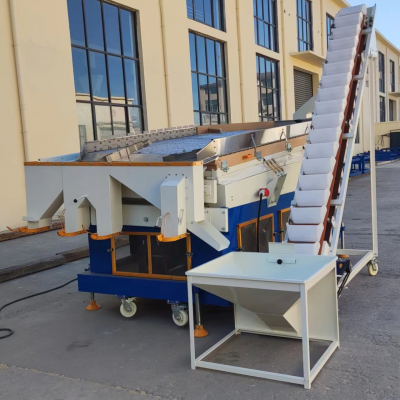
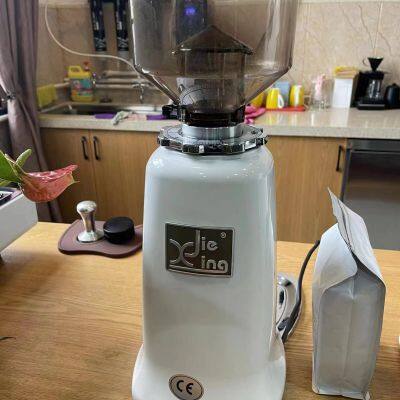
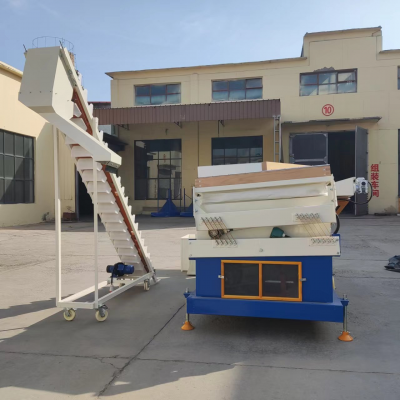
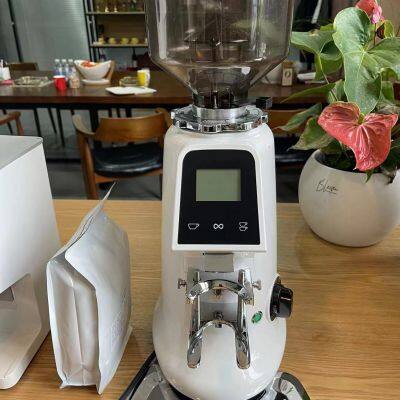
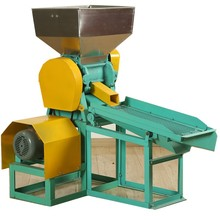
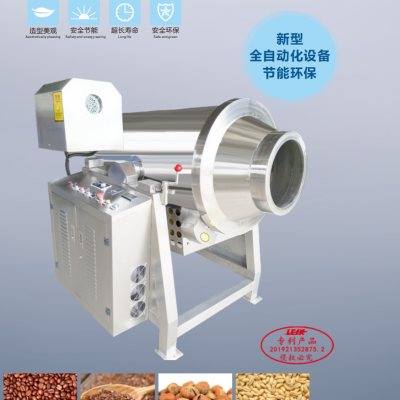
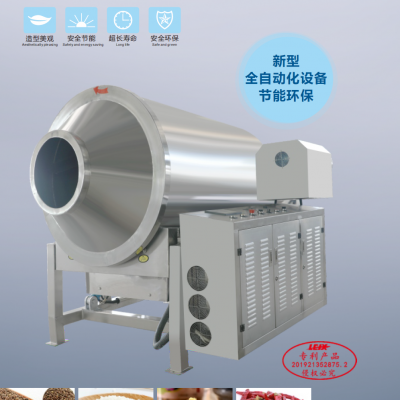
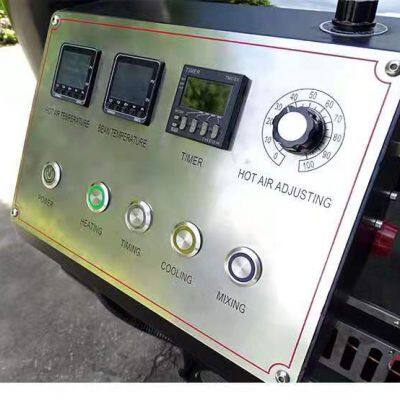
Top-selling and featured products in Machinery for Food, Beverage & Cereal


Essential tips for successful procurement

Find Products Efficiently

Verify Supplier Credentials

Key developments and opportunities about Machinery for Food, Beverage & Cereal
Applications
Industry Trends
Sustainability & Compliance
Buying Guide

Common Sourcing Questions in Machinery for Food, Beverage & Cereal
What certifications are essential for pet food processing machinery to ensure safety and compliance?
Can snack machinery be customized for specific products like chips or extruded snacks, and what is the typical MOQ?
How do suppliers handle sampling for fruit and vegetable processing machinery to verify performance?
What packaging methods are used for cooking and baking equipment to prevent damage during international shipping?
What key factors should be considered when integrating grain products processing machinery into an existing production line?
Which international certifications are critical for food and beverage sterilizers to guarantee efficacy?
What are the lead times and shipping options for meat processing machinery orders?
Explore more categories

Official WeChat Account
Follow Us for Updates


 Contact Platform Support
 Help Center