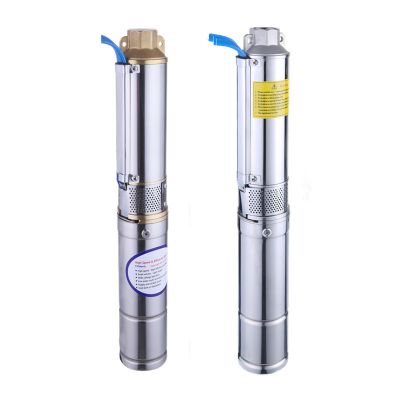
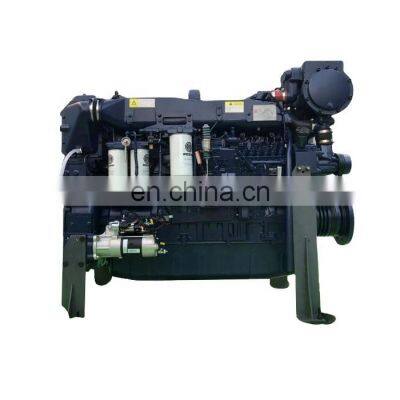
Water Pump Insights & Buyer's Guide
Water pumps form an integral part of many water systems and applications, facilitating the movement, transfer, or setting of water levels. These devices ensure sufficient water pressure and proper water distribution in settings ranging from smaller, domestic setups all the way up to large-scale industrial ones. The increasing need for efficient water management implies that one must be aware of the working principles, types, and applications of water pumps. This guide will cover the vital aspects of electric water pumps, their working mechanisms, and the scenarios in which they are used.
Understanding Water Pumps
What is a Water Pump?
A water pump constitutes a mechanical device capable of transferring water from one location to another. In residential water systems and industrial applications alike, this device plays its role in the transfer of water from wells, ponds, and storage tanks. Pumps can perform various functions with a decent degree of efficiency-granting water pressure, delivering water to irrigation, etc. Very much a utility pump to intervene in emergencies, deep well water pumps go about filling the role of the continuous flow and supply of water.
How Water Pumps Work
Water pumps create a pressure differential that allows a flow of water from low-pressure areas into areas of higher pressure. This is achieved through components such as impellers that push the water through the system and valves that regulate the rate of flow. In electrically operated water pumps, the electrical components power the motor that drives the pumping operation. Factors including gpm (gallons per minute), psi (pounds per square inch), and the ability of the pump to accommodate sediment and impurities help determine the greatest effectiveness of a pump under established conditions. With this understanding, choosing the right pump for your unique needs becomes easier, along with understanding how to maintain optimal performance from the pump over time.
Applications of Water Pumps
Residential Water Systems
In residential settings, water pumps are the core elements of smoother household water systems. Maintaining prescribed pressure within the water system, these pumps, coupled with pressure tanks and pressure switches, assist in controlling measures of flow or to avoid pressure drops. Accordingly, whether drawing from a shallow well or just a simple boost to the city water supply, residential pumps are called upon to meet the varying demands of home use. Some pumps discharge water directly into a house; these under-the-pump-class utility pumps ensure water flow within a short pipe from a shallow well. Submersible pumps are used for deep wells, as are booster pumps for increasing pressure in upper floors. Most importantly, sump pumps remove water from basement areas, preventing flooding in cases of heavy rains or even minor leaks.
Commercial and Industrial Uses
In commercial and industrial environments, water pumps are essential to many applications, ranging from irrigation systems to specialized manufacturing. The pumps, therefore, provide the rates and pressure necessary to move water efficiently through large plants. Industrial pumps are constructed with tough materials, often thermoplastic, to stand up against rough conditions and continuous operation. Transfer pumps are mostly used for the huge quantity of water transfer from one storage tank to another or from a source to an actual location. Ensuring that the water is on demand and maintaining a certain pressure make these pumps vital for industrial efficiency and meeting tough industrial standards.
Specific Applications: Utility and Transfer Pumps
Utility and transfer pumps apply to various situations, working as versatile water-moving solutions for specific purposes. Utility pumps find emergency use in pumping water out of flooded areas, while transfer pumps carry out draining pools or moving water from a pond to an irrigation system. Most of these have a self-priming feature, meaning that pumping could start without raising it above the water level to prime. With the ability to work with various water sources and measure a good number of gallons per minute (gpm), they have proved to be perfect for temporary and permanent installations. Being equipped with adapters and hoses ensures that these pumps operate seamlessly and adapt well to many settings.
Components of a Water Pump System
Measuring the Pressure Tank
The pressure tank is the reservoir that maintains a constant water pressure in the water pump system, applied as a buffer. Together with the pump, it stores water under pressure to provide an ample water supply during peak demand. The pressure tank lessens frequent cycling of the pump, lengthening the operational life of the pump and increasing efficiency. The pressure tank consists of a diaphragm or bladder that absorbs sudden pressure changes, further reducing wear and tear on the pump and avoiding pressure drops within the water system.
Pump Accessories
Pump accessories optimize the performance and efficiency of water pump systems, with hoses, valves, and adapters for connecting components so water can be efficiently carried and controlled in its flow. Pressure switches and gauges help in monitoring and regulating water pressure, with check valves stopping backflow that otherwise will cause damage to the pump, while filters keep sediment and debris from entering the system to protect the pump and ensure the longevity of the entire setup.
Uses of Filters in Water Pumps
Filters play one of the key roles in water pumps, keeping contaminants such as sediment and debris from hindering the strength of the pump. By filtering impurities before the pump receives them, filters protect the impeller and other parts of the pump from wear and tear. This greatly increases the life of the system and guarantees the clean water delivery, which is a major concern when dealing with drinking and irrigation water. Therefore, filters must be serviced and replaced regularly for them to perform at an optimum flow rate; otherwise, they may become blocked and cause expensive repairs or result in downtime of the pump system.
Choosing the Right Water Pump
Factors to Consider: Size and Capacity
Choosing the appropriate water pump involves considering its size or capacity to meet the needs of the system. The pump's capacity is rated in gallons per minute (gpm), which implies that the pump capacity should be rated for peak water demands, and if the pump is oversized, it can never run efficiently. The size of the pump must also adapt to the free space available and the pipe diameter used in the installation. Other factors important in choosing a pump include knowing the psi requirement for the pump to deliver the water at the required pressure in residential or commercial installations.
Cost-Effective Options for Every Home
A variety of water pump solutions are available nowadays to ensure the variety of any home, providing reliability and durability in all situations. Electric water pumps remain widely advisable for domestic use because of their efficiency and ease of installation. These pumps maintain a consistent pressure in the water supply for everyday household use and are also energy-efficient and cost-effective. Thus, submersible pumps for deep wells and jet pumps for shallow wells give the right mix between affordability and functionality, such that homeowners need not sacrifice being on a constant water supply because of heavy expenses.
Electric Water Pumps Vs. Others
Electric water pumps are very favorable because of their efficiency and ease of operation; still, one will have to see how they compare with other types in order to make an informed decision. Other than the electric pump, which would be suitable for most residential and commercial settings because it is reliable and low in operating cost, one might often find situations where the solar-powered pump or the gas-powered pump might just come in handy in remote locations or during blackout events. Every pump will have its good points; therefore, environmental aspects, maintenance, and operation costs come into play in deciding the type of pump best suited for your needs.
Maintenance and Troubleshooting
Regular Maintenance
Keeping your water pump in good shape through routine maintenance is a sure way to ensure its full functioning and long life. Checking the pressure tank for possible pressure drops, inspecting the electrical wiring of the pump for any wear and tear, sanitized cleaning of the pump's filter to avoid the buildup of sediments that obstruct water flow. Other things that ought to be checked for maintenance include hoses and valves for leaks, and the impeller for any debris, so that the pump can continue to discharge water at high pressure. Maintenance activities prolong the life of the pumps and reduce the cost of repair.
Common Problems and Their Solutions
Some common problems that may affect a water pump include low flow, noise, and irregular pressure. They are usually caused by a blocked filter, leaking hoses, or a malfunctioning pressure switch. To keep it running, filters should be cleaned or replaced regularly, connections should be checked for leaks, and pressure switches should be tested for proper operation. If the pump refuses to start, check the electrical components and ensure the circuit has not been tripped. Doing this troubleshooting regularly will keep your pumps working with efficiency and reliability.
When to Replace Your Water Pump
Recognizing replacement-worthy situations for a water pump is essential in maintaining an efficient water system. These include pressure dropping too often, leaks persisting, and an excessive amount of noise while operating. If the water pump can no longer move water efficiently, even with regular maintenance, it can mean that a worn impeller or other internal components might be at fault. In such instances, replacement of the pump is necessary to ensure a constant water supply and avoid damage to water tanks and piping systems. Regular assessment helps in decision-making for replacement.
Frequently Asked Questions (FAQs)
How do submersible pumps efficiently move water from deep wells?
Submersible pumps are designed to operate underwater, making them ideal for deep well applications. They push water to the surface by utilizing a series of impellers, which create a high pressure that efficiently moves water through the system. These pumps provide a reliable solution for extracting drinking water from wells, especially in emergencies where other sources may be unavailable. The robust construction of submersible pumps also ensures a longer lifespan, even in harsh conditions. Additionally, they can be used for irrigation, contributing to lawn maintenance and landscaping. Overall, submersible pumps are a practical choice for deep well water extraction.
What are the advantages of using a submersible pump for indoor water systems?
Submersible pumps are highly efficient and reliable for indoor water systems due to their design and functionality. They are placed directly in a water storage tank, which allows them to operate quietly and without the need for additional suction lines. This makes them perfect for homes with limited space or where aesthetics are a concern. Moreover, submersible pumps can handle various water types, including those used for fountains or drainage. Their versatility extends to RVs, where they can provide water for multiple applications. In summary, submersible pumps are an excellent option for anyone looking to optimize their indoor water supply.
How can I choose the right well pump for my needs?
Selecting the right well pump involves understanding your specific requirements, such as the depth of your well and the water demand of your household. Well pumps come in various types, including submersible and pedestal pumps, each designed for different applications. For deep wells, submersible pumps are generally more efficient, while pedestal pumps are better suited for shallower installations. It's also important to consider the pump's flow control capabilities and its ability to push water to the desired height. Additionally, evaluating the lifespan and maintenance needs of the pump can help ensure you make a wise investment for your water needs.
What should I consider when setting up a water pump for shop water use?
When setting up a water pump for shop water use, it's crucial to assess the specific requirements of your shop, including the volume of water needed and the types of tasks being performed. Pumps designed for shop water use should be able to handle both indoor and outdoor applications, ensuring versatility. Additionally, consider the energy efficiency of the pump, especially if it will be in continuous operation. Many modern pumps can operate on 12V systems, making them suitable for mobile applications or RVs. It's also essential to have a good water storage tank in place to manage supply effectively and ensure consistent availability.
How do pumps provide efficient drainage in emergencies?
Pumps are designed to provide rapid and efficient drainage in emergencies, such as flooding or water outages. Submersible pumps, in particular, excel at quickly removing excess water from basements or low-lying areas. They work by creating suction, which allows them to pull water from below the surface and discharge it away from the affected area. Having a reliable drainage system is vital for preventing damage to property and ensuring safety during adverse conditions. It's also important to ensure that your pump is easily accessible and operational when needed, which can help mitigate the impact of sudden water influxes.









 Contact Platform Support
 Help Center
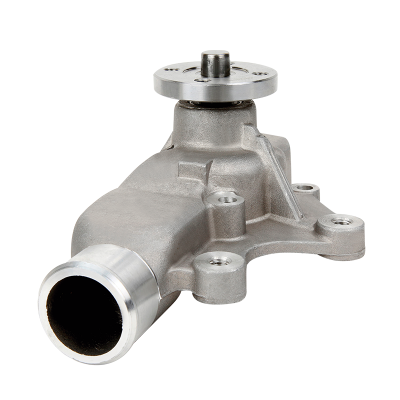 Water Pump For DODGE Parts No.4626054NegotiableMOQ: 100 PiecesModel Number: 4626054Type: ThermostatRuian Yaxin Imp & Exp Co.,Ltd
 1 Yr
1 Yr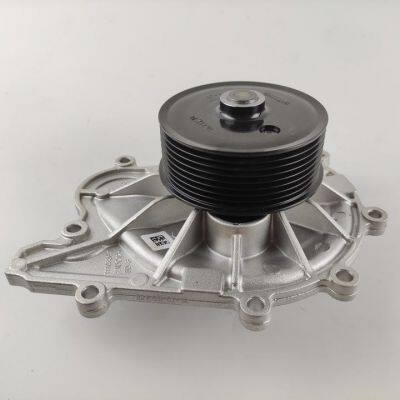 N14 Water Pump Assembly 5333148US$ 50.00 - 55.00MOQ: 1 PieceHunan Shanbuzhuanshuizhuan Power Technology Co.,Ltd
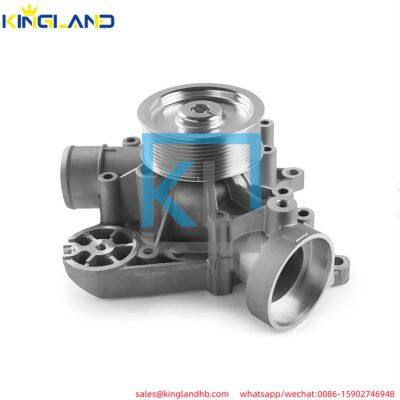 Diesel Engine Parts Water Pump 20834409 Fit For VolvoUS$ 62 - 65MOQ: 6 PiecesCertification: CE, ISO9001: 2000Type: Other, sleeveWarranty: 3-12 monthsApplication: ExcavatorHubei Kingland Industrial Co., Ltd.
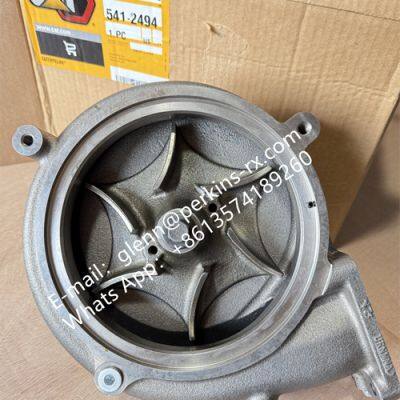 Caterpillar 3412 C32 Engine 5412494 Water Pump 541-2494NegotiableMOQ: 1 PieceMaterial: IronType: Other, water pumpCertification: CCC, COP, ISO9001, CE, E-MARK, ROHS, TS16949Technics: ForgingNingbo Qiuning Trading Co., Ltd
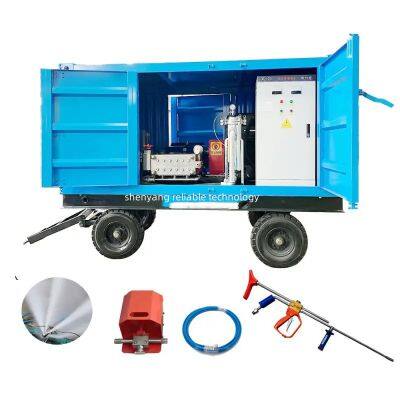 Ultra High Pressure Water Jet System Electric Motor Driven Cleaning Pumps Unit Water Pump Surface Cleaning MachineUS$ 11000.00MOQ: 1 SetCertification: CEmachine type: HIGH PRESSURE CLEANERcondition: Newplace of origin: shenyang, ChinaShenyang Reliable Technology Co., Ltd.
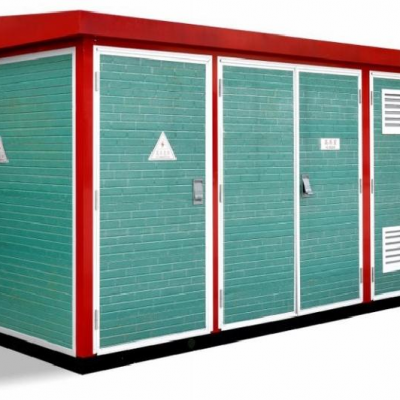 Electrical Cabinet for Water Pump Motor Control CabinetNegotiableMOQ: 1 SetType: Distribution BoxXiAn Wisdom Computer Info&tech Co., Ltd
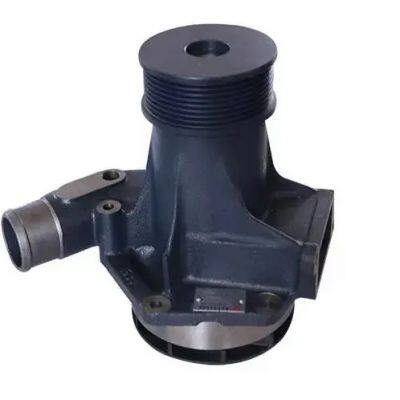 860121366 Water Pump Assembly for ZL50GN LW500FN Wheel Loader/chargerUS$ 80.00 - 90.00MOQ: 1 UnitWarranty: 6 MonthCondition: NewVideo outgoing-inspection: ProvidedJining Pinbo Import And Export Co.,ltd.
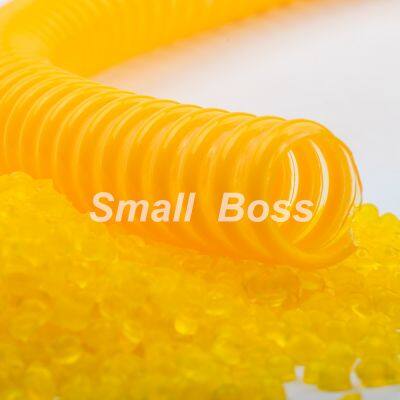 PVC Corrugated Pipe Water Pump Suction Hose Compound GranulesUS$ 0.85 - 1.00MOQ: 10 KilogramsPlace of Origin: Zhejiang, China, ChinaBrand Name: Small BossTongxiang Small Boss Special Plastic Products Co.,Ltd.
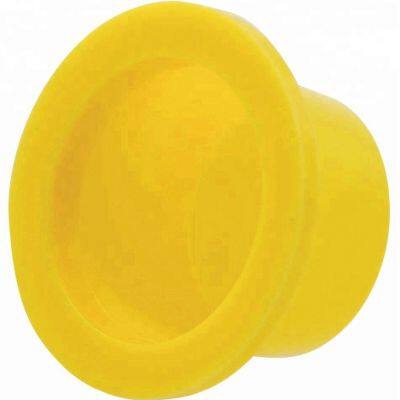 Plastic Water Pump Plug Pe Filter Hollow End PlugUS$ 0.04 - 0.20MOQ: 500 PiecesBrand Name: MOCAPPlace of Origin: Guangdong, ChinaModel Number: TWF.299/.365Plastic Modling Type: InjectionZhongshan MOCAP Industry Co.,LTD
 Daikin Air Conditioning High Static Pressure Water Pump Air Pipe Unit FJSP45MMVC FJSP56MMVC Drainage PumpUS$ 200 - 1000MOQ: 1 PieceBrand Name: DaikinPlace of Origin: ChinaModel Number: Daikin Air Conditioning High Static Pressure Water Pump Air Pipe Unit FJSP45MMVC FJSP56MMVC Drainage PumpCertification: ULDongguan Shun Chi Mechanical And Electrical Equipment Co. , Ltd.
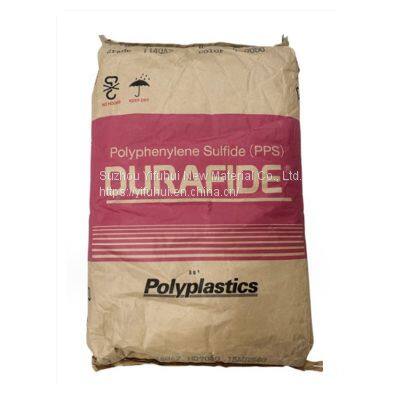 PPS Pellets Pps1140 Pps GF40 Polyphenylene Sulfide for Automotive Electronic Water Pump and Automotive ImpellersUS$ 6 - 7.6MOQ: 25 KilogramsBrand Name: DURAFIDEPlace of Origin: ChinaModel Number: 6165A4Suzhou Yifuhui New Material Co., Ltd.
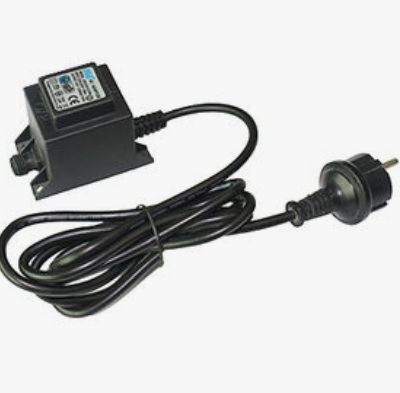 HOT Sale Water Pump Power Supply Transformer 60W AC Waterproof TransformatorUS$ 2 - 5MOQ: 50 PiecesBrand Name: AnenergePlace of Origin: ChinaModel Number: RCO-6612060-#1834Connection: DesktopShenzhen Anenerge Co., Limited
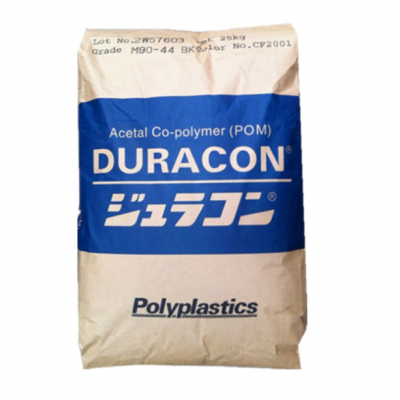 DURACON Japan POM NW-02LV Anti-creep; Fatigue Resistance; Low Friction Coefficient; Water Pump Parts; Camera Parts Pom Raw MaterialUS$ 1.5 - 1.8MOQ: 25 KilogramsBrand Name: Toyo PolystyrenePlace of Origin: JapanModel Number: NW-02LV CD3501Density: 1.41g/cmShanghai Liangrun International Trade Co., Ltd.
 SKF NSK Koyo INA NTN Bearing/Taper Roller Bearing/Roller Bearing/Rolling Bearing for Auto Parts Car Accessories Engine Parts Auto Spare Part Water Pump ValveNegotiableMOQ: 500 PiecesBrand Name: Imported bearingsBeijing SKF Bearing Trading Co., Ltd.
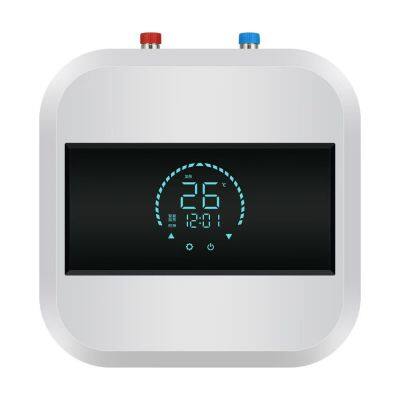 Home Using Different Capacity Electric Water Heater With Booster PumpNegotiableMOQ: 1 Forty-Foot ContainerCertification: CE, ISO9001, ROHSUsage: BathroomInterior Material: CopperHousing Material: PlasticNantong Zhongmian Commercial Co., Ltd.
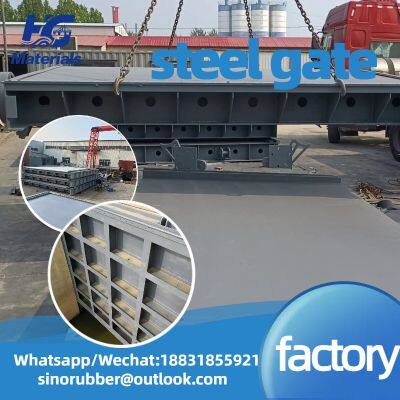 Steel Sluice Gates for River Channels, Reservoirs, and Pump Stations; Large Water-blocking Dams With Steel Gates; Physical Factory.US$ 100 - 3000MOQ: 10 CombosMaterial: SteelType: Right-angleApplication: Water Industrial UsageUsage: Drain, Flow ControlHengshui Haogu Engineering Materials Co., Ltd.
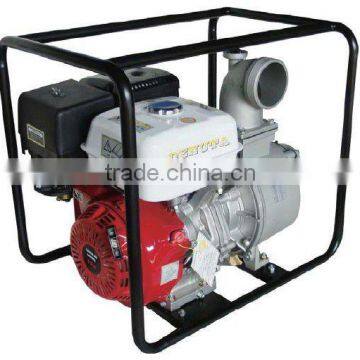 Water PumpUS$ 50 - 80MOQ: 100 PiecesPlace of Origin: Shanghai, ChinaBrand Name: CMKModel Number: DUW40Usage: Other, Angriculture machineShanghai Kamal Trading Co., Ltd.
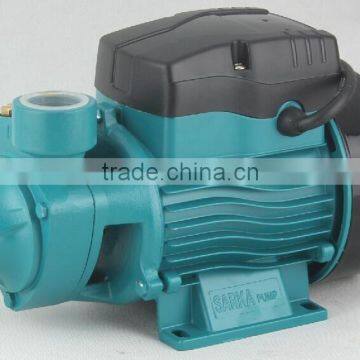 Water PumpNegotiableMOQ: 1 PieceBrand Name: DULOPHENModel Number: QB60Theory: Vortex PumpStructure: OtherTaizhou Sophia Import & Export Co., Ltd.
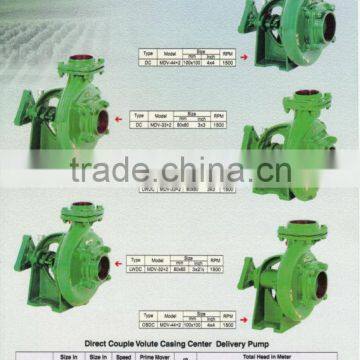 Water PumpUS$ 110 - 250MOQ: 120 PiecesPlace of Origin: Gujarat, IndiaBrand Name: mayaTheory: Centrifugal PumpStructure: Other, ROTORUnisoft Pheripherials
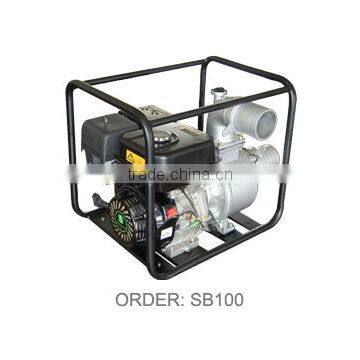 Water PumpUS$ 200 - 300MOQ: 10 SetsPlace of Origin: Shandong, ChinaBrand Name: FORONModel Number: SB100Material: MetalWeifang Zhaoyang Trade Co., Ltd.
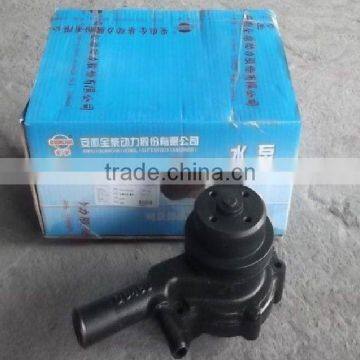 Water PumpNegotiableMOQ: 1 PieceType: Water PumpCar Make: JAC/YUEJIN/FOTON/JMC/KAMA/STYER/HOWO/DFAC/FAWPlace of Origin: Shandong, ChinaHangzhou Maoding Auto Parts Co., Ltd.
 Water PumpUS$ 6.25 - 8.1MOQ: 10 PiecesPlace of Origin: Zhejiang, ChinaBrand Name: MR-HL06Model Number: MR-HL06Theory: Electromagnetic PumpNingbo Mingrui Sensors Co., Ltd.
 Import Coordinator verified certifications for water pump motor2025-11-15 03:07:27
 Importer requested specs for Sell Water Pump Fitting2025-11-14 10:06:56
 Sourcing Manager placed an order for 110V ac water pump2025-11-12 20:48:53
 Procurement Lead requested specs for WB1630088 water pump bearings2025-11-12 17:39:15
 Sourcing Manager placed an order for Auto Toyota Water Pump8 hours ago
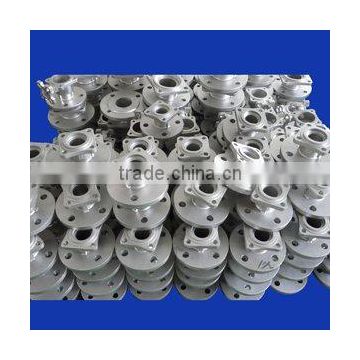 Water PumpUS$ 0.01 - 100MOQ: 1000 PiecesPlace of Origin: Shandong, ChinaBrand Name: TLLModel Number: DK58Theory: Vacuum PumpQingdao Tianluli Industrial Co., Ltd.
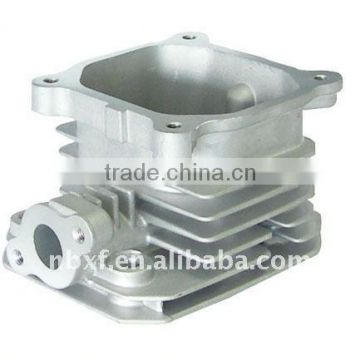 Water PumpUS$ 1 - 20MOQ: 200 PiecesCNC Machining or Not: CNC MachiningType: Broaching, Drilling, Etching / Chemical Machining, Laser Machining, Milling, Other Machining Services, Turning, Wire EDM, Rapid PrototypingMaterial Capabilities: Aluminum, Brass, Bronze, Copper, Hardened Metals, Precious Metals, Stainless Steel, Steel AlloysMicro Machining or Not: Micro MachiningNingbo Beilun Yinghui Industrial Parts Co., Ltd.
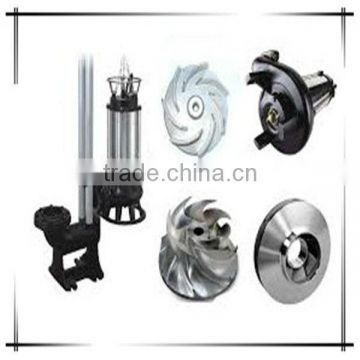 Auto Water Pump/ 5 5hp Gasoline Water Pump/ Water PumpUS$ 0.5 - 20MOQ: 200 PiecesPlace of Origin: Zhejiang, ChinaBrand Name: HIGERModel Number: HG-484Application: pump waterHangzhou Higer Metal Products Co., Ltd.
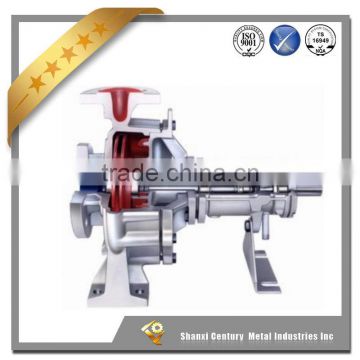 Cp130 Water Pump/gaz Water Pump/ritz Water PumpNegotiableMOQ: 100 PiecesPlace of Origin: Shanxi, ChinaBrand Name: CMIModel Number: nonstandardTheory: Mixed Flow PumpShanxi Century Metal Industries Inc.
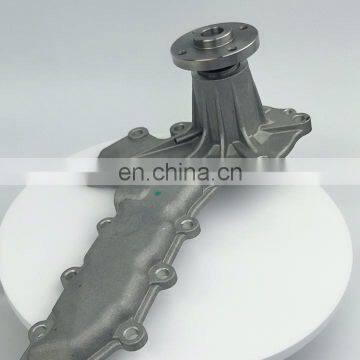 Kubota Engine Water Pump 6653941tractor Water PumpUS$ 10 - 16.9MOQ: 1Model Number: 6653941OE NO.: 6653941Car Make: StandardHangzhou Singo Mechanical & Electrical Co., Ltd.
 Water Pump / Water Pump for Engraving MachineUS$ 12 - 18MOQ: 1 SetPlace of Origin: Shandong, ChinaBrand Name: CaibrModel Number: 90W water pumpJinan Kaibo Machinery & Electronics Co., Ltd.
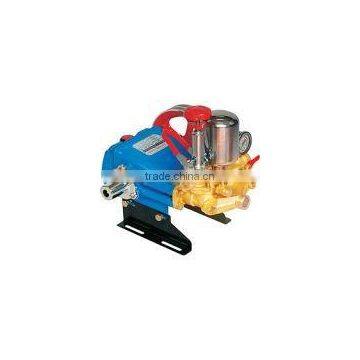 Plunger Pump Water PumpUS$ 50 - 100MOQ: 100 SetsType: plunger pumpUse: GardenCertification: ISO 9001 : 2008Place of Origin: Zhejiang, ChinaTaizhou Ruijiu Elec-Mech Co., Ltd.