Water Acrylic Insights & Buyer's Guide
Welcome to the colorful world of water acrylic – an exploration of artistry and the meeting of new frontier techniques! In this post, I will be talking about various aspects of water acrylic paints, a medium widely used by artists and even hobbyists. Regardless you are an experienced artist or a novice, wondering how water acrylic works might spark your interest. Its fast drying property and its blendability are just some of the features that make water acrylic among the most diverse places to work in as an art form. In this regard join us as we examine the following recommended practices, useful advice, and innovative concepts that will liberate and expand your artistic toolbox with this outstanding medium.
Understanding Water-Based Acrylic Paint
What is Water Acrylic Paint?
Characterized by the use of acrylic polymer emulsion as a binder, water acrylic paint refers to a form of paint that is water-based. It enables artists to dilute as well as clean their brushes with water, making it convenient for both novices and professional artists. Water acrylic paint is an alternative to oil paint, which requires the use of thinners and cleaners that are toxic to the environment and to human health. As they are easy to handle and with assorted acrylic colors, such paints appeal to those who want to learn how to paint with color. When it comes to painting on a canvas, mixed media of sorts, or working with model painting, water acrylic paints give the necessary freedom to all the plans in one go. Water acrylic paints are developed in ways that make them appealing and favorable for both amateurs and experts, and brands such as Liquitex and Arteza that deal with quality canvases ensure that this is achieved.
Advantages and Drawbacks of Painting with Water Acrylic
One of the most significant advantages of the water-based acrylic paint is that it dries very quickly and does not need to wait a long time to be dry before layering new colors. This is useful, especially in work involving many layers or designs that need to be done and transformed quickly. Being water-based, the paints can be easily reconstituted to some degree and can thus be used in an almost infinite range of colors for various activities. The acrylic paint can be applied on several surfaces – canvas, cloths, and wood, for example- due to its structure, different physical texture effects can be applied to the paint. Due to its Opaque quality and the Piktuga stroke characteristics, artists can apply it in interactions that require making effective use of color in art. On the other hand, artistically, water acrylic paint is found in other forms of consistency – heavy body and fluid, thus having various purposes. Finally, the medium’s sensibility towards ultraviolet rays endurance denotes that works of art produced with this paint guarantee their freshness for a long time.
Comparison with Other Paint Types
Acrylic paint, when compared to such paint types as oil and watercolor paints, has its own particular advantages that will be useful for various artists. The list of such advantages might include the following:
As they do not take time to dry like oil paints, and you can clean the brushes with water, acrylic paint is an easier, environmentally friendly alternative to oil-based paints.
Different from watercolor paint, you can achieve a more opaque look with the application of acrylic paint, and so old coats can be completely covered, which is mostly what is teased out after the solid color coat has been introduced at the base.
Further, as acrylic paints can be combined with different mediums like gel and paste in their compositions, the range of possibilities and the scope of creativity in terms of texture and effects is elongated.
These attributes of acrylic paint help broaden its scope to traditional as well as modern forms of art, thus making it more acceptable to artists of different genres and skill levels.
Applications of Acrylic Paint
Acrylic Paint in Art and Crafts
Water acrylic has consistently remained the most sought-after medium for both creative artistes and the adventurous do-it-yourself type. In order to keep to the confines of arts &crafts, many energies are channelled to acrylics to achieve colourful and realistic art pieces, complete with any desired texture onto any base. A painter has many chances to explore paintwork due to the fast-drying characteristics of this paint. Let’s look at the factors that make this type of paint a favourite:
The medium allows for use on different surfaces, including canvas, timber, or even textiles.
Application of various edicts like Blending, Layering, and Impasto is experienced without a struggle.
Mixing colors and blending them on a palette in order to obtain the needed nuance and water acrylic could be enjoyable for novices and advanced painters alike. Some of the brands, such as Liquitex and DecoArt Americana Acrylic, are affordable yet provide high-quality products for both artists and food crafters, containing different thicknesses from heavy body to water acrylics for creators to easily control the surface texture and outcome. Due to the availability of modern means of communication, especially YouTube, young artists can find many videos that contain instructions on acrylic painting and which are aimed to help them master their skills by introducing new methods.
Industrial Uses and Architectural Applications
Acrylic paint has useful applications in industry and architecture besides the world of arts and crafts. It is so easy to use on a variety of surfaces and projects that it fits almost any purpose. In the building and decorative materials segment, this type of paint is in demand because it is resistant to wear and does not require much effort when applying, as well as easily tolerates various climatic conditions. In constructed environments, architects and other professionals often use acrylic coatings since this has less adverse effects on the environment than other available options. Resistance to the ultraviolet rays of the lights is one of the benefits of this paint, which has made it popular in both decorating inside and outside buildings. Moreover, given its ability to dry fast and being noncancerous, acrylic paint could be employed in areas of high usage and where it would not be practical otherwise due to concerns about health and speed of work. Durable and attractive finish is one of the reasons the car industry has adopted these types of paints, in addition to the protective bearings they also supply. Beautiful colors and low upkeep associated with these paintings are some of the reasons why the consumption of acrylic paints is increasing in architectural and industrial markets.
Trends in DIY Projects with Acrylics
The contemporary do-it-yourself (DIY) culture has gained momentum, with a notable increase in the use of acrylic colors in a myriad of activities. The simple availability of the many varieties of acrylic craft paints currently encourages people to indulge their creativity in the comfort of their own homes. Some people love to win their hands at home decoration; others, upcycling furniture or trying how creatively the gift can be wrapped using acrylic paint, which, by the way, has many other uses apart from those mentioned here. The reason why acrylic is the best paint is simple because it has the capability of forming interesting textures as well as effects due to its thickness, hence suitable for such kinds of art projects that require creativity. There are tons of forums and networks where ideas and tips are voraciously exchanged, and as a result, many people-consuming such knowledge feel challenged into artistic creativity. Another reason for the popularity of acrylics is their comparatively cheap cost and the fact that there are many step-by-step instructional materials on how to work with such material, which means that even a ‘green’ painter or craftsman could easily get to work on such projects. Given the high demand for eco-friendly and customized products, this practice on the usage of DIY acrylic paint would presumptively not decline thanks to its growing popularity, as well as the popularity of home decoration and renovation amongst the masses.
Techniques for Applying Acrylic Paint
Brush Techniques for Beginners
For those just starting for the first time with the world of wet acrylic paints, brushing basic back and front is quite vital to facilitate unleashing the greatness within one’s. The most basic for this newcomer is to focus on practicing with many brushes to know how different brush shapes and sizes are applied to surfaces. They will usually include the flat ones, which are good for making thick strokes over larger areas of the canvas, and round brushes that allow for making more detailed and thinner strokes. Artists are also encouraged to try different forces as well as angles to see how soft watercolor washes all the way to thick, vivid strokes. One of them is learned how to paint in layers as in acrylics, the dominant intermolecular forces are polar and lower as the paint coats quickly dried out, hence multiple layers are possible without the color mixing. Such as these, starters may find help on the internet, where all the types of brushes are demonstrated step-wise in the form of YouTube videos. By following these practices, artists slowly develop their abilities, manage to combine colors on a palette in a proper way, and fearlessly brush them in happen they are trying to render the aspired color and texture of their art.
Using Acrylics on Different Surfaces: Canvas, Fabric, and More
Acrylic paint proves to be more than just paint on canvas; it opens up many other types. Clothing or textile art making is an interesting category in which some people use fabric and water acrylic paints to get a robust finish that's flexible despite not being washed out most times. The first thing a beginner should do is prepare the cloth properly. Painting adheres more smoothly and cracks less with a fine layer of fabric medium over it. It is also advisable to apply acrylic over wood, metal, or rock after having applied a primer or even a white paint, because this makes the colours stand out more, as well as prevents the problem of the paint not sticking onto the intended area you paint. One may even decide to paint on unconventional materials such as paper or cardboard, which are very useful for mixed media works that make use of mediums like gouache or ink. Every surface has its specific peculiarities and challenges, which necessitate the modification of techniques by the painters. These varied practical uses do not solely enhance the skills of an artist but also encourage other possible uses or extensions of meaning, including the creation of works that are distinctive to the artist or the client.
Creating Texture and Effects with Acrylics
When it comes to adding visual interest - especially texture to painting, it’s no wonder acrylic paints are loved by many artists who love to create paintings with enhanced features. A very common practice is the use of an impasto technique, in which thick body paint acrylic is heaped on the canvas surface, so that the paint can be shaped in a way that gives a 3D look. With emphasis on the brushstrokes, this is a technique that is apt even when resounding waves of an ocean or the ruggedness of a mountain have to be recreated. The extraction of sand, beads, or even modeling paste to paint is also something that most artists do to play around with texture. Artists who prefer even coats of paint using gloves, water in the liquefied acrylic paints, and a tray come in handy, such as when wanting to achieve water acrylic effects where the colors marbles pour in shapes that mimic the contours of biological patterns. Artists can play with shapes and shading of different colors by laying semi-transparent paints on top of bright opaque paints, which resembles watercolor. All these techniques, when pursued and grasped, enhance the look of the painting, making it have some kind of appeal that attracts the viewers because they can feel the painting too.
Frequently Asked Questions (FAQs)
What are the benefits of using acrylic paint for artwork?
While some forms of water-based pigments, such as oil, blend easily, others, like acrylic paint, relinquish countless advantages to a contemporary fan. A picture is seen over an acrylic dyed canvas with all its layers within minutes because of how fast it dries, unlike other types of paint. Much representation of strong, bright hues and looks availed to the naked eye is another advantage of acrylic paints since not all paint gives that flat appearance. More importantly, the acrylic medium allows painters to put paint on many more different structures than just a cloth, like a canvas; for example, you can paint on wood or on fabric, etc. Among other arts and crafts tools and materials, they also make great things to make crafts out of.
How do I learn to paint with water-based acrylics?
Beginners who are learning how to paint with water acrylic should first be able to comprehend the concept and afterwards master the skills. Begin by purchasing a good-quality kit that comprises the necessary acrylic colors, brushes, and palettes. Many online courses are available that guide learners on the proper use of acrylic paints. Pay attention to mastering skills such as blending and layering to bring depth to the picture. Take one step at a time and experiment with various additional colors and acrylic mediums, like Liquitex professional heavy body acrylic, and be more creative. Bear in mind that the more you practice, the better you get.
What is the difference between heavy body acrylic paint and soft body acrylic?
The body of thick acrylic is heavy, and it can form crusty ridges and enhance the appearance of brush strokes, making it suitable for impasto and expressive painting. On the other hand, soft acrylics have a lower viscosity and ease of working, hence allowing the artist to work with a dripping effect or accuracy. Both timeates can be used in any one project as they are water-based acrylic. Take their pros and cons into consideration when deciding which to use; dense acrylic is great for texturing bright colors, while thin paints work nicely for brush work and watercolor. In fact, they both play an important role in the same piece of art.
Can I use acrylic paint for fabric projects?
Yes, one may consider using acrylic paint on fabric; however, it is important to ensure that one uses the correct type of paint. You may use acrylic craft paints, especially when blended with a medium for the fabric, which assists in flexibility and durability. This allows better adherence of the paint onto the fabric and resists washing. When using acrylics on a fabric surface, apply a proper brush and or consider pre-washing the fabric so as to mask finishes that may cause adhesion. With the right skills, pretty and durable patterns can be drawn on t-shirts, bags, and other cloth materials.
How do I achieve a matte finish with acrylic paint?
There are two ways to do it. One is to buy a matte acrylic paint which doesn’t reflect well, or the other option is to add a matte medium to the paint. With this process, the reflection basically disappears. The paint is applied and needs to go through the drying process as well before the final result. If you want to maintain the matte in a finished art piece, some special spray varnishes intended for it can be used. It is an eye-friendly technique for all artists who use many shades and would rather avoid the water-based acrylic type of paint.









 Contact Platform Support
 Help Center
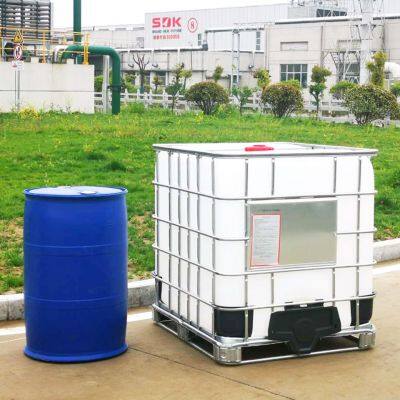 Water Based Acrylic Adhesive Acrylic Glue for Tape Protection FilmNegotiableMOQ: 100 KilogramsColor: WhiteApplication: PackingBonding Function: Pressure sensitive AdhesiveMorphology: Water-SolubleSu Qian Huanyu Plastic Products Co;Ltd
 1 Yr
1 Yr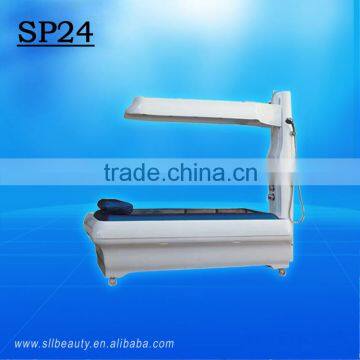 *2015*Customized Water Massage Bed(Acrylic/Wooden)US$ 1 - 3,000MOQ: 1 PieceCertification: CEPlace of Origin: Guangdong, ChinaBrand Name: SLLModel Number: SP24Guangzhou SLL Beauty Technology Limited
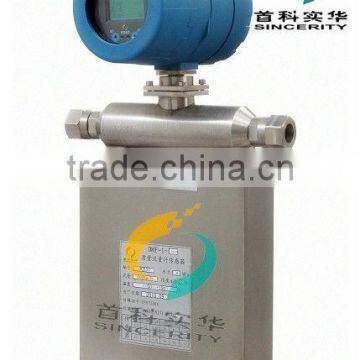 DMF-Series Mass Acrylic Water Flow MeterUS$ 200 - 5,000MOQ: 1 UnitPlace of Origin: Beijing, ChinaBrand Name: SincerityModel Number: DMF-SeriesBeijing Sincerity Automatic Equipment Co., Ltd.
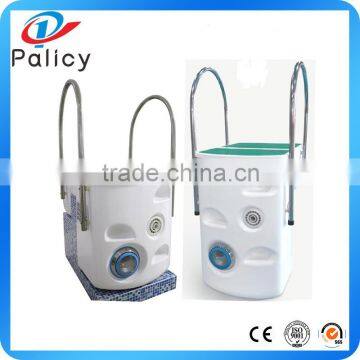 Acrylic Integrated Swimming Pool Small Water FilterUS$ 1748.20 - 1748.20MOQ: 1 SetPlace of Origin: Guangdong, ChinaBrand Name: PalicyModel Number: F-1005Guangzhou Palicy Trade Co., Ltd.
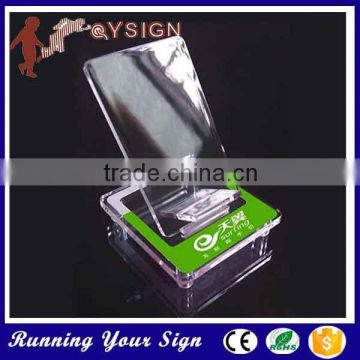 Widely Use Style Water Proof Outside AcrylicUS$ 2 - 10MOQ: 50 PiecesPlace of Origin: Fujian, ChinaBrand Name: QuanYi water proof outside acrylicModel Number: water proof outside acrylicFujian Quanyi Advertising Sign Co., Ltd.
 Acrylic Water Cooled Advertising Engraving Cnc Router MachineUS$ 4,000 - 4,900MOQ: 1 SetBrand Name: MingmeiPlace of Origin: Shandong, ChinaModel Number: MA1224Certification: CE ISO9001Sinon CNC Machine Co., Ltd.
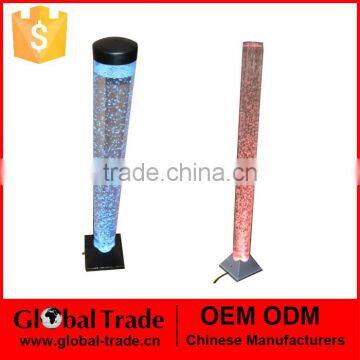 Color Changing LED Light Circular Acrylic Water Bubble Column 550173US$ 13.5 - 14MOQ: 400 PiecesOccasion: WeddingPlace of Origin: Guangdong, ChinaBrand Name: New BrandModel Number: Pipe And DrapeGlobal Trade (Chengdu) Ltd.
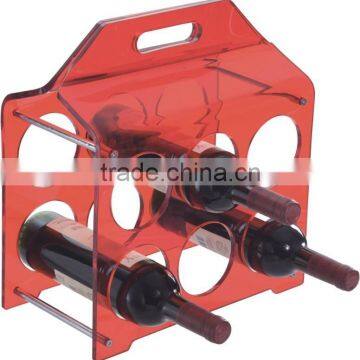 Acrylic Red Wine Holder/ Beverage Rack/ Water Container ShelfUS$ 200 - 200,000,000MOQ: 1 UnitPlace of Origin: Shanghai, ChinaBrand Name: CustomizedModel Number: CWA20140714018Material: Other, MDF/glass/acrylic/metalShanghai Changwei Display Service Co., Ltd.
 CE Proved RS485 4-20mA Output Acrylic Water FlowmeterUS$ 500 - 500MOQ: 1 SetPlace of Origin: Henan, ChinaBrand Name: QTLDModel Number: LUGBKaifeng Qingtianweiye Flow Instrument Co., Ltd.
 Beixing Meter Manufacturer Acrylic Tube Water Rotameter Flow MeterUS$ 1 - 80.6MOQ: 1 SetPlace of Origin: Liaoning, ChinaBrand Name: BeixingModel Number: LZGShenyang Beixing Meter Manufacture Co., Ltd.
 DDB-0051 Trade Assurance Shenzhen Factory Wholesale SGS Test Acrylic Save Water Sign With TapeUS$ 1 - 2.9MOQ: 500 PiecesPlace of Origin: Guangdong, ChinaBrand Name: DIDUOModel Number: DDB-0051Material: Other, Acrylic, Acrylic SheetShenzhen DIDUO Arts&Crafts Co., Ltd.
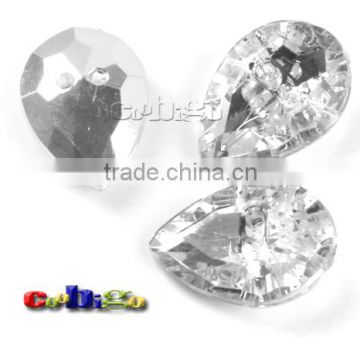 18*25mm Water Drop Shaped Acrylic Rhinestone&Crystal Button For Stylish Bags Garment Shoes #FLN013(06)US$ 0.0422 - 0.1919MOQ: 200 PerchesMaterial: AcrylButton Type: 2-Holes ButtonStyle: FlatbackTechnics: PearlGuangzhou Guangheng E-Commerce Co., Ltd.
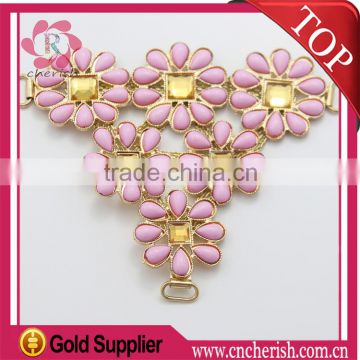 Guangzhou Fancy Design Rhinestones Handmade Sandal Water Drop Flower and Acrylic Shoe OrnamentUS$ 0.2 - 2MOQ: 300 PairsPlace of Origin: Guangdong, ChinaBrand Name: CHERISHModel Number: SC37Material: MetalGuangzhou Cherish Trade Co., Ltd.
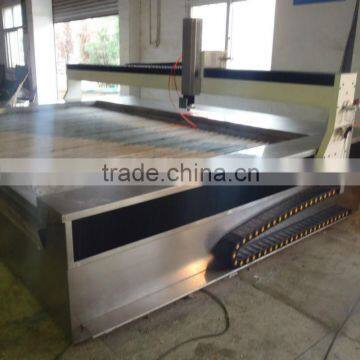 Water Jet Cutting Machinam for Stone, Steel , ss ,acrylic, 0-120mm ThicknessUS$ 5,000 - 32,700MOQ: 1 SetPlace of Origin: Hubei, ChinaBrand Name: JoyModel Number: 1325After-sales Service Provided: Overseas service center availableWuhan King Suntime CNC Equipment Co., Ltd.
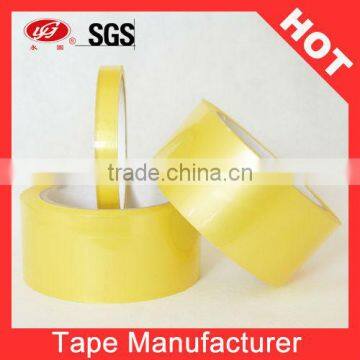 Water Acrylic Packaging Tape For CartonUS$ 0.1 - 5MOQ: 500 PiecesMaterial: BOPPUse: Carton SealingAdhesive Side: Single SidedAdhesive: AcrylicTongxiang Yong Gu Adhesive Products Factory
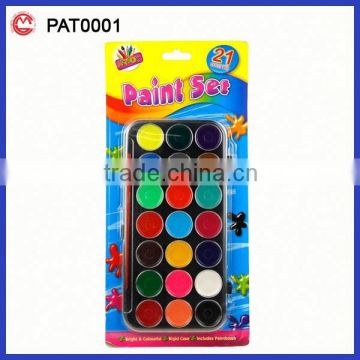 Artist Color Water Acrylic PaintUS$ 0.43 - 0.63MOQ: 5000 SetsPackaging: SetPainting Medium: PaperBrand Name: paintModel Number: PAT0001Shanghai CMB Import And Export Co., Ltd.
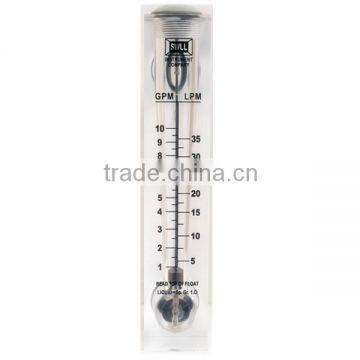 Panel Rotameter for Water Acrylic FlowmeterUS$ 9 - 11MOQ: 50 PiecesPlace of Origin: Shandong, ChinaBrand Name: SWLLModel Number: LZT-10GPMShandong Yuncheng Shengwang Water Treatment Equipment Co., Ltd.
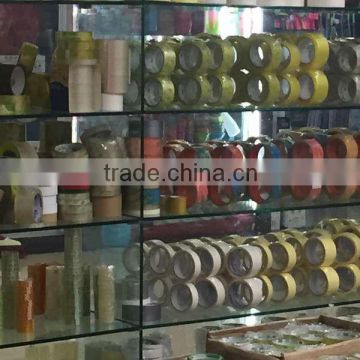 Popular Jumbo Roll Water Acrylic Adhesive TapeUS$ 0.46 - 1.54MOQ: 500 PiecesMaterial: BOPPUse: Carton SealingAdhesive Side: Single SidedAdhesive: SiliconeYiwu Su Ye Trade Co., Ltd.
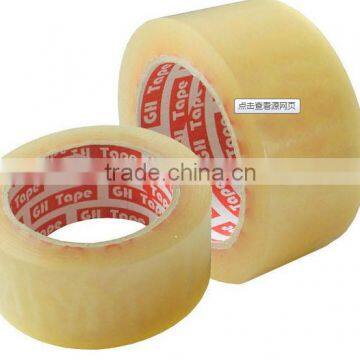 Best Quality Water Acrylic BOPP Packaging TapeUS$ 0.06 - 0.08MOQ: 3600 RollsMaterial: BOPPUse: Carton SealingAdhesive Side: Single SidedAdhesive: AcrylicXiongxian Liya Packing Material Co., Ltd.
 Water Acrylic Double Sided Tissue Tape - DS9NegotiableMOQ: 1 KilogramBrand Name: CrownPlace of Origin: ChinaModel Number: DS9Zhongshan Crown Adhesive Products Co., Ltd.
 Water Acrylic Based Warning Foil TapeUS$ 0.2 - 3MOQ: 200 CartonsMaterial: PVCUse: WarningAdhesive Side: Single SidedAdhesive: AcrylicJiangmen Newera Packing Material Co., Ltd.
 Oil-Water Acrylic 5pcs Bathroom Set AccessoriesUS$ 0.4 - 5MOQ: 2000 SetsMaterial: PlasticFeature: Eco-FriendlyPlace of Origin: Zhejiang, ChinaBrand Name: OEMZhejiang Hongnai Trading Co., Ltd.
 LZM-6T Panel Water Acrylic FlowmeterUS$ 15 - 20MOQ: 10 PiecesPlace of Origin: Zhejiang, ChinaBrand Name: ZYIAModel Number: LZM-6TYuyao Kingtai Instrument Co., Ltd.
 Water Acrylic Base Glitter Tape for DecorationUS$ 0.65 - 1.2MOQ: 10000 PiecesMaterial: PolyesterUse: MaskingAdhesive Side: Single SidedAdhesive: RubberShanghai Huipu Adhesive Technology Co., Ltd.
 Whirlpool Best Water Acrylic Massage BathtubNegotiableMOQ: 1 PiecePlace of Origin: Guangdong, ChinaBrand Name: GuciModel Number: OS-1138Material: AcrylicFoshan Guci Industry Co., Ltd.
 Sourcing Manager verified certifications for acrylic tank for sea water2025-11-12 22:53:58
 Buyer placed an order for Water-based Acrylic Adhesive7 hours ago
 Purchasing Director placed an order for Solid Water Based Acrylic Resin , similar Joncry® HP0696,Hanwha products2025-11-14 10:44:49
 Business Owner verified certifications for Acrylic 251ML water Glass2025-11-15 20:07:27
 Sourcing Manager requested a quote for China water acrylic transparent bopp jumbo roll tape for wholesale9 hours ago
 Sourcing Agent inquired about acrylic water glasses2025-11-14 20:31:46
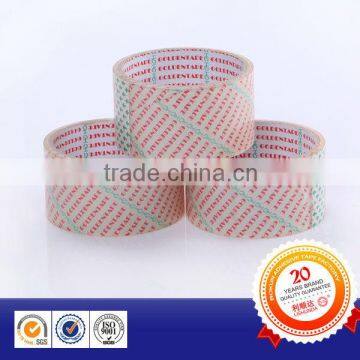 Water Acrylic Glue Packing Tape ManufacturersUS$ 0.1 - 1MOQ: 200 CartonsAdhesive Tape Type: Single-Side TapeBrand Name: lishundaModel Number: BK-16Place of Origin: Zhejiang, ChinaYiwu Bokun Adhesive Tape Co., Ltd.
 Clear Water Acrylic Block With Printed Paper InsideUS$ 4.6 - 9.4MOQ: 100 PiecesPlace of Origin: Fujian, ChinaBrand Name: YCModel Number: AB206Material: AcrylicQuanzhou YC Store Fixture Co., Ltd.
 Water Acrylic Adhesive Reflective Tape Use in Cars ,roads,boats,stagesUS$ 10 - 100MOQ: 1 RollType: Other, reflective tapeUse: Body StickersMaterial: Other, PET/Acrylic typeSize: 0.34*0.34*0.45/0.23*0.23*0.45Guangdong New Vision Film Co., Ltd.
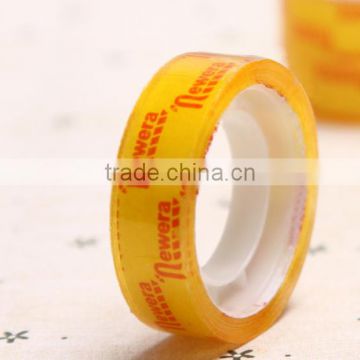 Yellow Color Water Acrylic Adhesive BOPP Stationery Packing TapeUS$ 0.01 - 1MOQ: 1000 RollsMaterial: BOPPUse: Carton SealingAdhesive Side: Single SidedAdhesive: AcrylicYiwu Qunkang Commodity Factory
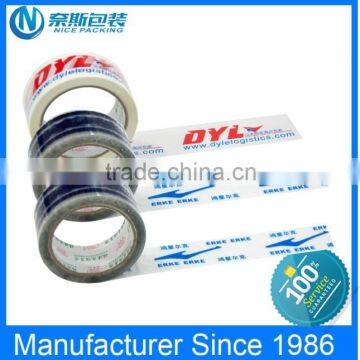 Water Acrylic Adhesive Packing Custom Logo Printed Tape With Company LogoUS$ 0.12 - 1.62MOQ: 800 CartonsMaterial: BOPPUse: Carton SealingAdhesive Side: Single SidedAdhesive: AcrylicNanning Nice Packing Co., Ltd.
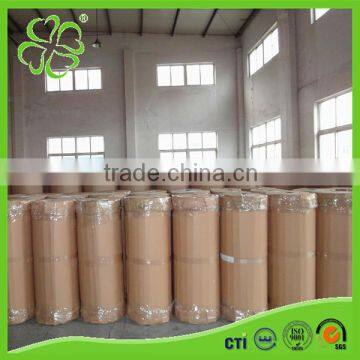 Water Acrylic Transparent Packing Tape Bopp Coated Jumbo RollUS$ 150 - 500MOQ: 10 RollsMaterial: BOPPUse: Carton SealingAdhesive Side: Single SidedAdhesive: AcrylicShanghai Lucky Hi-Tech Material International Trade Co., Ltd.
 Best Quality Water Acrylic Bopp Adhesive Kraft TapeUS$ 0.3 - 3MOQ: 100 CartonsMaterial: Kraft PaperUse: Carton SealingAdhesive Side: Single SidedAdhesive: AcrylicShenzhen An Bi Chang Packaging Material Co., Ltd.