Wall Coating Insights & Buyer's Guide
There are different types of coatings used for walls that are appropriate for different purposes, both in homes and in commercial settings. These types serve the purposes of beauty, protection, and longevity. On the market, there are different types of wall coating systems or products; it is hard to pick out the right ones for oneself. The purpose of this able guide is to help in the decision-making process by understanding various types of wall coatings, where they are used, and their advantages. In this next article, whether you want to make your walls more beautiful, preserve them due to the adverse effects of abrasion,s or make them more functional, an added value will be realized in the annals of this blog. And now, come along to the field of wall coating solutions, as you will understand which one offers better elegance and protection.
Understanding Wall Coating
What is Wall Coating?
Wall Coating is a term used in today’s world to describe the additional protective as well as aesthetic application to both interior and exterior walls of a building. This, in most cases, consists of different substances- such as acrylic, elastomeric, or polyurethane substances. These substances have evolved to serve dual purposes, that is, improving the aesthetics of any given building as well as protecting it from degradation from the surrounding environment. There are numerous types and grades of Wall Coatings that are designed to satisfy other requirements like Waterproofing, Heightened Adhesion, or ultraviolet protection. These are different in a lot of ways from the traditional wall paints in that they are more effective and longer-lasting. In the first place, it’s not a mere coating that makes surfaces look good; it is more than the surface can withstand, it avoids mold, stains, and weather effects. Owners can enhance their buildings and as a result, can extend the use of buildings in great ways by selecting the most suitable wall coating systems.
Types of Wall Coating Systems
Different Wall Coating systems are present in the market to offer many customized solutions. These have been specifically designed to meet geographic requirements at different stages of building construction. The characteristics of every sort of coating system are worth knowing. Only such information and understanding will help select the most suitable product for the job at hand. The following are the coatings in sight:
External coatings: These coatings are meant to resist adverse conditions without compromising on aesthetics. Some examples include elastomeric wall coating, which helps in creating hairline cracks as waterproof membranes.
Acrylic-based coatings: These are the preferred options because they do not easily degrade by the sun and they are bendable.
Polyurethane-based coatings: These coatings are more durable to the extent that they can protect the surface from any hard scratching and abrasions.
Interior features: Such as water-borne ice coating systems and latex paints are very much welcomed, for they emit very low amounts of VOCs and are quick to put up.
In the high efficiency wall coatings: These coatings include the high thickness coatings, which are suitable for the masonry walls and the rooftops, as they enhance the coverage and the protection of the walls.
Whether the wall in question commands a fresh structure or an old one that had already been painted, it is important to identify an appropriate kind of paint for the surface.
Benefits of Using Wall Coatings
Wall Coating is beneficial in so many ways, other than that which is embellishment. The primary one being the fact that it is a more durable option. The high-quality wall coatings come with functional advantages of withstanding the adverse conditions and wear and tear for quite a long period. The coatings that are used on external walls provide water repellent properties, which means they prevent the process of water absorption into the surfaces, followed by damage. Elastomeric, in particular, helps to create a waterproof wall by filling cracks or gaps. Coating materials, as well, promote adhesion, ensuring the binding strength on the surface, which is very important for the coat to last long. That is in addition to another great benefit of controlling the internal conditions of the building, since some types of coatings will reflect the UV rays and the heat will not get into the building. That is not just to make it comfortable, but it can also be used to make energy savings. Also, some coatings that do not allow mildew to grow or stains to appear are available in the market, which helps keep rooms clean and fresh for a long time, hence reducing the maintenance and repair costs.
Exterior Wall Coating
Importance of Exterior Wall Coating
Wall Coating is extremely important for the maintenance as well as improvement of any structure for practical reasons as well as for beauty. External wall coatings serve the purpose of shielding the outer parts of the building from the elements of the weather, such as heavy rains, direct sunshine, or excess heat. These wall coatings, through surface application, put off entry of water, thus preventing a possibility of fungi, molds or even jacking of structures after some time. Apart from protecting the structure, exterior wall coatings also play the important role of decorating the structure by a wide range of choices in texture and color that fit the design of the wall. A good coating system not only improves its aesthetics but also raises the market value of the house as well as enhances its lifespan. In addition, advanced wall coatings that reflect the sun's rays ensure the interior of the building remains cool and may also help to optimize energy consumption, thus allowing for a decrease in the building’s operational costs. Therefore, the proper selection of an exterior wall coating is very important for the sustenance of a pleasant-looking and long-lasting structure.
Elastomeric Wall Coatings: Advantages and Applications
Advantages of Elastomeric Wall Coatings
Elastomeric wall coatings offer numerous benefits, making them a popular choice for both residential and commercial applications. One of their primary advantages is their exceptional flexibility, which allows them to expand and contract with the building surfaces as temperatures fluctuate, preventing cracks and maintaining a smooth finish over time. These coatings are also highly durable and provide excellent protection against harsh weather conditions, including heavy rainfall, extreme heat, and freezing temperatures. Additionally, elastomeric coatings are resistant to mildew and mold, making them ideal for areas with high humidity levels.
Another noteworthy benefit is their superior waterproofing capabilities. The thick and elastic nature of elastomeric coatings creates a seal that guards against water infiltration, thus reducing the risk of structural damage caused by moisture. This feature not only extends the lifespan of buildings but also lowers maintenance costs. Furthermore, many elastomeric wall coatings are designed to be energy-efficient, reflecting heat and helping to regulate indoor temperatures efficiently, leading to reduced energy consumption.
Applications of Elastomeric Wall Coatings
These types of elements and coatings allow surfaces with quite a few restrictions for any kind of surface, and each surface in particular, to be dressed. Stucco, concrete, masonry, wood finishes, and so on. As they can seamlessly cover small gaps, cracks, and damages, restoring old buildings with them is more than appropriate. Quite a few regions where there is unfavorable weather quite often prefer this type of coating. They can take advantage of it for long-span building structures more safely than before. Elastomeric wall coating can be used both internally and externally and is therefore suitable for what is commonly known as busy places, commercial or other buildings that require a good level of aesthetic value and strength. Therefore, elastomeric coatings are improving the lower parts of the walls of a building where there are some protective applications applied in a longer period of the building's useful life.
Choosing the Right Coating for Exterior Walls
Proper selection of Wall Coating for external walls must ensure the desired look as well as the desired quality of protection and durability. The approach to choosing a wall coating system for external walls should be determined by the needs of the consumer, such as the type of paintable material, climatic conditions, and end coating requirements. For example, not only the colors but also the surfaces of buildings can be colorfully designed and covered with glossy, shiny surfaces, such as walls in which acrylic coatings protect the building from UV rays. Also, when it comes to enhancing of wall coatings concerning silences against failure cracking, the usage of elastomeric types of wall coatings and in particular areas that are at risk of crack formation. Above all, transporting traffic or being in the traffic is undoubtedly heavy for surfaces and polyurethane provides solid wear resistance. Water-based and low VOC structures are also available for taking the eco-friendly route as they ensure brilliant results as well. Also during the process of the installation of material, whether the occupant can do it themselves or professional help is sought will depend on the choice of materials and methods used. That is, the external wall coating system that is adopted should be in accordance with the architecture of the building, the environmental conditions and the maintenance requirements so that it can p rovide protection and aesthetic appeal that will last.
Maintenance Tips for Wall Coatings
Routine Maintenance Practices
One of the main means of extending the 'lifespan' of coatings applied to the walls is the intensive use of preventive actions. It is always a best practice to undertake inspection of the interior and exterior walls on a regular basis so as to detect early any signs of weakening or harms caused. Examples of such things include hairline fractures on the surfaces and sometimes the surface coating begins to flake or does not stick as well anymore. For longer enhanced outlook and functionality of the coating, keeps the areas particularly along the edges clean from time to time to free them of dirt, mold and color changes. Any dirt, or (helical) streaks that may be on the external parts of the walls can be removed without spoiling the coatings, by simply employing detergents, particularly mild ones or soap with water. Moreover, ensuring that the water is actually drained away from the jaws and feet will result in less damage of the walls while they are not wetted. Also, for high-performance coatings meant for wall application, like elastomeric and polyurethane coatings, reusing the suitable top layer or films after some time ensures that the coating continues to have its intact water and weather-proof functions. Such maintenance works will certainly not prevent every coating system 'wear and tear' of a building's wall surface; however, they allow the suffering damage over the coating system to be surprisingly protective to the building's walls from a rational point of view.
Signs Your Wall Coating Needs Repair
It is imperative to know when it is time to repair a wall Coating to avoid damage to the wall. Manifestation of cracks due to damage of the coating, peeling and blistering would have compromised the waterproof layer that stops damp absorption. Such defects are most likely to appear on the external part of a wall exposed to extreme conditions such as sun rays and precipitation. When it starts to discolor or fade, the coating can be interpreted as ultraviolet light degradation or simply depigmentation and thus the aesthetic of the building may be ruined. Furthermore, when it comes to the surface of a wall, especially the brickwork, one can observe efflorescence which is a chalky residue and this suggests moisture penetration, meaning the wall coating failure has occurred. Once such indications are spotted, remedial action aimed at either repair or recoloring of those patches with elastomeric coatings or any other high-quality wall coatings should be done to remedy the situation. This way, they will not let the situation get worse, and the wall Coatings in use will not undergo premature failure.
Enhancing Durability of Wall Coatings
Taking measures to increase the useful lifetime of wall coatings is a product of a set of correct handling practices and maintenance of the coatings on a periodic basis. The coating system that is most effective for the intended purpose of the building must therefore be identified. Wall Coating. Typically, when one is working on exterior walls, they may use elastomeric wall coatings as these provide enhanced flexibility and bridging capabilities, making it suitable for areas with potential movement or weather change. However, the use of a good quality primer before installing the coating is also very effective as far as strong or firm adherent coatings or surfaces or films are concerned. When it comes to different kinds of surfaces, such as masonry or concrete, coatings that work especially for those surfaces should be used to enhance and extend the use of such surfaces. Regular inspection of the surfaces coated should be done to help prevent minor problems from becoming major. In addition, it is possible to apply new topcoats or sealants every few years in a bid to augment the water resistance and the UV performance of the coating so that the building is effectively shielded for long. Property Owners, by applying these techniques, can successfully convert longer wall coating service life over time to better productivity.
Frequently Asked Questions (FAQs)
What are the benefits of using wall coating products?
Wall Coating provides useful functions to improve both the appeal and the strength of the internal as well as external treatment of the finishes. It is available in a variety of applications, including on flat surfaces and on metallic materials, which makes it convenient for most workplaces. Water-based coatings usually account for a larger proportion of the wall coating market; therefore, they are eco-friendly and application on the surface is easy. Also, these coatings could include UV blocking science to fight against sun hazards and improve cool retention by offering better wall finishes as well. In General, these are decorative concepts with added value, uses of protection of wall surfaces over a longer time duration.
How do exterior wall coatings protect against environmental factors?
Enhancing the building's exterior decoration becomes possible with wall coating installation, a quick in-and-out process in two days, for interior dwellings. High-intensity wall coatings are applied to leak-control membranes that are waterproof while allowing vapor within the building to escape. This is particularly important in protecting walls that are situated in industrial and production areas that are often faced with grease and other dirt materials. Moreover, elastomeric coatings are also used in wall coatings since they form a solid coat that does not crack even with very thin fissures, thereby guaranteeing protection over time. In the end, such coatings enable extra-harsh exterior wall conditions to be achieved.
Can wall coatings be applied to previously painted surfaces?
Yes, wall coatings can be successfully applied to previously painted surfaces, provided the existing paint is in good condition. It’s essential to prepare the surface properly by cleaning and possibly sanding it to ensure optimal adhesion of the new coating. High-build formulations are available that can help conceal imperfections and create a smooth finish. When applying on previously painted surfaces, opting for a high-performance coating may enhance durability and resistance to dirt pick-up. Always check compatibility with the existing paint type to achieve the best results.
What types of coatings are suitable for exterior applications?
Exterior Wall Coating is mainly used for the purposes of its durability and endurance in harsh conditions. Acrylic elastomeric coatings are increasingly preferred for more decorative uses because they are elastic and have high ultraviolet resistance. Elastomeric wall coatings are suitable for walls that are likely to crack, especially those that are not very rigid. Apart from this, waterproofing coatings also act as a barrier to moisture from entering the construction elements. This is very necessary for external walls as well. Certain additives that increase energy savings have also been baked into several of the specifications in order to lower the air conditioning bill in hot areas. The significance of selecting an appropriate coating system is much higher due to the necessity of a long-lasting maintenance work.
How do coatings for concrete differ from those for masonry surfaces?
One of the biggest priorities with construction materials is protecting the structure underneath. Due to their porous nature, these materials (for example, concrete) are easily corroded and therefore require recoating from time to time after extensive wear and tear. Wall Coating has a slightly different purpose when it comes to masonry walls. It tends to be applied to prevent the wall from disintegrating through the use of breathable and waterproof coatings. Both of these coatings also have the option f assuming water base which is environmentally friendly and offers good protection as well. In choosing a coating, it is important to understand, over and above the surface, the conditions of its exploitation.









 Contact Platform Support
 Help Center
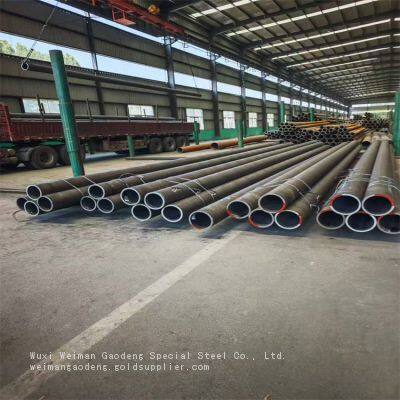 Thick Wall Seamless Pipe 30mm Thick Wall 9m Length Gray Coated Thick Wall PipeNegotiableMOQ: 1 TonType: SeamlessWarranty: a yearTechnique: Hot RolledSurface Treatment: BlackWuxi Weiman Gaodeng Special Steel Co., Ltd.
 1 Yr
1 Yr PVC-Coated /Galvanized Coated Gabion Basket for Retaining Wall Solutions and River ProtectionUS$ 1.99 - 2.50MOQ: 200 Square MetersBrand Name: LONGENHebei Longen Wire Mesh Products Co., Ltd.
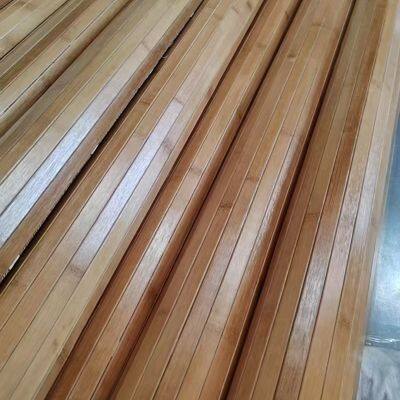 Natural Bamboo Roll With Carbonization Treatment, Painting Coat, Dull Finish for Construction Industry Wall DecorationNegotiableMOQ: 20 RollsFeature: DecorationUsage: Household, Entertainment, Commerce, AdministrationCustomized: CustomizedApplicable: WallsNantong Zhongmian Commercial Co., Ltd.
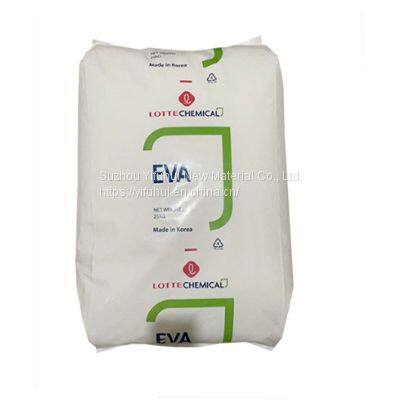 China Factory Dezny Brand Wall Putty Emulsion Coating Chemical Additive Ethylene Vinyl Acetate Copolymer RdpUS$ 1.6 - 2.1MOQ: 25 KilogramsBrand Name: LottePlace of Origin: ChinaModel Number: VA900Suzhou Yifuhui New Material Co., Ltd.
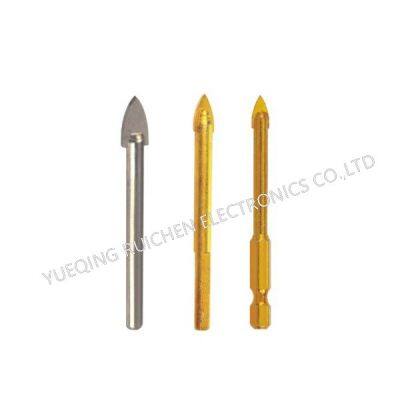 Glass Drill Bit Set Titanium Coated Spear Head for Tile Ceramic Glass Wall DrillingNegotiableMOQ: 100 PiecesPlace of Origin: ChinaType: Cold ChiselUse: WoodworkingYueqing Ruichen Electronic Co., LTD
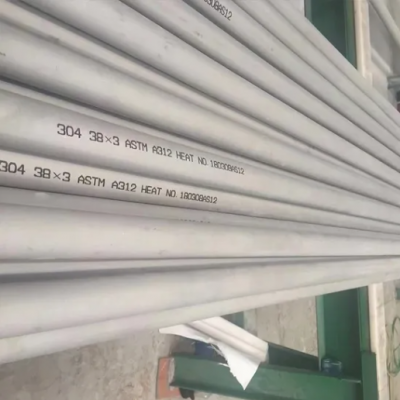 1/2"-8"1.5-8mm Wall Thickness Hot Dipped Galvanized Steel Pipe Zinc Coating 30-200g/Sm Gi TubeUS$ 800 - 1100MOQ: 1 TonType: SeamlessUsage: Pipeline Transport, Boiler Pipe, Oil/Gas Drilling, Machinery Industry, Chemical Industry, Mining, Special PurposeMaterial: OtherSection Shape: RoundZhongzheng Stainless Steel Co., Ltd.
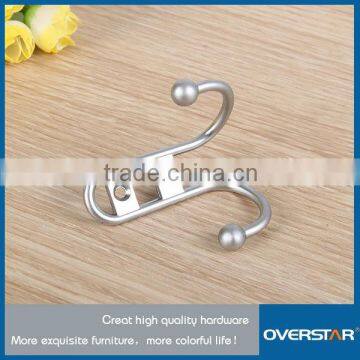 Wenzhou Metal Wall Coat HooksUS$ 0.15 - 0.3MOQ: 1000 PiecesPlace of Origin: Zhejiang, ChinaBrand Name: OVERSTARModel Number: KZ1007Wenzhou Overstar Furniture Hardware Manufacturer
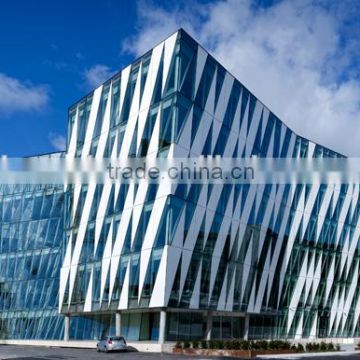 Modern Building Colored Exterior Wall CoatingsUS$ 1 - 100MOQ: 200 Square MetersPlace of Origin: Guangdong, ChinaBrand Name: HwarriorModel Number: curtain wallMaterial: AluminumHwarrior Curtain Wall Engineering (Guangzhou) Co., Ltd.
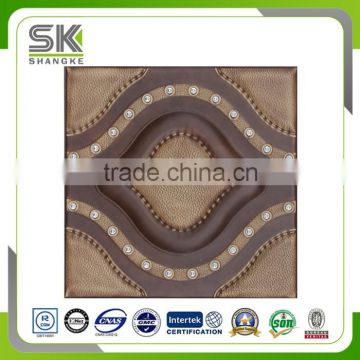 Modern Eco-friendly PU Leather Wall Coating For Interior DecorativeUS$ 3 - 6MOQ: 200 PiecesPlace of Origin: Zhejiang, ChinaBrand Name: JLYModel Number: Y4-016Haining Shamrock Import & Export Co., Ltd.
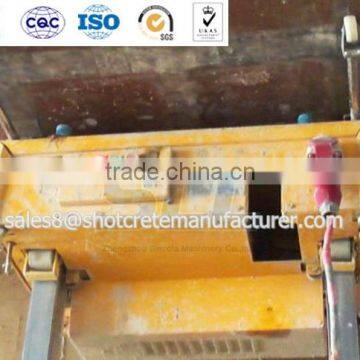 Hot Sale Automatic Rendering Machine Price External Wall CoatingsUS$ 4,890 - 7,096MOQ: 1 SetCondition: NewAutomatic Grade: AutomaticPower(W): 2.2KwRendering Thickness: 30 mmZhengzhou Sincola Machinery Co., Ltd.
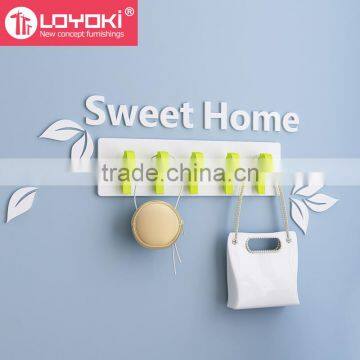 New Design Wooden DIY Coat Rack Eco-friendly Home Wall Decoration Home Entryway Wall Coat RackUS$ 4 - 15MOQ: 50 PiecesMaterial: WoodenAppearance: ModernFolded: NoSize: 55*8.5*1.8cmShanghai Gogoal Home Furnishings Co., Ltd.
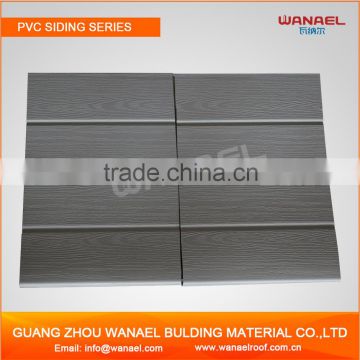 Wall Siding Board Vinyl Coated Wall BoardUS$ 10 - 20MOQ: 10 MillimetersPlace of Origin: Guangdong, ChinaBrand Name: WANAELModel Number: PVC Vinyl Wall SidingGuangzhou Wanael Building Material Co., Ltd.
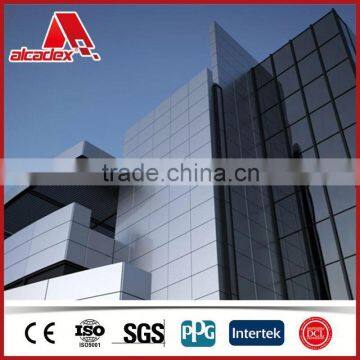 Polyester Coating Aluminium Panel WallUS$ 5.9 - 16.1MOQ: 900 Square MetersPlace of Origin: Guangdong, ChinaFoshan Vanco Building Materials Co., Limited
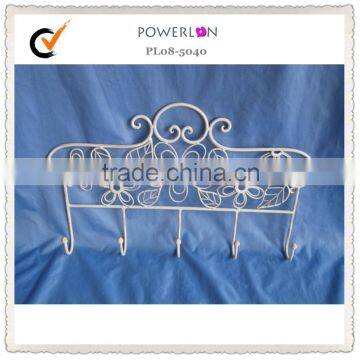 Metal Wall Hook Coat HookUS$ 2 - 3MOQ: 100 PiecesPlace of Origin: ChinaBrand Name: PowerlonModel Number: PL08-5040Material: MetalFuzhou Powerlon Arts & Crafts Co., Ltd.
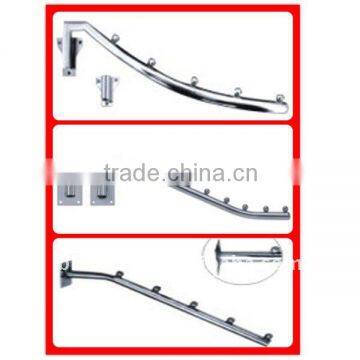 Coat Display Screw Wall HookUS$ 2 - 3MOQ: 1000 PiecesPlace of Origin: Guangdong, ChinaBrand Name: BeautifulModel Number: BG-048Material: MetalGuangzhou Beautiful Hardware Manufacture Ltd.
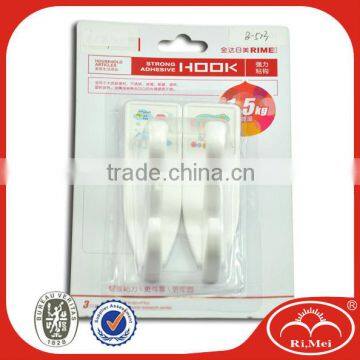 Plastic Adhesive Wall Mounted Coat Rack Coat HookUS$ 0.01 - 1MOQ: 5000 PiecesUse: ToolsMaterial: PlasticPlastic Type: Other, ABSFeature: Eco-Friendly, StockedGuangdong Jinda Hardware Products Co., Ltd.
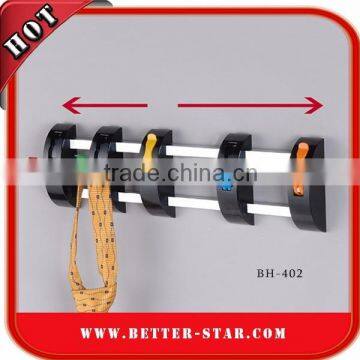 Coat Hook, Wall Hook, Hang it All HookUS$ 5 - 15MOQ: 600 PiecesUse: ClothingMaterial: Other, Metal, MDF+SteelMetal Type: Stainless SteelFeature: Eco-FriendlyBetter Star Co., Ltd.
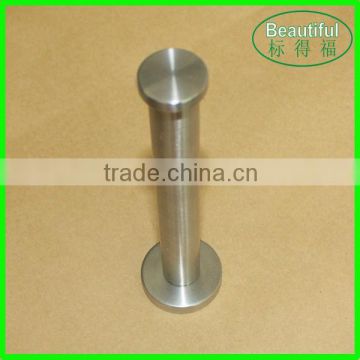 Stainless Steel Decorative Coat Hooks Wall MountedUS$ 0.6 - 2MOQ: 2000 PiecesPlace of Origin: Guangdong, ChinaBrand Name: BeautifulModel Number: BG-090AMaterial: stainless steel, Stainless steelGuangzhou Beautiful Hardware Manufacture Ltd.
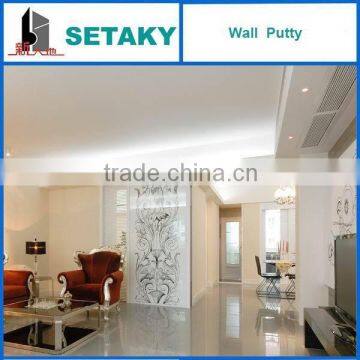 Wall Putty (skim Coat)- for Concrete Use--SETAKYUS$ 1 - 2.2MOQ: 5 TonsPlace of Origin: Shandong, ChinaMain Raw Material: Other, white cementUsage: Building CoatingApplication Method: BrushShandong Xindadi Industrial Group Co., Ltd.
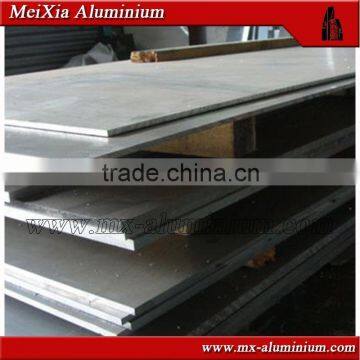 Color Coated Aluminum Trailer Wall PanelsUS$ 2.7 - 4.5MOQ: 5 TonsGrade: 1000 SeriesTemper: O-H112Type: PlateApplication: Heat preservation\ refrigerator\ Furniture\ decorate\ industryFoshan Nanhai Meixia Aluminium Co., Ltd.
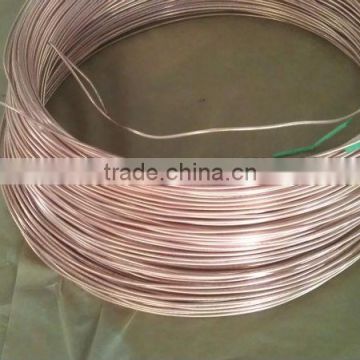 Single Wall Copper Coated Steel Pipe/tubeUS$ 800 - 1,400MOQ: 20 Metric TonsThickness: 0.5, 0.8Section Shape: RoundOuter Diameter: 4.76 - 8 mmPlace of Origin: Jiangsu, ChinaZhangjiagang Bestwinner Imp & Exp Co., Ltd.
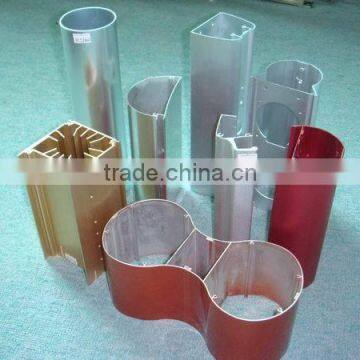 Powder Coating Aluminium Profile for Curtain WallUS$ 1 - 5MOQ: 1000 KilogramsPlace of Origin: Guangdong, ChinaGrade: Other, 6063 T5Temper: T3-T8Application: Heat SinkGuangdong Nanhai Freecom Hardware Product Co., Ltd.
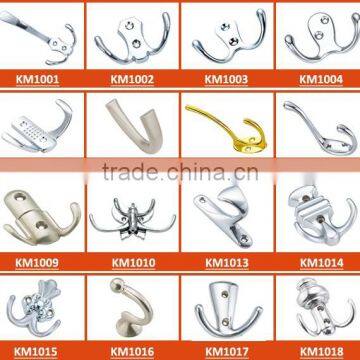 Most Popular Hanging Coat Metal Wall HookUS$ 0.2 - 1MOQ: 2000 PiecesUse: ClothingMaterial: Other, Zinc alloy, Zinc alloyFeature: StockedPlace of Origin: Guangdong, ChinaShanghai Meaton Trade Co., Ltd.
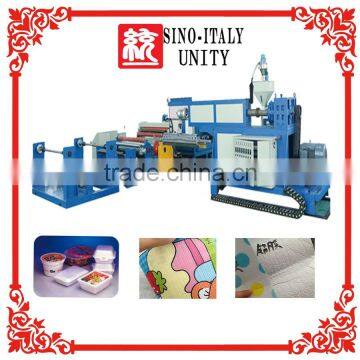 Label Coating Machine Wall Paper StickerUS$ 1,000 - 100,000MOQ: 1 SetCondition: NewApplication: FilmPlastic Processed: PEScrew Design: Double-screwLongkou Unity Machinery Equipment Co., Ltd.
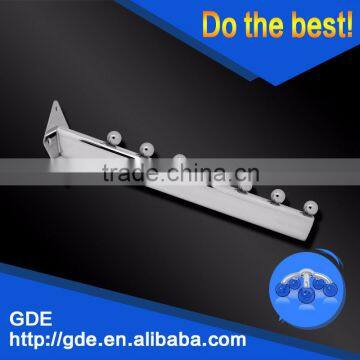 Factory Wholesale Iron Wall Mounted Coat HooksNegotiableMOQ: 1000 PiecesPlace of Origin: Guangdong, ChinaBrand Name: HQModel Number: CTX00035J7, CTX00035J7Guangzhou Global Display Equipment Trade Co., Ltd.
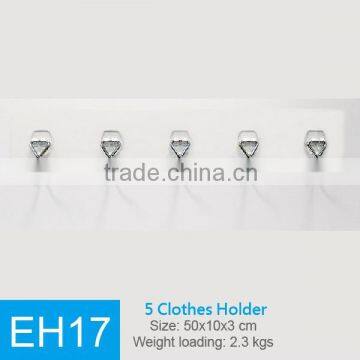 Wholesale Plastic Adhesive Wall Metal Coat Hanger HookUS$ 2.95 - 3.1MOQ: 1000 PiecesUsage: OfficeClothing Type: CoatsMaterial: PlasticStyle: MultifunctionalYuen Young Plastics Co., Ltd.
 Importer verified certifications for Decorative wall coat hook21 hours ago
 Purchaser is sourcing Diatom wall coating material2025-11-12 05:16:03
 Sourcing Agent is sourcing wall coating2025-11-14 07:06:56
 Verified Buyer requested a quote for Wall Coat Rack2025-11-14 01:43:12
 Purchasing Director is sourcing Test box for resistance to yellowing and aging of exterior wall coatings2025-11-15 20:50:56
 Importer verified certifications for Wall Coating18 hours ago
 Procurement Lead verified certifications for Blue Kingfisher water-coated sand exterior wall imitation stone paint weatherability can be good ultra-high reduction villa exterior wall spraying2025-11-15 04:52:31
 Importer requested a quote for Antique wall coat hook22 hours ago
 Business Owner is sourcing tree jacquard wall coatings2025-11-13 08:00:33
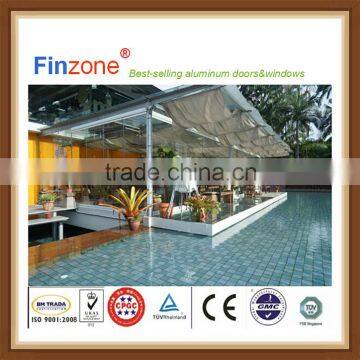 Oem Hot Sell Coated Glass Curtain Wall PriceUS$ 30 - 100MOQ: 600 MetersPlace of Origin: Shanghai, ChinaBrand Name: FinzoneModel Number: Finzone10Frame Material: Aluminum AlloyShanghai Finzone Windows & Doors Co., Ltd.
 Metal Wall Mount Storage Shelf/Powder Coating Metal ShelfUS$ 6 - 6MOQ: 500 MetersUse: SundriesMaterial: MetalMetal Type: IronFeature: Eco-FriendlyQingdao Minerva Industry And Trade Co., Ltd.
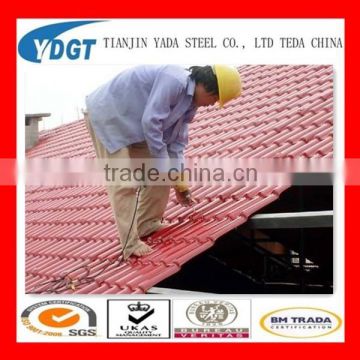 Price of Color Coated Galvanized Corrugated Steel Sheets for WallUS$ 600 - 1,000MOQ: 1 TonStandard: AISI, ASTM, BS, DIN, GB, JISGrade: SGCCThickness: 0.15-3.0mmPlace of Origin: Tianjin, ChinaTianjin TEDA YADA Steel Co., Ltd.
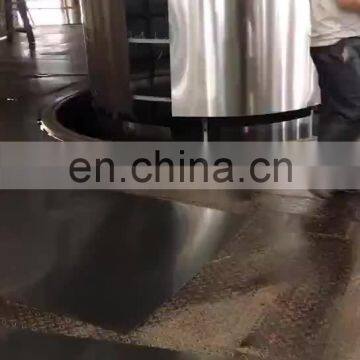 Decorative 201 304 3D-Wall Panel Black Color Coated Stainless Steel Sheets for SalesUS$ 500 - 600MOQ: 1 TonBrand Name: RenDaPlace of Origin: Shandong, ChinaModel Number: ss304 316 309, customizedLength: customizedShandong Renda International Trade Co., Ltd.
 2017 New Design Children Cartoon Wooden Coat Hooks Wall Mounted W09B073US$ 2 - 8MOQ: 1000 SetsUsage: ClosetClothing Type: ClothesMaterial: Other, Wooden, Solid wood+metalStyle: Single TubeWenzhou Times Co., Ltd.
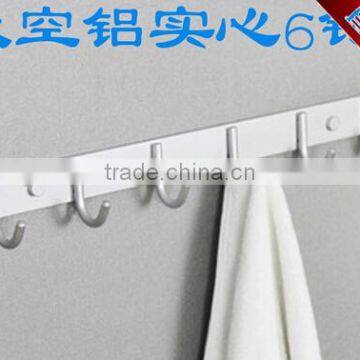 Space Aluminum Wall Hook Coat & Cap Hook Clothes Hook Key Hook Bag HangerUS$ 0.5 - 2MOQ: 50 PiecesUse: SundriesMaterial: MetalMetal Type: AluminumFeature: Eco-Friendly, StockedNingbo Beyond Commodity Co., Ltd.
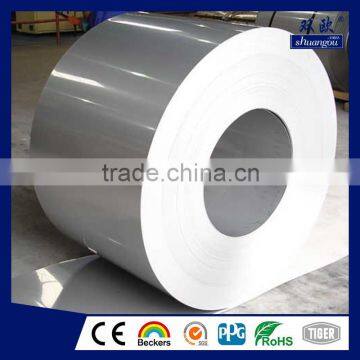 Professional 3003 H24 Color Coated Aluminum Coil for Table Panel/ Wall/roofing/insulation With High QualityUS$ 3,000 - 5,500MOQ: 5 TonsPlace of Origin: Jiangsu, ChinaBrand Name: shuangouModel Number: DO2005Application: ceiling,roofing,building,curtain wall,aluminum tile,acpChangzhou Shuangou Flooring Co., Ltd.