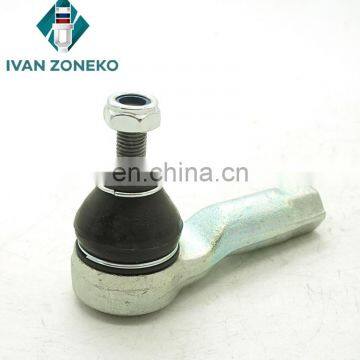
Tie Rod End Insights & Buyer's Guide
Tie rods form a variable part of the vehicle's steering and suspension mechanism, and without it the optimum as well as safe operation of the steering is never guaranteed. The tie rod end, in particular, is especially critical at its meager structure, being the one that, in essence, fixes the steering wheel to the wheels by transmitting movement from the rods in the wheelbase to the knuckles on each front wheel of the vehicle. When the steering wheel is turned, the other tie rods in the system or the inner as well as outer tie rod end, will all combine to keep the vehicle on its wheels and aligned. It is advisable for both new and long-term car users to know the basic functioning of the elements that make up the tie rod end and why this is so as it helps in not only spotting problems but also enabling conscious decision making in regards to where and when to change tie rod ends.
Tie rods are important in the steering and suspension systems of a vehicle and are meant to connect the wheels to the car body. The set normally consists of two tie rods, one inner and one outer, with the outer most vulnerable to wear due to road conditions. With usage, some parts, including the ball joint and the stud attached to the tie rod end, usually wear out, which may lead to problems in steering the car. Worn-out tie rod ends can cause the driver to experience troubles such as tire edges wearing unevenly, steering wheel vibration, or the car veering into a particular side. Replacing tie rod end on time helps to avoid damage to the steering wheel and keeps the alignment of the car in shape.
What is a Tie Rod End?
Definition and Function of Tie Rods
The Tie Rod End is an indispensable element of every automobile's steering and suspension Apparatus and it comes in handy as it connects the steering knuckle to the steering rack. Without such a link it is difficult to effect the steering of a vehicle, as this motion from the steering wheel levels against this part of the wheel in such a way that the wheel is able to control the direction of movement of the vehicle. The end of the tie rod is contained within a complete assembly of the tie rod, which comprises the inner as well as the outer tie rods. It is these parts that help in the alignment of the vehicle and ensure that the steering works appropriately. The motion of the tie rod end uses a ball joint, which helps to provide the steering movements needed in the system. This applies to any vehicle under consideration because it is important for both beginner and professional users of vehicles to know about what is involved in the use and the working of tie rods.
Types of Tie Rod Ends: Inner and Outer
Tie Rod End is usually divided into two:
Inner Tie Rods: near the wheels, they connect the balance tube and crank the vehicle. In particular, they transform the force of the sterm_box_gear into the outer sterm box.
Outer Tie Rods: together with the steering box, join the arms to the wheels. These components convert the linear motion of the rod into the rotary movement required in steering. These accompany tied rods; thus, external factors make them vulnerable much more than the inner rods, and they do not last long, nor are they too tough.
For all these reasons, outer tie rods should be checked regularly, for example, if dust and corrosion are seen, or if the condition of the tie rod end is frayed; then the outer tie rods have to be replaced and changed. At such a time, when on the outer tie rods the ends of the new tie rods are not of good quality, it can be dangerous with the effect of poor control on the vehicle user's structural economics of the car, as one with suspension regarding specification.
Role in Steering and Suspension
Tie Rod End plays a vital role in the car’s steering as well as its suspension system because of its function of connecting the driver with the road through a steering wheel. Additionally, it has been fixed to the steering tie rod end assembly to allow efficient turning of the front wheels with the low inclination of the car, hence smooth driving is achieved. The tie rod end is not only useful when turning a steering wheel; it also helps the suspension as it holds the wheels together within the frame. This variation in alignment is very useful as it prevents wear of the tires and provides better handling control. Failure of the tie rod end is accompanied by under-inflation of the tire and, to an extent, vehicle instability during cornering; hence, frequent replacement of the tie rod end is necessary. In the worst-case scenarios where a worn-out tie rod end manifests, be it through a vibrating steering wheel or one that causes a vehicle to break into a waver, it is necessary to seek the services of a technician to replace the tie rod ends to avoid problems.
Signs of a Bad Tie Rod End
Common Symptoms of Failure
Knowing how to check the common signs that are usually present due to a bad tie rod end is very important if one wants to preserve the good state of a car’s steering and suspension system. A common symptom of a tie rod end that needs service or replacement includes tires wearing more on one side than the other. This is because when there is any wear and tear on the ball joint or stud in the tie rod, it throws off the alignment, resulting in uneven tire wear. Apart from these tires, a driver can feel a vibrating or shaking effect on the steering wheel, more so when accelerating. A worn tie rod end fails to provide support between the steering rack and the steering knuckle, leading to this vibration. A vehicle that at all times pulls one way despite being correctly aligned draws attention to problems inside the tie rod, also. If a clunking or knocking of the steering wheel is heard during driving the vehicle, it may imply that there is a need to investigate the condition of the respective tie rod end. To keep the steering safe and in control, all these signs should be acted upon by inspecting and replacing the attribute that causes the failure, which in this case shall be the outer tie rod.
Impact on Vehicle Handling
Tie Rod End’s vitality to the vehicle is perceptible and thus should not be downplayed. Once the component is ruined, the link between the steering rack and the front wheels weakens physically, and of course, steering input becomes less precise, and the handling deteriorates, which is felt in the tiller. This causes misalignment of the wheels of the vehicle, causes the driver not to be able to hold the steering wheel straight, and increases the chances of a road hazard resulting from ill steering. Also, one of the most important features of the Tie Rod End is the proper fixing of the wheels with the frame of the vehicle so that the steering is functioning without any hindrance. A tie rod end that shears off will cause excessive tire wear of the front tires, stabilizer bar links, and other associated suspension parts, which will reduce the vehicle's handling even further. For such reasons, replacing worn tie rod ends as soon as possible should be done at the right time to help maintain good handling and avoid damaging the steering mechanism and suspension system in the long run.
When to Consult a Mechanic
One must definitely know when to replace the steering linkage rods since they are key to the overall safety and function of the car’s steering mechanism. If there are tie rod end symptoms that are easily visible, the driver ought to have the tie rod ends checked as soon as possible. In this regard, some of the main symptoms include:
Tie Rod End Problems In Uneven Tire Wear Causes
Blasts On The Tie Rod End
Steering Is Off The Center Line
An experienced technician will always develop and conduct a windshield inspection and examination of the steering and suspension system to see whether or not the tie rod assembly is inactive due to wear and/or corrosion. Tie rod ends, ball joints, and outer components will be evaluated in person as well. If it becomes apparent to them that the tie rod end needs replacement, they will determine that and share the information as well. The mechanics can also perform alignment checks as well as install new tie rods correctly, as there is a particular torque to be applied when using castle and jam nuts. Visiting an experienced technician is a plus since futuristic problems, such as failing steering gears or steering boxes, are eliminated. More so, the problems are resolved within the shortest time possible, and the motor vehicle remains efficient as expected.
Maintaining Your Steering System
Regular Inspection Tips
Regular maintenance is essential for all vehicle parts to extend their life span and ensure they all work as expected. Tie Rod End is one of those components that frequently fail, hence it should be specifically looked at. Below points are some areas of concern.
Inspect the external tie rod concerning any existing cracks, rust or burnt-out sockets, or ball joints. Examine the structure of the ball joint for any visible fractures, pipe corrosion, or scuffing in paint and joint as that would suggest it is wearing out.
Examine the steering knuckle as well as the steering rack for wear that could potentially impact the tie rods.
One thing you should do is observe how the wheels move when undisturbed or turned a little. The movement should not be contorted in any way. There should be no grinding or ugly sounds as these are indications of the Tie Rod End losing its purpose. Furthermore, check and adjust wheel alignment often since out-of-line steering should be one of the last sights; ensure also that the front wheels are centered with the axis that holds them. With these measures, the issue can be spotted beforehand and the Tie Rod end can be changed in due time before damage is extended to the steering.
Importance of Alignment and Suspension Maintenance
Alignment and suspension must function properly for high-performance steering of the vehicle. The Tie Rod End helps avoid misalignment of the vehicle since it maintains an equiangular position of the left and right front wheels. A tilted front wheel is mostly in alignment with the uneven wearing of the tires or even the wear and tear, which points in the direction of worn-out tie rod ends. To avoid putting excess strain on these components or affecting vehicle stability, wheel alignment and steering tie rod adjustments should be checked on a regular basis. This includes sway bar links and other components in the suspension, which are job benches for the steering system, shock absorber, and also maintain the vehicle’s balance. Strained suspension and worn-out tie rod ends can assist in making other components, such as the inner tie rod or front end dress out and fail supple part replacement. Obviously, it means that locating and securing alignment and other forces will inspire longer wear of the Tie Rod Ends and will make driving more pleasant and less risky.
How to Extend the Life of Tie Rod Ends
Tie Rod End longevity can be achieved through comprehensive maintenance of the automotive. Protecting the Tie Rod End from water and dirt from the road, among other weather-proofing measures, will reduce the likelihood of its wearing or rusting. Most corrosion can be dealt with through the application of the regular cleaning process of the bottom of the vehicle, which accumulates after a muddy trip or poor weather. Lubricating the ball joint and the specified parts of the tie rod that need to pivot also minimizes wear and tear. When replacing either the inner or outer tie rod end, make sure you purchase durable aftermarket or OE ones. Also, some nuts like the castle nut and the jam nut would be worthy of extra consideration during the installation, so that they do not get loosened afterwards. Keeping wheels in a balanced alignment, as well as having a working suspension system, helps in extending the life expectancy of the tie rod ends. Leveraging the aforementioned measures will help the car owners to enhance the functioning of the steering system.
Frequently Asked Questions (FAQs)
What is a tie rod end, and what role does it play in my vehicle?
Tie Rod End is that part of a car’s steering and suspension system that is very important. It is where the centre steering link attaches to the steering knuckle and allows the front wheels to pivot when the driver steers. The driver may find the vehicle difficult to control if the tie rod ends are loose due to wear. Inspecting and replacing tie rod ends where necessary will aid in maintaining the alignment and will reduce the risk of early damage. High-quality third-party tie rod ends like those from Moog, for example, can increase the life span and efficiency of the steering system.
How do I know if my tie rod end needs replacement?
Some subtle symptoms of a worn tie rod end could be excess play on the steering wheel, the appearance of abnormal pockets of wear in the tires or having a steering wheel that vibrates. In any of these instances, which tie rod end use is called call for replacement. More so, during maintenance, a mechanic can look out for excessive looseness in the tie rod assembly. These symptoms should be checked in a timely fashion in order to safeguard the vehicle’s alignment and allow for comfortable steering. It is best to examine the condition of the inner tie rod end when replacing the outer tie rod.
What is the process for tie rod end replacement?
In most instances, when replacing the tie rod end, the mechanic will jack up the automobile and ensure it is in position using jack stands; this will enhance safety considerations. In the case of a mechanic will have to move or take off the tyre to allow access of the tie rod assembly. This means the outer tie rod end will be separated from the steering knuckle, and the inner tie rod end will be unbolted from the steer box. In the installation of replacement tie rod ends you need to ensure that the alignment of the car is carried out; otherwise, a lot of wear and tear will occur on the tyres. Whenever you change the outer tie rod, make sure that the fresh tie rods that you are going to use are the recommended ones for your model and make of your vehicle.
Can a bad tie rod end affect my vehicle's alignment?
Tie Rod End malfunctions result in the car losing its alignment considerably. When tie rod ends have too much wear, the steering becomes loose and the tires start to squint. This tilted orientation of the tires causes skewed tire wear and impedes steering precision. If one experiences issues such as a vibrating or wandering steering wheel, it is crucial that one gets the tie rod ends checked and if need be, changed. Preserving the integrity of the steering system with reliable parts will also aid in preserving the alignment of the vehicle, as well as enhancing the overall driving experience.
What should I consider when choosing replacement tie rod ends?
In the process of choosing replacement motor vehicle tie rods, it is prudent to check on the quality and fitment of the parts to your car’s specifications. High-end brand names such as Moog give components that can improve the longevity and performance of parts. One also has to consider the clearance and fit specifications to make sure they are compatible for proper mounting. Moreover, when replacing the tie rod end, it might be more advantageous to replace inner and the outer tie rod ends simultaneously. This is an approach that can easily avert any future problems, more so with the steering system being dependable.









 Contact Platform Support
 Help Center
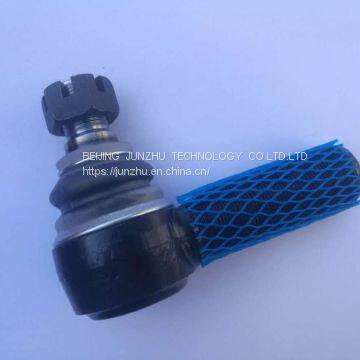 Tie Rod End Socket Tie Rod End 555 For Scaniia / VolvoNegotiableMOQ: 1 PieceBrand Name: JunzhuPlace of Origin: ChinaShijiazhuang Junzhu Technology Co., Ltd
 1 Yr
1 Yr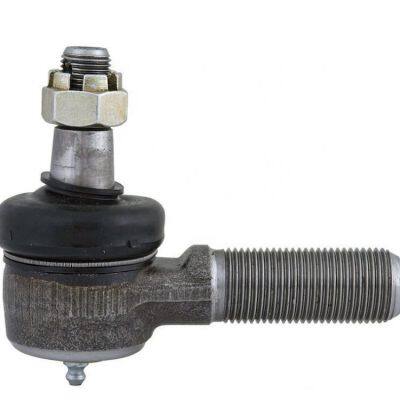
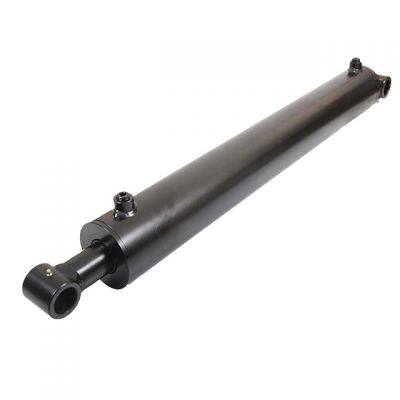 Heavy Duty Tie-Rod Cylinder ASTM F1554 21MPa Cushion Ends SAE J518 FlangeUS$ 121.00 - 368.00MOQ: 2 Pieceswarranty: 1.5 yearsweight (kg): 60video outgoing-inspection: Providedmachinery test report: ProvidedHunan Shanbuzhuanshuizhuan Power Technology Co.,Ltd
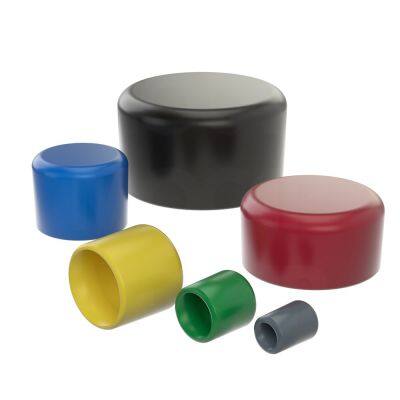 Round Tubing Steel Rebar Finishing Plastic Caps 16mm Threaded Tie Rod Plastic End CapUS$ 0.05 - 0.15MOQ: 1000 PiecesBrand Name: MOCAPPlace of Origin: Guangdong, ChinaModel Number: RFC.187-7Plastic Modling Type: InjectionZhongshan MOCAP Industry Co.,LTD
 04250-60639 Good Price END ROD Construction Machinery PartUS$ 4.00MOQ: 1 UnitWarranty: 6 MonthCondition: NewVideo outgoing-inspection: ProvidedJining Pinbo Import And Export Co.,ltd.
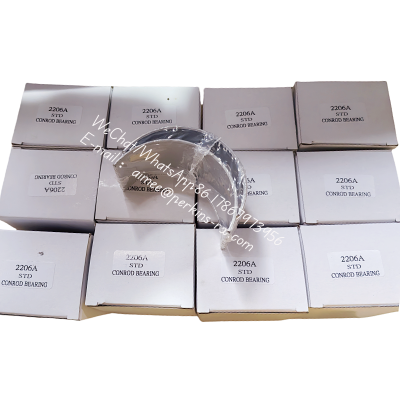 OEM Perkins 2206 Engine Krp3023 CONROD BEARING Big End Connecting Rod Bearing Kit StdUS$ 30MOQ: 1 PieceMaterial: IronType: Connecting RodSpecification: 23*23*23Trademark: QiuqingNingbo Qiuning Trading Co., Ltd
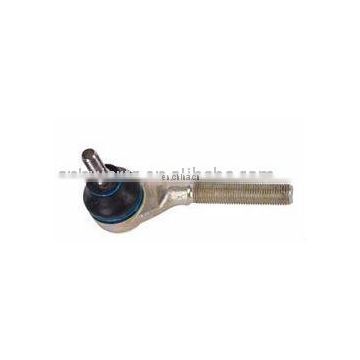 Tie Rod EndNegotiableMOQ: 1 UnitType: auto partsMaterial: rubber steelOE NO.: 3817.41Anhui Arts & Crafts Import & Export Company Ltd.
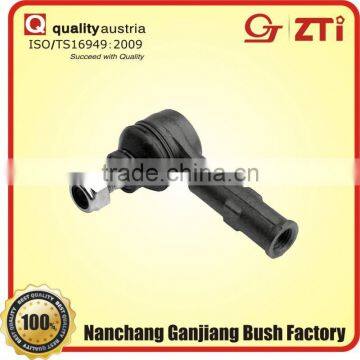 Tie Rod End BlankUS$ 0.1 - 10MOQ: 200 PiecesType: Tie Rod EndSize: allCar Make: allOE NO.: allNanchang Ganjiang Bush Factory
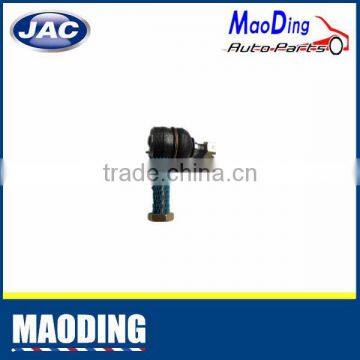 Tie Rod EndNegotiableMOQ: 10 PiecesType: Tie Rod EndSize: standardCar Make: 1040KOE NO.: 1040KHangzhou Maoding Auto Parts Co., Ltd.
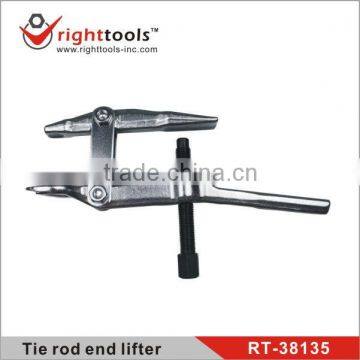 Tie Rod End LifterNegotiableMOQ: 2000 PiecesPlace of Origin: Shanghai, ChinaBrand Name: RIGHTModel Number: RT-38135Right Tools International Corp.
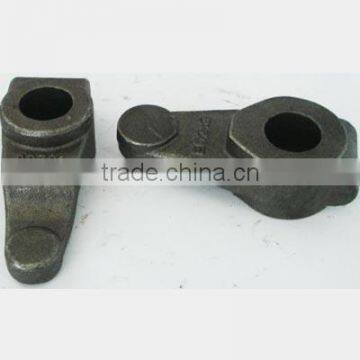 Auto Tie Rod EndUS$ 1.2 - 1.8MOQ: 1000 PiecesPlace of Origin: Zhejiang, ChinaNingbo Zhongan Forging Co., Ltd.
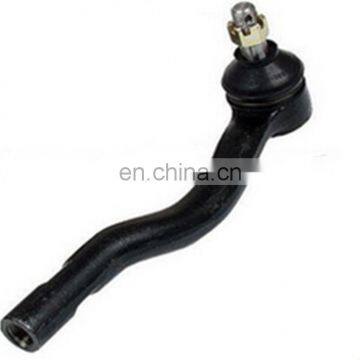 Tie Rod End for Corolla CE140 Tie Rod End 45046-19265US$ 2 - 5MOQ: 10 SetsBrand Name: OEMPlace of Origin: Guangdong, ChinaModel Number: 45046-19265Dodge Auto Parts Fuel Injector Trade Co., Ltd.
 7701474641 Tie Rod End for RenaultUS$ 1.5 - 2.5MOQ: 300 PiecesType: Tie Rod EndSize: StandardCar Make: RenaultOE NO.: 7701474641 tie rod endJiangsu Great Industrials (Group) Corp. Ltd.
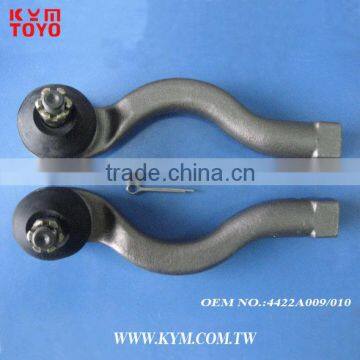 OE NO. MR508136 Tie Rod EndUS$ 1.5 - 10MOQ: 100 PiecesType: Tie Rod EndSize: SE-7841RCar Make: PAJERO V65EOE NO.: 4422A009 MR508136Jingzhou Chingyang Machinery Co., Ltd.
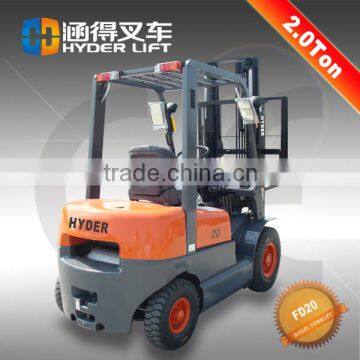 Tie Rod End Sale ForkliftUS$ 10,000 - 36,000MOQ: 1 UnitCondition: NewPlace of Origin: Shanghai, ChinaBrand Name: HYDERModel Number: FD20Shanghai Hyder Industry Co., Ltd.
 Truck Tie Rod End 6013300435US$ 5 - 20MOQ: 100 PiecesPlace of Origin: Anhui, ChinaBrand Name: TeahoModel Number: 6013300435Hefei Teaho Import And Export Co., Ltd.
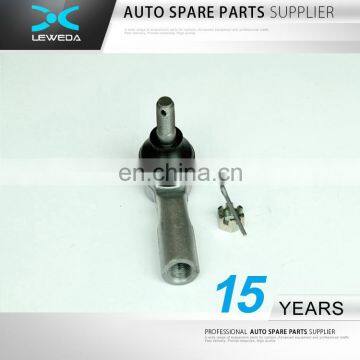 Factory Tie Rod End Price Auto Tie Rod End JAPAN Tie Rod End 45046-29255US$ 2.4 - 3.4MOQ: 50 PiecesBrand Name: LEWEDAPlace of Origin: Guangdong, ChinaModel Number: 45046-29255Feichi (guangzhou) Trading Co., Ltd.
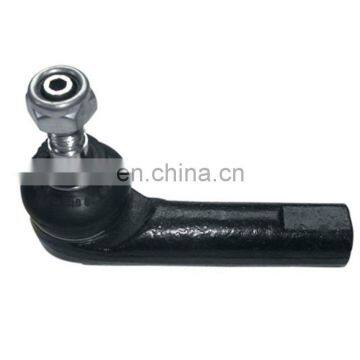 Auto Chassis System Tie Rod End 1J0422811BUS$ 2 - 10MOQ: 200 PiecesBrand Name: BOCHIPlace of Origin: Chongqing, ChinaModel Number: BMACSTRE210Bochi Corporation
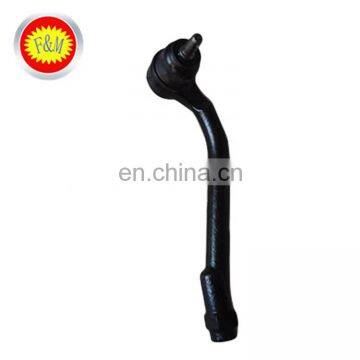 56820-2H000 Cars Tie Rod End For KIAUS$ 4 - 5MOQ: 1 PieceBrand Name: FENGMINGPlace of Origin: Guangdong, ChinaGuangzhou Fengming Auto Parts Co., Ltd.
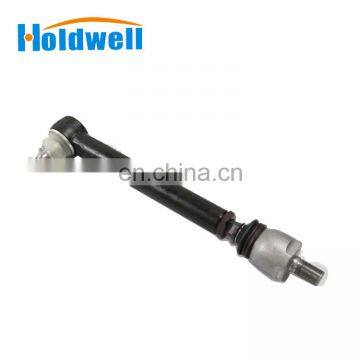 126/02253 Excavator Parts Tie Rod EndUS$ 5 - 11MOQ: 100 PiecesBrand Name: HOLDWELLPlace of Origin: Zhejiang, ChinaModel Number: 126/02253Material: SteelHangzhou Holdwell Mechanical And Electrical Co., Ltd.
 Tie Rod End for E25 OEM 48520-VW025US$ 5.5 - 5.5MOQ: 500 PiecesType: Tie Rod EndSize: Standard SizeCar Make: NISSANOE NO.: OEMYiwu Rolie Auto Parts Co., Ltd.
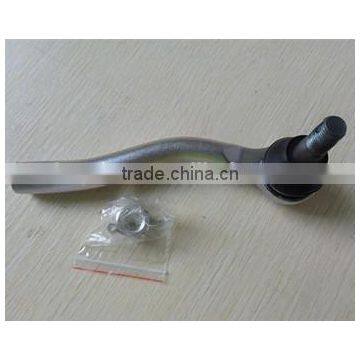 For Navara D40t Tie Rod End 48520-EB70ANegotiableMOQ: 1 PiecePlace of Origin: Guangdong, ChinaModel Number: 48520-EB70AGuangzhou Fengming Auto Parts Co., Ltd.
 CALIBRE Universal Tie Rod End SocketNegotiableMOQ: 300 PiecesPlace of Origin: Taiwan, ChinaBrand Name: CALIBRE or Customized Brand NameModel Number: CAA0070Warranty: 12 MonthsProjen Industrial Company Ltd.
 Control Arm,Tie Rod Ends,tie Rod,ball JointNegotiableMOQ: 1 SetPlace of Origin: ChinaWenzhou Googol Imp.& Exp. Co., Ltd.
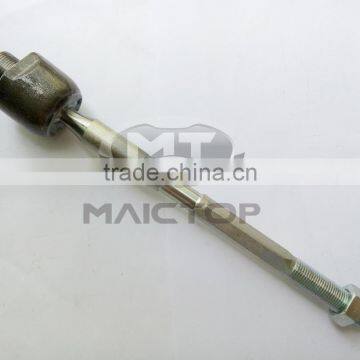 Tie Rod End With Ball Joint Rack End Assembly Stabilizer LinkUS$ 3 - 6MOQ: 10 PiecesType: Steering GearSize: standard sizeCar Make: TOYOTA LAND CRUISER PRADO 4 RUNNEROE NO.: 45503-39265Guangzhou Great Auto Parts Co., Ltd.
 Procurement Lead negotiating terms for Pure White Pultrusion Fiberglass Reinforcing Rods with Tip End2025-11-14 13:28:19
 Operations Head requested a quote for Truck steering parts tie rod21 hours ago
 Buyer submitted an RFQ for new Adjustable Men's Bow Tie high-end Butterfly Tie For Men2025-11-14 08:15:50
 Buyer inquired about 5 PC FRONT END BALL JOINT SERVICE TIE ROD TOOL KIT SET PITMAN ARM PULLER REMOVER2025-11-16 06:43:54
 Import Coordinator negotiating terms for stainless steel rod metal end cap for sale2025-11-15 15:57:52
 Procurement Lead submitted an RFQ for china supplier tie rod cylinder18 minutes ago
 Procurement Specialist inquired about ATV quad Tie Rod2025-11-12 11:41:36
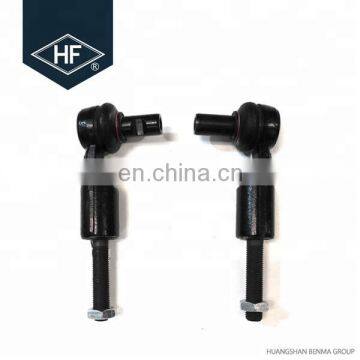 Hot Sale Auto Front Axle Tie Rod End 4D0419811A for VWUS$ 1 - 4MOQ: 400 PiecesBrand Name: HFHuangshan Benma Group Co., Ltd.
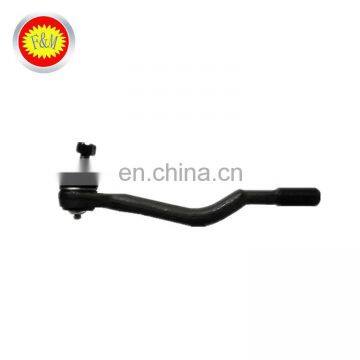 Car Parts Tie Rod End D22 48521-2S485US$ 3 - 10MOQ: 10 PiecesBrand Name: fengmingPlace of Origin: Guangdong, ChinaGuangzhou Fengming Auto Parts Co., Ltd
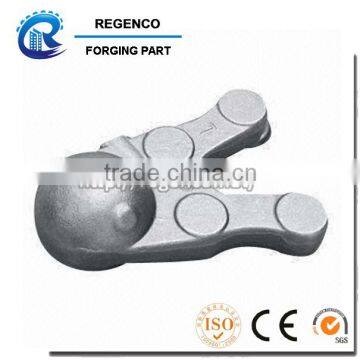 Tie Rod End, Ball Joint Housing, Blank Forging PartUS$ 0.1 - 50MOQ: 100 PiecesPlace of Origin: Shandong, ChinaBrand Name: REGENCOModel Number: Nonstandard ProductsDimensions: Customer RequiredQingdao Regenco Industry Co., Limited
 Dent Puller Metal Hot-sale High End Zinc Alloy Puller for Handbags Tie Rod End PullerUS$ 0.1 - 0.45MOQ: 500 PiecesType: Other, Zipper&ChainMaterial: Other, Metal, metal.zinc alloyPlace of Origin: Guangdong, ChinaBrand Name: SongaDongguan Jinda Industry Co., Ltd.
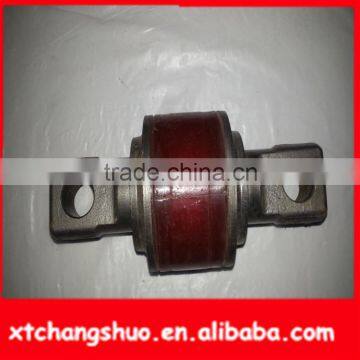 Total Core Spare Parts Heavy Duty Truck Tie Rod End Urethane Bushing Quality ChoiceUS$ 0.1 - 10MOQ: 100 PiecesType: BumpersTruck Model: HowoSize: standardMaterial: rubber&steelXingtai Changshuo Auto Parts Co., Ltd.
 FOR BMW X5 E53 Front + Rear Control Arm Suspension Kits Tie Rod End Bushing Wishbone Sway Bar Link 10pcs 31126756491 31126760276US$ 100 - 200MOQ: 1 PieceBrand Name: GOGOPlace of Origin: Zhejiang, ChinaSuzhou Qqqpet Electronic Technology Co., Ltd.
 Tie RodUS$ 1 - 10MOQ: 1000 SetsPlace of Origin: Shandong, ChinaBrand Name: OEMModel Number: SegerType: Scaffolding PartsQingdao Seger Industrial Co., Ltd.