Surgical Dressing Insights & Buyer's Guide
Healing is a complex process, and the management of each wound requires appropriate wound dressing for that matter. In this case, there is a danger of infection that can be addressed with particular dressings and with certain principles of use. There is an incredible variety of surgical dressings, from gauze to hydrocolloids. To distinguish between them and apply them correctly could certainly help the patients as well as those taking care of them. Throughout the rest of this text, we are going to cover different kinds of surgical dressings, the purposes of these dressings, and general principles of application. Specialists in healthcare, relief workers, and those who have an interest in learning more about the subject will find this publication very useful in terms of intervention strategies to promote wound management.
Getting Started with Surgical Dressings
Understanding a Surgical Dressing.
In common words, a surgical dressing refers to any wound cover made specifically for the purpose of covering a surgical wound to allow for the cutaneous recovery of wounds. It is beyond mere coverage; it is a vital exercise in intervention on wounds. Surgical dressing can be made from gauze fabric, foam material, or medical-grade silicone. This is because each of these materials has properties that can assist in addressing specific issues for the different sizes and types of wounds. E.g., use cling foam on a surgical wound that has dehisced since it can absorb exudates effectively. In contrast, hydrocolloid dressings are used on surgical wounds that enhance moist healing conditions that most, if not all, surgical wounds require to allow proper healing as the cells repair and regenerate. They are also used as barricades to extraneous elements, hence infection, saving the measures used for any healing of the wound.
The Significance of Caring for Wounds
Appropriate care for wounds is crucial to achieving desired surgical results and preventing complications, for example, infection or excessive leucocyte delays healing. Use of correct Surgical Dressing is the basic principle of wound care. Choosing a wound dressing takes into consideration its protection from external attacks as well as the different stages of the healing process. For instance, surgical incisions are securely covered with transpired film dressing such as Tegaderm, as it facilitates inspection of the wound without taking off the dressing, hence bringing in contact-ie threatens contamination-reducing ways out. Also, it can be supplemented by secondary dressings like abdominal pads to give additional cushioning or absorb large amounts of exudate from big surgical incisions. By maximizing the usage of dressings to the advantage of the wound, great achievements can be made in both the levels of healing from the wound and the comfort of the patient.
Types of Surgical Wounds
Surgical wounds are separated into classes relative to contamination and surgery. Different dressings are used for different surgical wounds as follows:
Clean wounds: minor dressings such as gauze and plaster, and skin protectives are for clean wounds, which typically result from planned procedures and are ideally documented beneath the definition of clean surgical wounds
More invasive wound: for example_inferring from a laparotomy performed for a surgery on the abdomen, will demand more sophisticated surgical dressings such as a silicone foam dressing or alginate dressing since there will be more exudates from the wound and more protection will be necessary.
Wounds that do not heal can be a result of surgery or even disease, and in such instances, may need the use of a surgical dressing or a hydrocolloid type of dressing, depending on the time it takes for healing to take place. Different settings of surgical wounds have been understood by caregivers and practitioners in the health care field, and this has enabled them to customize their approaches in wound management for optimal healing and results.
Types of Surgical Dressings
Foam Dressings: Benefits and Uses
Many people prefer foam dressings because of their high absorbency and their ability to do more than one thing at a time in relation to wound care. It is appropriate to use them on wounds with moderate to high exudate due to the fact that they handle exudate well. Imagine a foam layer dressing 4x4 by units; it will sequentially provide cushion over the wound in order to protect it from any mechanical injury and to keep it moist at all times for effective recovery. This sort of dressing is gauze, which is used in pressure ulcers or sores from surgery or any chronic wounds where balancing moisture content and absorption is very crucial”. Foam dressings have a structure that allows air exchange and, hence, the oxygenation of the wound site, which helps in wound healing at its various stages. For Doctors and every health professional, Foam Dressings as a wound management therapy is safe and effective because it can be used either as a Primary Surgical Dressing or a Secondary Surgical Dressing, depending on the type of wound to be treated.”
Silicone Foam Dressings for Sensitive Skin
Surgical dressings made of silicone foams are a gentle and effective solution for patients with sensitive skin. These dressings use a soft silicone adhesive which is harmless and non-irritating when bonded to the skin or on removal hence frequent change of dressing is not a hustle. They are widely reputed as low-trauma dressings, owing to the soft silicone layer, which comes as a great relief for patients with breakable skin. The usefulness of silicone foam dressings lies not only in comfort, but also in the superb absorbability and management of moisture content for ensuring best conditions for healing. They are often deployed in managing postoperative wounds, burns, and skin grafts, where better protection and rapid healing is required. More still, the flexibility of postage is normally good as in the case of silicone dressings and becomes appropriate in curved situations where injury protection and elasticity is required. In the management of sensitive skin disorders, the use of silicone foam dressings is indispensable because of their delicate adhesion absorbency and protective features.
Transparent Film Dressings: When to Use
The utilization of transparent film dressings like Tegaderm proves very effective in the management of wounds as they combine the feature of overlapping and view. These dressings, also referred to as transparent film dressings, are comprise of a thin layer of polyurethane film with a coating which adheres to the patient's skin, forming a waterproof seal, yet allows the skin underneath to ‘breathe. Such a property makes them especially applicable in shallow wounds, incision sites and intravenous insertion sites where frequent lifting of the dressing is not necessary for wound observation. Apart from primary indications, transparent film dressings are also appropriate for secondary indications because they nicely cover and hold other dressings in place as well as preserve the integrity. Adhesion makes them firmly adhere and remain even when the patient is taking a shower or bath and provide protection at all times. For appropriate wounds with little exudates, surgical dressing film is an easy convenient and efficient way of dealing with such wounds while infections are minimized as the soft tissue is easily visible. Knowing when to apply such dressings allows the health care worker to promote patient recovery and simplifies wound management.
Choosing the Right Wound Dressing
Factors to Consider for Optimal Healing
There are numerous factors to consider while choosing a surgical dressing due to the positive impacts on the healing process. The following are the main factors to consider:
The nature, extent, or quality of injury itself: Take, for instance, postoperative surgical hardware, which calls for sterile applications such as sterile gauze pads, lying beds, muslin support bandages, etc.
Fluid within injury – ditching the slack: Wound type remedy that involves moisture is the answer to maintaining that slack. A lot of absorbent wound dressings are available like foam dressings and alginate dressings, suitable for wounds with secretion discharge, stretching all the way to severe.
In addition, it is important to consider the sensitivity of the patient’s skin; for example, silicone foam dressings have been shown to adhere easily to sensitive skin without irritation. The location of a wound also affects the selection of a dressing with Band aids or with a Tegaderm suitable for exposed parts such that a tight dressing covers the area while providing or allowing visibility to such areas. By applying these measures properly, wound dressing is revolutionized by adapting care strategies while enhancing and minimizing potential hitches.
Adhesive vs. Non-Adhesive Dressings
Adhesive dressings and non-adhesive surgical dressings, in particular, debug the choice of how each should be used for wound healing, and with respect to the conditions of the patient and the wound, one is preferred over the other. Adhere – dressing – bandage – island – gauze dressings provide a solution for wounds which are in moveable areas because they do not slip easily when used. These dressings are user-friendly and easy to apply as some of them are highly adhesive and can absorb wound moisture. In contrast, where patients have protestations about their skin or frequent dresses are used in therapy, the use of an adherent dressing will be discouraging. Gauze and hydrocolloid dressings belong to nonadherent dressings and function to cover the wound by using another layer of dressing, such as an abdominal pad. These are less reactive and facilitate the easy removal of dressings while managing chronic wounds or postoperative wound care. These considerations and others enable the selection of appropriate actions that promote better healing and enhance the comfort of patients.
Absorbent Dressings for Exudating Wounds
Any wound that discharges too much fluid must be managed with the aid of any absorbent dressings which aim at regulating of fluid flow thus ease the healing process. Some of the most commonly used kinds of foam dressings are the basic foam dressing 4x4, which constitutes a lot of absorbency and is best suited for wounds that contain moderate to heavy exudate levels with an added advantage of cushioning and protection without letting all the exudate drain in some cases and a threat of dryness in other cases. In situations where the wounds are highly exudating, there are alginate wound dressings. These products are made from seaweed and unlike any other wound dressing, they are not just absorption-filming products. Instead, in the process of absorbing the fluid this dressing turns into a gel which helps to deal with the wound. In the management of wounds that take a longer period to heal, alternative solutions that have a combination of absorption and retention properties such as the hydrocolloid dressings, are more appropriate as they enhance healing and reduce the infection of the wounds. One very effective weapon in controlling the process of soaking and healing the wound is the correct Surgical Dressing. Such dressings work by allowing control of the exudate and thus allowing the wound to remain in the desired condition and which will aid and lessen recovery of the wound and therefore in a way, reduce healing time and decrease injury or harm to the patient.
Frequently Asked Questions (FAQs)
What is a surgical dressing and its purpose in wound care?
Dressings which are mostly associated with surgical procedures, are plants or tubes that are (most of the time) put over surgical or external cuts in order to treat them by preventing infection, absorbing fluid secretions and facilitating healing. These dressings come in various materials and designs for example foam dressings, absorbing wound dressings or hydro-gel. The selection of dressing is usually dictated by the nature and extent of the wound be it acute, surgical or small. Surgical dressing especially in copies the presence of conducive moisture for all the stages of healing a wound. Besides, certain types of dressings have an adhesive border which enhances their ability to stick and minimizes their chances of coming off.
How is a wound dressing in the type of a postoperative wound is correctly selected?
One must take into account certain elements while determining the most appropriate dressing for the surgery site. Such elements include the length of the wound, exudate amounts, and for wounds in places such as the sacrum. Bordered dressings, such as island bordered gauze, are helpful in ensuring fit while highly absorptive products would be needed in case of a lot of exudate, especially from cuts or wounds. Some patients also prefer the use of hypoallergenic or a dressing that does not stick on the skin probably for reasons of skin behavior. Furthermore, dressings that are of the standard that is used in hospitals should be higher on the list for the advantages that they offer such as cleanliness and utility. To know which dressing to use for a case, it is a good practice to always assess the situation with a physician or healthcare professional.
What is the most suitable surgical dressing for tattoos?
Surgical Dressing: Tattoo healing requires the use of a certain dressing to cover the site effectively while maintaining ventilation. There are tattoo-dedicated bandages to fulfill this function, and most of them contain a moisture-proof membrane that despite waterproof qualities is of high air permeability. Alternatively, dressings such as clear plastic films may also be applied and will provide a much-needed layer of protection while the tattooed area is being treated. Dressings need to be replaced at intervals as advised and the involved area should be kept clean at all times to minimize wound infection. It is advisable to use a dressing that is soothing to the skin, as well as appropriate for delicate skin.
What are the advantages of applying foam dressings in managing wounds?
Highly effective in absorbing water and creating a barrier to disperse pressure, foam wound dressings are extremely suitable as post-operative or other wound management devices. These dressings provide for a moist wound healing modality, which may speed up the healing rate and relieve pain. In short, foam wound dressings are suitable for exudative wounds of moderate and heavy extent as they help to control leakage while protecting the intact skin. Apart from this, this outer surface of the foam dressings can keep a check on bacterial growth inside the wound, reducing infection. They can also be incorporated along with various other types, like hydrogels and absorbent pads, to achieve complete wound control.
What are the characteristics of a Surgical Dressing that can prevent the wound site from adhering to the surface?
Surgical Dressing Advantages: the wounds & dressing construction of medical dressing is designed to soak up and retain wound fluid e.g., wound exudate, forming an environmental barrier. Primary methods include the use of absorbent products like hydrocolloidal and semi-permeable foams, which are incorporated directly into adhesive dressings. Additional features, such as adhesives used in the construction of bandages, enhance its fit on a patient’s skin thus allowing for the elimination of slips that may compromise the dressings. Their rate of absorption can also be suited according to the need of woundage – particularly helpful when managing wounds with high secretion of exudate. These dressings encourage moist wound care whilst limiting maceration and irritation of the surrounding skin.









 Contact Platform Support
 Help Center
 Sterile Disposable Medical Universal Surgical Dressing KitUS$ 0.4256 - 1.8937MOQ: 4000 PacksProperties: Other, Medical Materials & AccessoriesType: Other, Dressings and Care For MaterialsBrand Name: SarecareModel Number: SF-01Hefei Safecare Medical Products Co., Ltd.
 5 Yrs
5 Yrs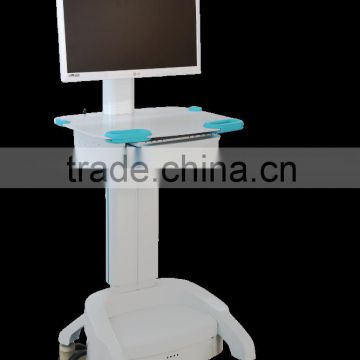 KL-MO1 Laptop Mobil Medical Cart Surgical Dressing TrolleyUS$ 289 - 318MOQ: 5 PiecesMaterial: WoodPlace of Origin: Jiangsu, ChinaModel Number: KL-M01Jiangsu Keling Medical Appliances Co., Ltd.
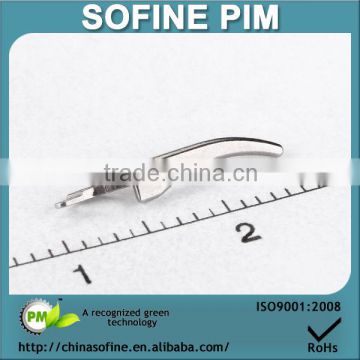 Surgical Dressing Forceps For Wholesale Different Types Of Clampers By MIM ProcessUS$ 0.1 - 5MOQ: 1000 PiecesProperties: Other, Medical Materials & AccessoriesType: Other, Surgical SuppliesBrand Name: OEM Surgical Dressing ForcepsModel Number: 287 Surgical Dressing ForcepsNingbo Sofine Electric Co., Ltd.
 7.5*7.5cm Disposable Non-woven Gauze Swab Makeup Removal Cotton Surgical DressingsUS$ 2.63 - 2.99MOQ: 1000 BagsBrand Name: GrandyPlace of Origin: ChinaModel Number: 7.5*7.5cmHefei Gelandi WeiShengCaiLiaoYouXianGongSi
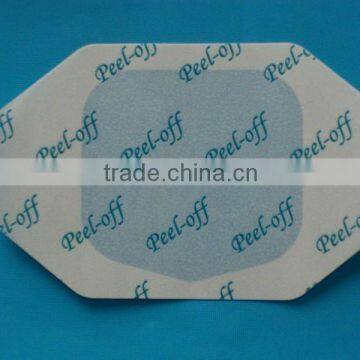 Surgical DressingNegotiableMOQ: 2000 PiecesProperties: Other, Medical Adhesive & Suture MaterialType: Other, Medical AdhesiveBrand Name: cheerain or OEMModel Number: Any typeShandong Cheerain Medical Co., Ltd.
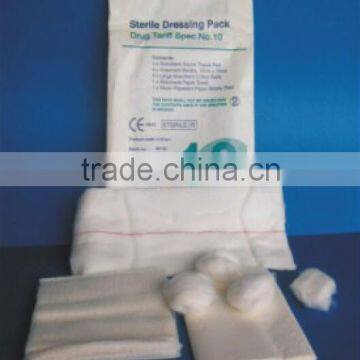 Surgical DressingNegotiableMOQ: 1Properties: Other, Medical Adhesive & Suture MaterialType: Other, Medical AdhesiveBrand Name: UgaiyaModel Number: VariousChengdu Fulcare Technology Co., Ltd.
 Silk Surgical Dressing TapesUS$ 0.025 - 1.5MOQ: 1000 BoxesProperties: Other, Medical Materials & AccessoriesType: Other, Surgical SuppliesBrand Name: YN & OEMModel Number: YNHangzhou Yoniner Pharmaceutical Co., Ltd.
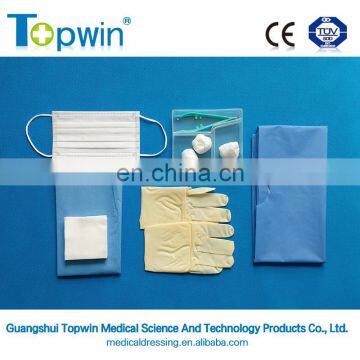 Basic Surgical Dressing SetUS$ 1.5 - 1.5MOQ: 20000 PiecesProperties: Other, Medical Materials & AccessoriesType: Other, Dressings and Care For MaterialsBrand Name: TOPWINModel Number: 61324Guangshui Topwin Medical Science And Technology Products Co., Ltd.
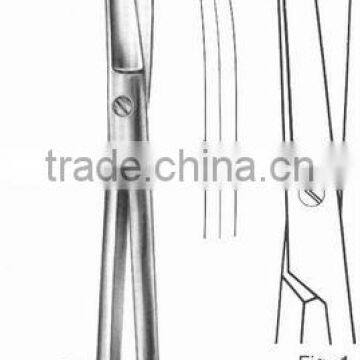 Surgical Dressing ScissorsNegotiableMOQ: 100 UnitsProperties: Neurosurgery InstrumentsType: ScissorsModel Number: LIF-SGs01Place of Origin: PakistanLamron International
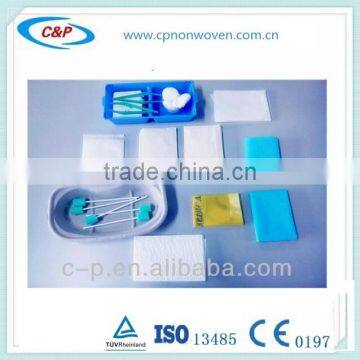 Medical Surgical Dressing PackUS$ 3.5 - 6.29MOQ: 1000 PiecesProperties: Other, Medical Materials & AccessoriesType: Other, Surgical SuppliesBrand Name: C&PModel Number: 91103Hefei C&P Nonwoven Products Co., Ltd.
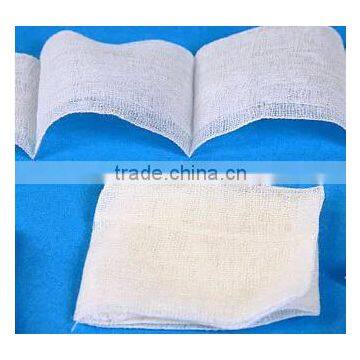 Gauze Swabs Surgical DressingNegotiableMOQ: 100000 PiecesPlace of Origin: Jiangsu, ChinaNantong Mansa Trade Co., Ltd.
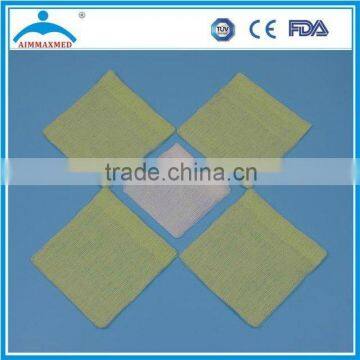 Gauze Swabs Surgical DressingUS$ 0.01 - 0.05MOQ: 100000 PiecesProperties: Other, Medical Materials & AccessoriesType: Other, Dressings and Care For MaterialsBrand Name: AIMMAXModel Number: GS10202Wuhan Aimmax Trade Co., Ltd.
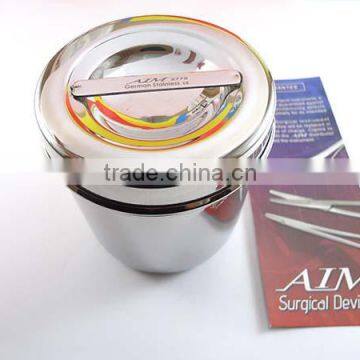 Surgical Dressing JarsUS$ 2 - 3MOQ: 10 PiecesType: Other, Surgical Dressing JarsBrand Name: AIMModel Number: A-2775Place of Origin: PakistanAim Surgical Devices
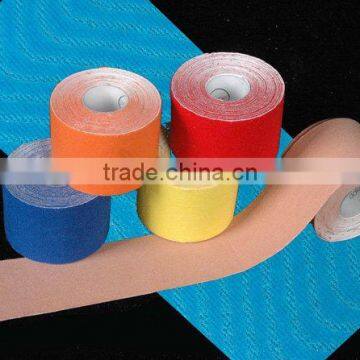 Surgical Dressing Elastic BandageNegotiableMOQ: 10000 RollsProperties: Other, Medical Materials & AccessoriesType: Other, Dressings and Care For MaterialsBrand Name: saintyModel Number: 1.25cm*9.14m/1.5cm*9.14m ectSainty International Group Jiangsu Yangzhou Sumex Imp. & Exp. Co., Ltd.
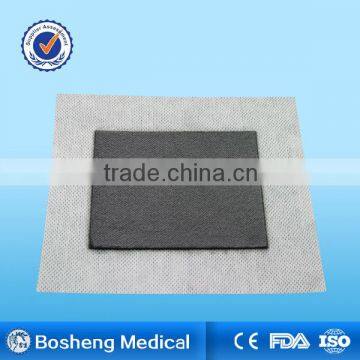 Surgical Dressing for Damaged SkinUS$ 0.65 - 1.4MOQ: 5000 PiecesProperties: Other, Medical Adhesive & Suture MaterialType: Other, Medical Absorbable SutureBrand Name: BoshengPlace of Origin: ChinaNingbo Bosheng Medical Technology Co., Ltd.
 Surgical Dressing ForcepsNegotiableMOQ: 1000 PiecesProperties: The Basis of Surgical InstrumentsType: Tweezers,Clip,PincersBrand Name: OEMModel Number: OH-SS040Shenzhen Otto Medical Co., Ltd.
 Surgical Dressing ScissorsNegotiableMOQ: 5 SetsProperties: The Basis of Surgical InstrumentsType: ScissorsBrand Name: MEDFLAIRPlace of Origin: PakistanMedflair Instruments Co
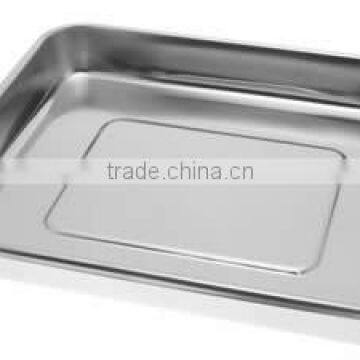 Surgical Dressing TraysNegotiableMOQ: 50 PiecesProperties: The Basis of Surgical InstrumentsType: Other, HollowareBrand Name: JAJJAY SURGICALModel Number: JSC-20003Jajjay Surgical Company
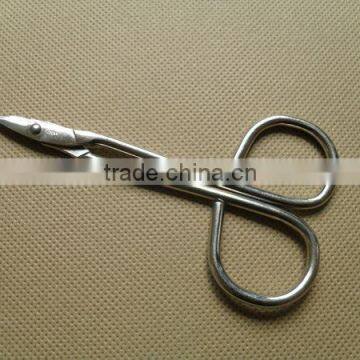 Surgical Dressing ScissorsNegotiableMOQ: 3000 PiecesBrand Name: handsuModel Number: 2859Place of Origin: Guangdong, ChinaYangdong Sunsky Hardware & Plastic Products Factory
 Cheap Wholesale Surgical DressingUS$ 0.1 - 0.5MOQ: 1Properties: Other, Medical Materials & AccessoriesType: Other, wound dressing or wound careBrand Name: LongbowModel Number: BRG35Foshan Longbow First Aid Products Co., Ltd.
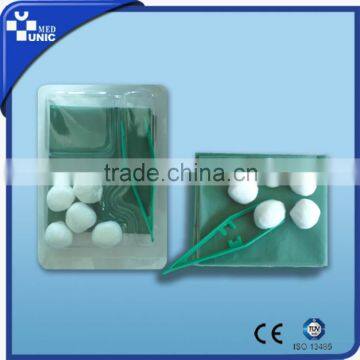 Medical Surgical Dressing PackUS$ 0.3 - 0.45MOQ: 1000 SetsProperties: Other, Medical Materials & AccessoriesType: Other, Dressings and Care For MaterialsBrand Name: UNICMEDModel Number: um120414Ningbo Hi-Tech Unicmed Imp.&Exp. Co., Ltd.
 Disposable Types of Surgical DressingsUS$ 7.2 - 8.2MOQ: 1 CartonProperties: Other, Medical Adhesive & Suture MaterialType: Other, Medical AdhesiveBrand Name: HDTModel Number: 100*200mmZhengzhou Hongdetang Health Industry Co., Ltd.
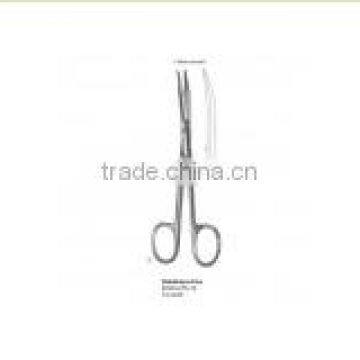 Surgical Scissor,Surgical Dressing ScissorsUS$ 2 - 5MOQ: 15 UnitsProperties: The Basis of Surgical InstrumentsType: ScissorsBrand Name: jackbillyModel Number: DC03-275-13Jackbilly Enterprises
 Combined Dressing Pads / Surgical DressingUS$ 0.01 - 0.056MOQ: 50 CartonsProperties: Other, Medical Adhesive & Suture MaterialType: Other, Medical AdhesiveBrand Name: GoodcareModel Number: GW-5011Dalian Goodwood Medical Care Ltd.
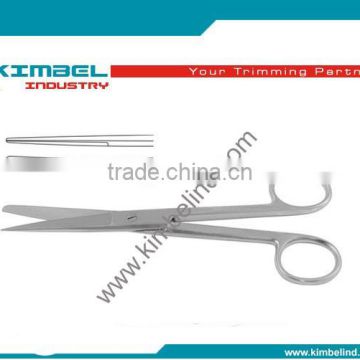 Surgical Dressing Scissor Sharp/bluntNegotiableMOQ: 500 PiecesProperties: The Basis of Surgical InstrumentsType: ScissorsBrand Name: KIMBELModel Number: KI-13-1222Kimbel Industry
 Buyer submitted an RFQ for { XL-A240 } CE qualified best selling surgical dressing scissors2025-11-15 15:11:24
 Buyer negotiating terms for Well-ventilated, ageing-resistant agricultural pp non woven fabric For surgical dressing2025-11-15 16:37:01
 Procurement Lead requested a quote for Medical 4ply gauze bandage surgical dressing2025-11-12 09:28:53
 Purchaser verified certifications for PE breathable film machine for surgical dressings2025-11-13 20:54:48
 Importer is sourcing General Surgical Dressing Scissors Standard Type for Wound Edges Medical Instruments2025-11-14 18:35:19
 Disposable Surgical Dressing Instrument SetUS$ 0.01 - 0.1MOQ: 5000 PiecesProperties: Other, Medical Materials & AccessoriesType: Other, Dressings and Care For MaterialsBrand Name: Greetmed OEMModel Number: GT095-305 dressing instrument setNingbo Greetmed Medical Instruments Co., Ltd.
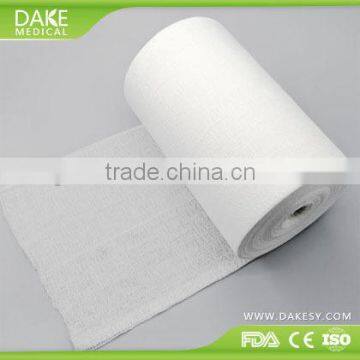 Surgical Dressing Manufacturer Gauze RollUS$ 1 - 10MOQ: 5000 UnitsProperties: Other, Medical Materials & AccessoriesType: Other, Dressings and Care For MaterialsBrand Name: DakeModel Number: DK-SBJNanjing Dake Industry Co., Ltd.
 Antibacterial Agent for Surgical Dressing and BedsheetUS$ 50 - 60MOQ: 20 KilogramsPlace of Origin: Shanghai, ChinaUsage: Leather Auxiliary AgentsBrand Name: HuzhengModel Number: AGS-F-1Shanghai Huzheng Nano Technology Co., Ltd.
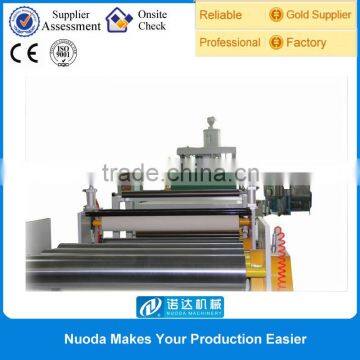 Apertured Spunlace Nonwoven for Surgical DressingUS$ 76,000 - 165,000MOQ: 1 SetCondition: NewApplication: FilmPlastic Processed: PEScrew Design: Single-screwQuanzhou Nuoda Machinery Co., Ltd.
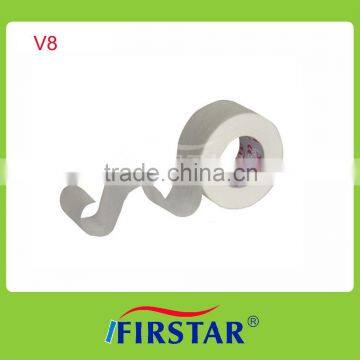 Medical Surgical Dressing for Wound CareUS$ 0.1 - 0.5MOQ: 5000 PiecesProperties: Other, Medical Adhesive & Suture MaterialType: Other, Medical Adhesive, Surgical suppliesBrand Name: Fusemed/OEMModel Number: V8Firstar Healthcare Co., Ltd. (Guangzhou)
 Medical Surgical Dressing Surgery GownUS$ 2.9 - 3MOQ: 1000 BagsProperties: Other, Medical Materials & AccessoriesType: Other, Surgical SuppliesBrand Name: JiaHongModel Number: JH-003Xiantao Jiahong Protection Product Limited Company
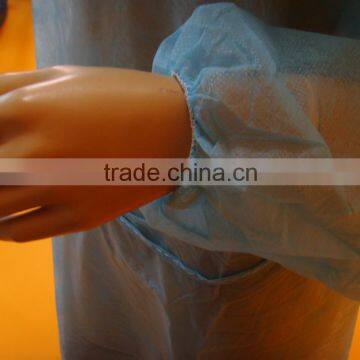 Disposable Surgical Isolation Gown, Disposable Surgical DressNegotiableMOQ: 5000 PiecesPlace of Origin: ChinaHubei Joy Bone Medical Products Co., Ltd.
