Fuel Pump Insights & Buyer's Guide
The fuel pump is an essential part of your vehicle’s fuel system. It makes sure that fuel flows from the gas tank to the engine. A working fuel pump guarantees smoother operation of the vehicle and better fuel efficiency. In contrast, a bad pump can lead to fuel wastage, diminished vehicle performance, and other problems. If you are looking for information regarding fuel pumps—whether you want to fix a broken one or simply understand its role in your vehicle—this guide has got you covered.
What are the Symptoms of a Bad Fuel Pump in Your Vehicle?
How does a faulty fuel pump affect vehicle performance?
Problems with the fuel pump will impact the performance of your vehicle substantially. Sudden engine sputtering and misfiring can stem from the inconsistent fuel delivery, and in some cases, if the engine is provided insufficient fuel, it may even stall. Besides reduced efficiency and increased fuel consumption, your vehicle might also show stressful signs during acceleration, especially when climbing steep hills or driving in mountainous areas while heavily loaded. These symptoms of a bad fuel pump bring a further message that the repair or replacement should be done as soon as possible, or else face the risk of being stranded on the side of the road.
What noises indicate a bad fuel pump?
A malfunctioning fuel pump frequently makes specific sounds that could serve as alert signals. A whining or humming noise emanating from the fuel tank is one of the most common indicators. This noise usually accompanies attempts to deliver fuel or as the pump begins to fail. Sometimes, a clogged fuel filter will also make the pump behave abnormally as it tries to push fuel through the clog. Actively listening for those clues can help you notice a problem that could be dealt with very easily and has the possibility of preventing major repairs down the line.
How to diagnose a faulty fuel pump?
Diagnosing a faulty fuel pump involves several checks and reservations. Begin diagnosis by checking the fuel pressure using a fuel pressure gauge. Insufficient pressure could signal the pump’s malfunction or a clogged filter. Also, check the fuel filter for any blockages or deposits. Examine the electrical connections and wiring to the pump, as any damage can disrupt the pump’s operation. Consider professional service centers for thorough diagnostic tests and recommended solutions.
How to Repair or Replace a Faulty Fuel Pump?
Steps to safely replace a fuel pump assembly
Replacing a fuel pump assembly is as much a safety consideration as it is a mechanical one. To start, relieve the fuel system pressure to avoid any fuel spraying during the repair. Also, disconnect the battery to remove any potential electrical risks. Now, proceed to the fuel pump; this is usually located inside the fuel tank. If the fuel tank needs to be removed, do so, then detach the old pump assembly. Put the new fuel pump in, making sure all fittings are tight and there is no leakage. Reassemble the fuel tank and reconnect the battery. Lastly, check fuel pressure several times after installation to verify the new pump is working properly.
Difference between OEM replacement and aftermarket options
When replacing a fuel pump, you can select OEM (Original Equipment Manufacturer) parts or aftermarket. OEM replacements maintain the original integrity of the vehicle’s parts and fittings, hence ensuring high compatibility and reliability. Aftermarket options, on the other hand, tend to be more affordable and at times, can even enhance performance. While quality and warranty policies are generally more favorable with OEM parts, aftermarket replacements tend to be more flexible with these terms. In the end, versatility with aftermarket parts comes at a cost due to inconsistencies in quality. Flexibility with aftermarket parts comes at a cost due to inconsistencies in quality.
When should you consider a fuel pump upgrade?
A fuel pump upgrade might be necessary to improve your vehicle’s performance, or if an existing pump can't keep up with a modified engine's demands. Higher-performance fuel pumps provide increased fuel pressure and flow rates, which help deliver more and improve horsepower. Consider getting an upgraded fuel pump if there are persistent performance issues or if you're looking to upgrade the engine capabilities. Pumps are also beneficial for vehicles in extreme conditions or damage-prone high-performance scenarios.
How Does a Fuel Pump Work in the Fuel System?
Role of the fuel pump in delivering fuel to the engine
The fuel pump is essential for supplying the engine with fuel. It pulls fuel from the gas tank and sends it through the fuel lines to the injectors, maintaining the optimal pressure necessary for precise combustion. For the engine to work well, the combustion must be efficient and free of misfires, optimal combustion, and overall fuel economy. Without adequate fuel pressure supplied by the pump, the engine's fuels have to undergo proper combustion, thus performance would fuel economy are compromised. The engine suffers from damage and decreased efficiency.
How does the fuel filter impact pump efficiency?
The fuel filter, as part of the automated fuel system, works in unison with the fuel pump to guarantee that clean fuel is supplied to the engine. It captures contaminants that may interfere with the fuel system and potentially inflict damage to the pump or engine. With a clean filter, the pump can achieve optimum efficiency and maintain consistent fuel pressure, which minimizes the strain placed on the pump. Periodic inspection and replacement of the filter is important to ensure that the pump and the engine perform efficiently and effectively.
Common issues with electric fuel pumps
Even though electric fuel pumps are dependable, there are several issues one can encounter with oil pumps. Electric fuel pumps can suffer overheating due to insufficient cooling or excessive use, burnt-out wiring, or bad connections. Pumps that experience overheating due to a lack of cooling or excessive demand can experience failure. Lack of maintenance can result in clogged fuel filters, leading to unnecessary pump wear. These issues can be avoided with proper and timely maintenance, as well as maintaining electric fuel pump standards. Fuel filter maintenance will also aid in pump performance.
What are the Benefits of Regular Fuel Pump Maintenance?
How can you improve fuel efficiency with regular checks?
Routine care of your vehicle's fuel pump and its associated parts can increase your vehicle's fuel efficiency. Preventing the engine from working harder than it needs to by keeping the pump and filter clean ensures optimal fuel pressure is achieved. This reduces vehicle emissions, enhances fuel economy, smoother driving, and emissions. Routine maintenance enables prompt identification of potential vehicle issues, allowing timely repairs before costly breakdowns occur.
Preventing damage and ensuring fuel pressure consistency
Constant fuel pressure is critical in maintaining the operation of your engine. Regular servicing prevents fuel pump and other system part failures by inspecting the entire system for leaks and blockages. Maintaining cleanliness within the fuel system effectively helps eliminate inconsistent repartitioning of fuel and subsequent performance challenges. Simple steps like confirming proper positioning of fittings, no leaks, and other checks can extend the life span of the fuel pump while improving the overall reliability of the vehicle.
Importance of checking the fuel tank and filter regularly
The fuel tank and filter form an essential part of the entire system and often need to be checked and serviced. Inspections of the lower portion of the fuel tank can help in checking for any damage, rust, or leaks, which could allow harmful foreign particles to enter. Furthermore, to ensure a protective clean flow of fuel, replacing the fuel filter on a schedule will protect the pump and engine from fuel flow damage. Preventive maintenance can reduce the possibility of complications arising while ensuring vehicles are operating under exceptional conditions to reduce the likelihood of failure.
Frequently Asked Questions(FAQs)
Q: What are the signs of a failing fuel pump?
A: Common signs of a failing fuel pump include a whining noise from the fuel tank, difficulty starting the engine, sudden surges in power, and decreased fuel efficiency. A damaged fuel pump may also cause your vehicle to stall unexpectedly.
Q: Can a faulty pump affect my vehicle's ignition?
A: Yes, a faulty pump can cause issues with your vehicle's ignition. If the fuel pump is not providing a consistent flow of fuel to the engine, it can prevent the engine from starting or cause it to run poorly.
Q: Is it safe to drive with a worn-out fuel pump?
A: Driving with a worn-out fuel pump is unsafe as it can cause your vehicle to stall or leave you stranded. It's important to address fuel pump issues promptly to keep your car running smoothly.
Q: How does temperature affect a fuel pump's performance?
A: Extreme temperature conditions can affect a fuel pump's performance. High temperatures can cause overheating, while low temperatures can lead to fuel thickening, both of which can strain the pump and cause it to fail.
Q: What is the role of an accessory fuel pump?
A: An accessory fuel pump is used to provide additional fuel pressure in high-performance vehicles or applications requiring a wide range of fuel flow. It helps ensure the engine receives adequate fuel under demanding conditions.
Q: Can a generic fuel pump be a reliable part for your vehicle?
A: While generic fuel pumps are often more affordable, they may not always offer the same level of reliability and durability as brand-specific parts. It's essential to research and choose a generic pump that has positive reviews and meets your vehicle's requirements.









 Contact Platform Support
 Help Center
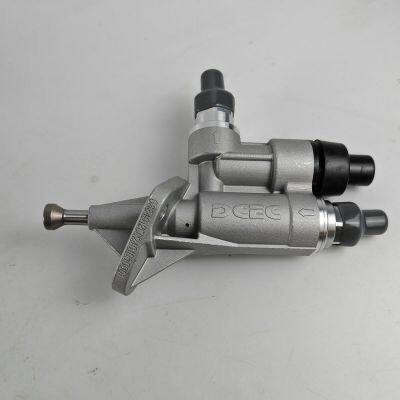 6BT 5334912 Fuel PumpUS$ 40.00 - 45.00MOQ: 1 Piecewarranty: 3 monthsweight (kg): 3video outgoing-inspection: Providedmachinery test report: ProvidedHunan Shanbuzhuanshuizhuan Power Technology Co.,Ltd
 1 Yr
1 Yr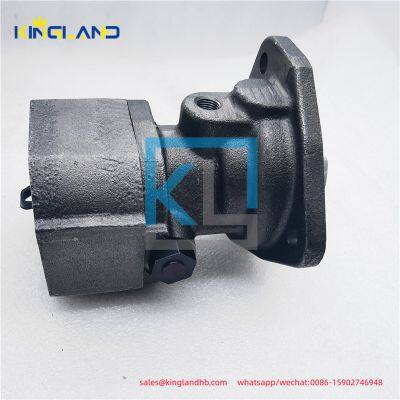 Engine S60 Fuel Pump 23537686 Fit For DetroitUS$ 49.3 - 96.4MOQ: 12 PiecesType: Other, VALVEApplication: ExcavatorCondition: NewHubei Kingland Industrial Co., Ltd.
 Diesel Engine Parts 914 Engine Fuel Pump 04233878 for Deutz EngineUS$ 20.00 - 25.00MOQ: 1 Unitwarranty: 3 Monthsweight (kg): 5Jining Pinbo Import And Export Co.,ltd.
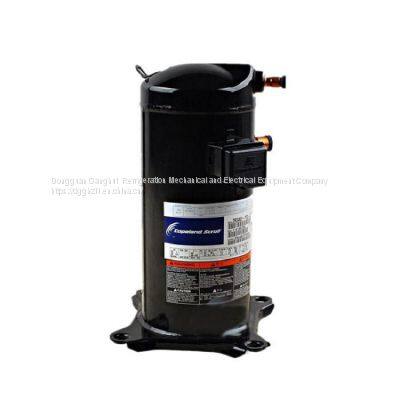 COPELANDHeat Pump Vortex Compressor ZW61KSE-TFP-522 Water Heater Fuel BoilerUS$ 300 - 800MOQ: 1 PieceBrand Name: copelandPlace of Origin: ArmeniaModel Number: ZW61KSE-TFP-522 water heater fuel boilerCertification: CEDongguan Shun Chi Mechanical And Electrical Equipment Co. , Ltd.
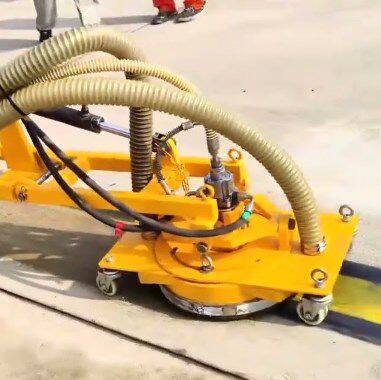 RELIABLE Machinery 2000bar High Pressure Triplex Piston Pump Road Marking Removal Water Jetting Machine Diesel Fuel Clean Use NewUS$ 19000.00MOQ: 1 SetCertification: CEmachine type: HIGH PRESSURE CLEANERcondition: Newplace of origin: shenyang, ChinaShenyang Reliable Technology Co., Ltd.
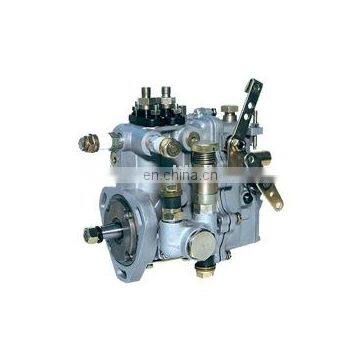 Fuel PumpUS$ 5.00 - 15.00MOQ: 50 PiecesPlace of Origin: Shandong, ChinaModel Number: double or multi-cylinderType: Fuel PumpLiaocheng Yitong Diesel Parts Co., Ltd.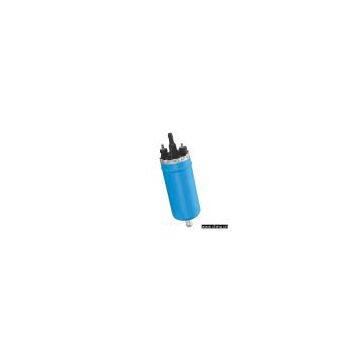
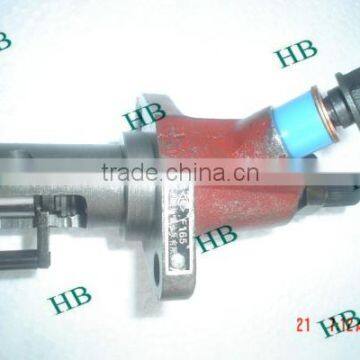 Fuel PumpNegotiableMOQ: 1Type: Fuel PumpPlace of Origin: Jiangsu, ChinaModel Number: F165Brand Name: HBJiangsu Sihong Fuel Injection Equipment Co., Ltd.
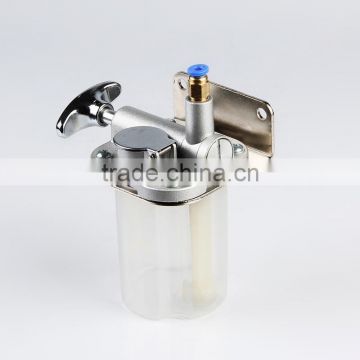 Fuel PumpUS$ 6.25 - 8.1MOQ: 10 PiecesPlace of Origin: Zhejiang, ChinaBrand Name: MR-HL03LModel Number: MR-HL03LTheory: Electromagnetic PumpNingbo Mingrui Sensors Co., Ltd.
 Fuel PumpsUS$ 301 - 800MOQ: 1 SetType: Diesel EngineNo. of Cylinders: 6 CylinderPower: noDisplacement: noTaian Xingzhou Experimental Equipment Co., Ltd.
 Fuel Pump,Electrical Fuel PumpNegotiableMOQ: 100 PiecesBrand Name: ACHRPlace of Origin: ChinaModel Number: EFP360804GHui Run Electrial Machinery Co.,Ltd.
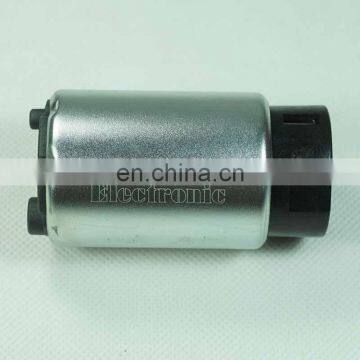 Car Fuel Pump Fuel Pump/auto Fuel Pump for 23220-21132US$ 0.1 - 3MOQ: 10 SetsBrand Name: ORIGINALPlace of Origin: ChinaModel Number: 23220-21132Type: Fuel PumpDodge Auto Parts Fuel Injector Trade Co., Ltd.
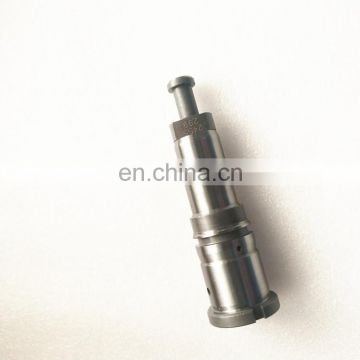 Diesel Fuel Pump Plunger 2418455299 for Fuel PumpUS$ 2 - 5MOQ: 1 PieceBrand Name: DCECPlace of Origin: Hubei, ChinaWarranty: 6 MonthsDsengineparts
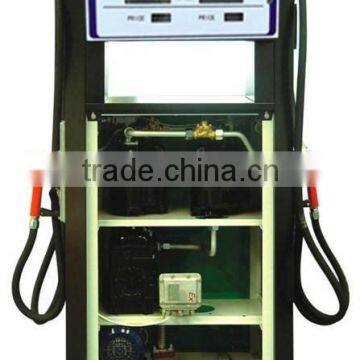 Fuel Pump, Electric Fuel Pump, Gas DispenserNegotiableMOQ: 1 UnitPlace of Origin: Shanghai, ChinaBrand Name: cowellModel Number: CWK50J212Structure: Gear PumpShanghai Cowell Machinery Co., Ltd.
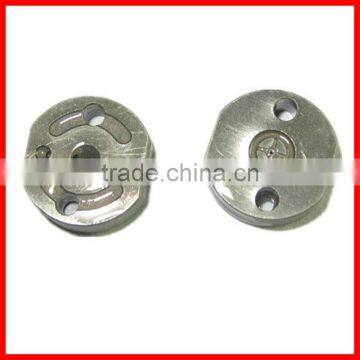 Diesel Fuel Pump PartsUS$ 1 - 300MOQ: 1 PieceType: Fuel Injection PUmpSize: StandardCar Make: BMW, VW, CAT,MITSUBISHIOE NO.: 146406-0620Hubei Fotma Machinery Co., Ltd.
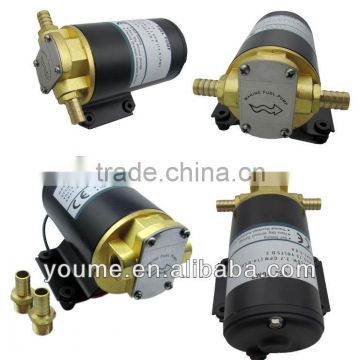 Singflo Fuel Pump GearUS$ 20 - 80MOQ: 1 PiecePlace of Origin: Fujian, ChinaBrand Name: SingfloModel Number: 12DC oil pumpTheory: Electromagnetic PumpXiamen Youme Electric Co., Ltd.
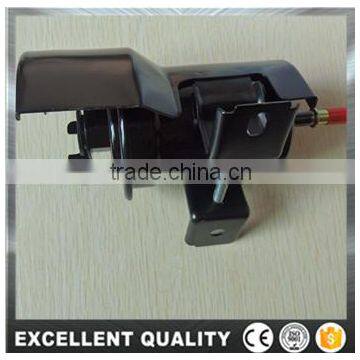 Fuel Pump With Outstanding 2330066050US$ 1 - 15MOQ: 10 PiecesType: Other, Fuel Pump, fuel pump assySize: Standard size, standardCar Make: carOE NO.: 2330066050Guangzhou Fengming Auto Parts Co., Ltd.
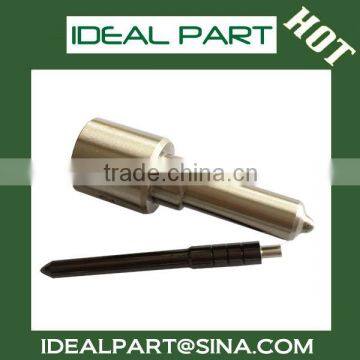 DLLA158P854 Fuel Pump NozzleUS$ 14 - 15MOQ: 100 PiecesType: Injector NozzleSize: DLLA158P854 fuel pump nozzleCar Make: DLLA158P854 fuel pump nozzleOE NO.: DLLA158P854 fuel pump nozzleYuyao Ideal Auto Part Co., Ltd.
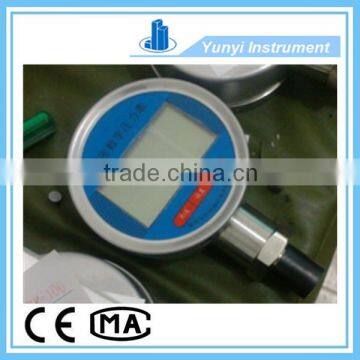 Digital Fuel Pump PressureUS$ 100 - 300MOQ: 1 UnitPlace of Origin: Shaanxi, ChinaBrand Name: YunyiModel Number: YK-100Xi'an Yunyi Instrument Co., Ltd.
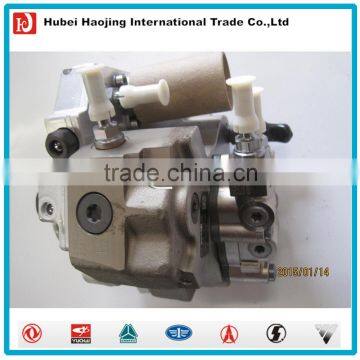 ISF Fuel Pump 5264248US$ 1 - 50MOQ: 1 PieceType: Fuel PumpSize: STDCar Make: Dongfeng truckOE NO.: Fuel PumpHubei Haojing International Trade Co., Ltd.
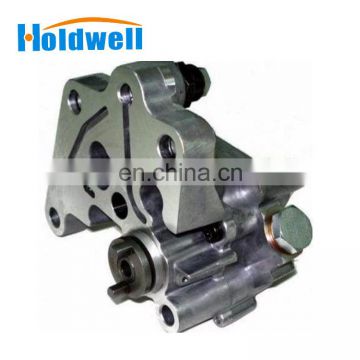 Volvo Fuel Pump 20769469US$ 1 - 100MOQ: 1 PieceBrand Name: OEMPlace of Origin: Zhejiang, ChinaModel Number: 20769469Hangzhou Holdwell Mechanical And Electrical Co., Ltd.
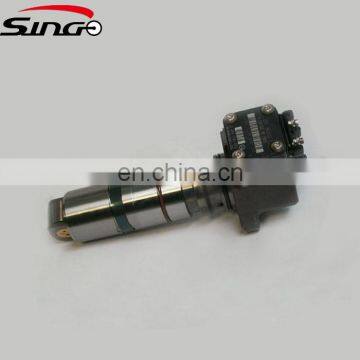 Injector Fuel Pump 0986445002US$ 235 - 250MOQ: 1 PieceModel Number: 0986445002Hangzhou Singo Mechanical & Electrical Co., Ltd.
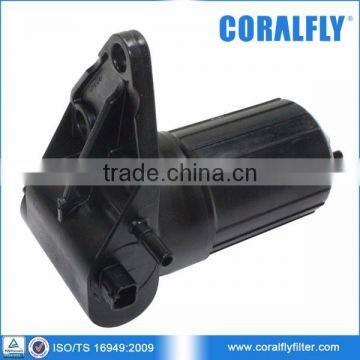 Diesel Fuel Pump ULPK0039US$ 1.9 - 15MOQ: 50 PiecesType: Fuel PumpSize: Standard Size, Standard SizeCar Make: Diesel EngineOE NO.: ULPK0039Guangzhou Coral Machinery Co., Ltd.
 Purchaser placed an order for best quality diesel fuel pump2025-11-15 04:32:36
 Buyer negotiating terms for Water - Proof Automotive Fuel Pumps2025-11-16 06:24:10
 Operations Head requested specs for Hot sell Motorcycle electric fuel pump2025-11-15 23:27:33
 Business Owner requested specs for customized fuel pump from china2025-11-12 12:32:39
 Purchasing Director is sourcing hyundai Equus / Centenial Fuel Pump2025-11-13 18:51:03
 Procurement Lead is sourcing naphtha reduced pressure distillation tester/Fuel Pump vacuum gas Pressure Tester2025-11-15 14:09:18
 Purchaser placed an order for Bico Fuel Pump Injector Nozzle DSLA156P736 (0433175563) Fuel Injector Repair Kit F00VC01001 For 0445110009 0445110010 04451100112025-11-14 04:23:18
 Procurement Specialist placed an order for Saipwell Fuel Pump Relay Safety Relay2025-11-14 22:21:57
 Operations Head verified certifications for fuel pump diesel cleaning machine by ultrasonic2025-11-16 04:01:53
 Procurement Lead is sourcing High Quality Fuel Pump Assembly FH210972025-11-12 17:54:51
 Buyer placed an order for Low price hot selling auto parts cx85100 fuel pump filter2025-11-12 09:50:04
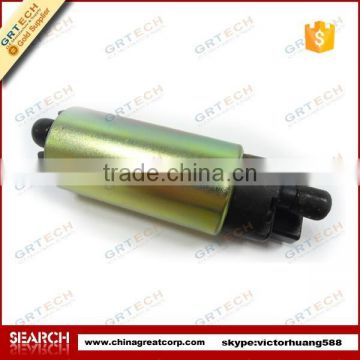 Fuel Pump Assembly for ToyotaUS$ 4.5 - 6.5MOQ: 1000 PiecesType: Fuel PumpSize: StandardCar Make: ToyotaOE NO.: fuel pump assemblyJiangsu Great Industrials (Group) Corp. Ltd.
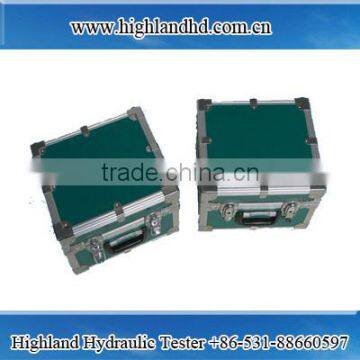 MYHT Fuel Pump TesterUS$ 1,400 - 2,600MOQ: 1 SetPlace of Origin: Shandong, ChinaBrand Name: HighlandModel Number: MYHT-1-2/4/5/7Power: HydraulicJi'nan High Land Hydraulic Pump Co., Ltd.
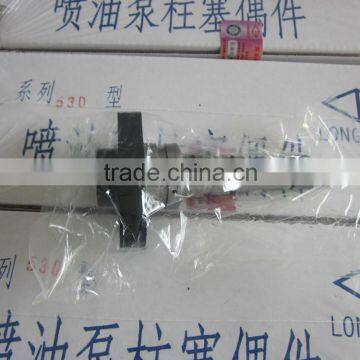 P530 PLUNGER FOR Fuel PumpNegotiableMOQ: 6 PiecesType: Plunger Barrel AssemblyCar Make: Auto Testing MachineOE NO.: P530Place of Origin: ChinaTaian Haiyu Machinery Co., Ltd.
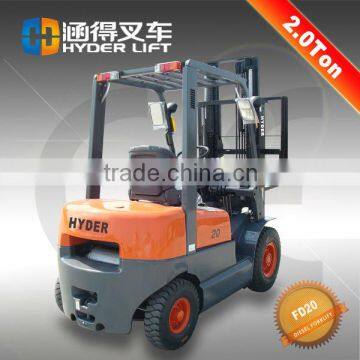 Forklift With Fuel PumpUS$ 6,000 - 14,000MOQ: 1 SetCondition: NewPlace of Origin: Shanghai, ChinaBrand Name: HyderModel Number: FD20Shanghai Hyder Industry Co., Ltd.
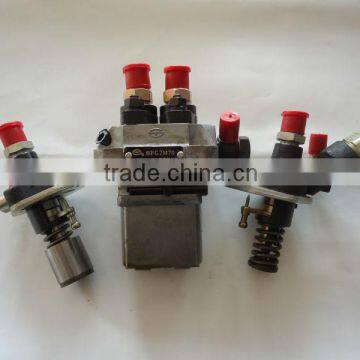 Diesel Fuel PumpUS$ 10 - 20MOQ: 50 PiecesType: Fuel Injection PUmpPlace of Origin: Zhejiang, ChinaNingbo Shuntian Fuel Injection Equipment Co., Ltd.
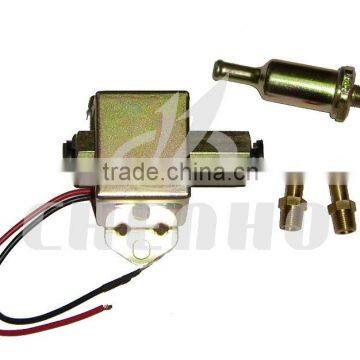 For Facet Red Top Diesel Fuel Pump,40105 Electric Fuel PumpUS$ 1 - 20MOQ: 100 PiecesType: Fuel PumpSize: StandardCar Make: Facet Red TopOE NO.: 40105Ruian Chenho Auto Electronic Co., Ltd.
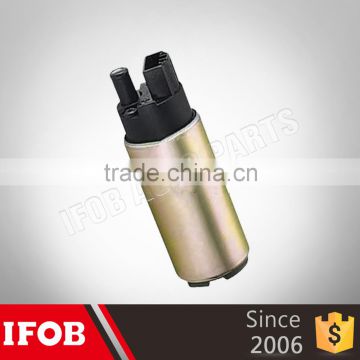 IFOB Fuel Pump 23221-22030 1NZFE Toyota Fuel Pump For YARISUS$ 3 - 30MOQ: 100 PiecesType: Fuel PumpSize: StandardCar Make: For CarOE NO.: 23221-22030Guangdong IFOB Automobile Technology Co., Ltd.