Anthracite Filter Media Insights & Buyer's Guide
The rising demand for clean and safe water has made it imperative to devise new filtration strategies. When it comes to water treatment, one of the most durable, effective, and cutting-edge solutions for a filter bed is anthracite filter media. The purpose of this post is to discuss the importance of anthracite in water treatment by highlighting its efficient properties and why it is preferable over other filtering materials. Both industrial experts and domestic end-users who engage in the improvement of their water systems should be aware of the need and importance of anthracite filter media for appropriate filtration applications. Welcome to the world of anthracite, a new dimension that every typical consumer will find fascinating in improving their water treatment practices.
Introduction to Anthracite Filter Media
What is Anthracite Filter Media?
A widely used material for water treatment systems is Anthracite filter media due to its mechanical and chemical qualities. This material is crushed from hard anthracite coal, a high-carbon material with few impurities. Due to its high-carbon content, anthracite filter media is the preferred material for use in applications requiring tough and efficient materials. In water filtration systems, anthracite media is mainly employed in the removal of debris, sediments, and organic material for the purpose of producing cleaner and safer drinking water. In the water treatment industry, anthracite filter media is preferred because it performs efficiently in both domestic and industrial processes, handling elevated pressure and contaminant loads without problems. Further, anthracite media is included in the configuration of multimedia filters in that they operate together with other modes of filtration, such as sand and gravel, in order to improve the process of filtration and ensure the health safety of the water produced.
Key Properties of Anthracite
The anthracite filter media have several useful properties that enhance their efficacy and use in water purification. Firstly, anthracite has a high carbon content, which improves its filtering efficacy and also provides good durability for a wide range of use cases. The hardness of the anthracite is also essential because it ensures protection against wear and tear, an important component of any filtration process that lasts a long time. Further, the larger sizes in anthracite as opposed to other filtering materials, e.g., sand or activated charcoal, make it possible to use a higher service flow rate, thus reducing costs unjustifiably and increasing productivity. In areas where high pressure is common, this feature tends to be the most critical as it allows the media to carry high volumes of contaminants without loss of filtration capability. Even in cleaning operations, water and energy consumption are significantly reduced due to the lower backwashing requirement of the anthracite media, which is one of its many economic and ecological advantages.
Comparison with Other Materials for Filtration
Taking into account the benefits of anthracite filter media over other frequently used materials for filtration, for example, sand, activated carbon, and garnet, there are specific advantages that are clearly noticeable. Examining these advantages allows firms to gauge which media will help achieve which objectives and structure the design and operation of the water treatment plants. Among some of the most important advantages of using anthracite filter media are the following:
While sand filtration usually involves small sand particles sufficient for physical filtration and hence preventing backwashing, anthracite medium consists of larger-sized particles that promote higher service flow rates and reduced frequency of backwash, hence reduced downtime and increased efficiency of water treatment processes.
Anthracite vs Activated Carbon that is Anticipated, which is relatively cheaper and provides the same with regard to filtration, would be the preferred option for a majority of people.
Unlike greensand, anthracite material is more durable and has no less strength for high-pressure applications. Other materials may change or break down over time, while greensand does not overstate its purpose.
Benefits of Anthracite Filter Media
Efficiency in Water Filtration
Due to its prominent ability to upgrade the performance of water filtration systems, anthracite filter media is widely accepted in many applications, from municipal ones to industrial ones. The remarkable filtration abilities of anthracite can be associated with the physical and chemical structure of the material, which enables operation of service flow at a higher rate as opposed to others, such as sand or activated carbon. Because having a higher service flow means that less energy is needed in pushing water through the filter element, this contributes towards lower costs of running the system. On a wholesale acquisition, anthracite is favored due to overweight body and the presence of substantially large carbon content, which allows water to be cleared out perfectly from any impurities and organic content, thanks to the particles. These features combined allow anthracite media to easily satisfy filtration requirements and, in most cases, supersede them, providing an effective and robust water treatment capability for organizations.
Longevity and Cost-Effectiveness
One of the advantages for any organization in the choice of filtering material is the longevity and, consequently cost cost-saving nature of anthracite filter media. The performance of anthracite is contributed to by the carbon concentration in it and the natural brittleness of anthracite coal, which resists wear and maintains the structure against chemicals. These qualities of anthracite assist in the safe use of the media for a prolonged period, where two or more water treatment systems, including high-pressure systems, can be utilized. In addition, less backwashing is required with anthracite water filters, hence water and energy usage are cut down significantly. Most of the companies manage to minimize the need for time and cost of maintenance by reducing the number of backwash cycles. The aforesaid benefits are redirected into enhanced performance of the filtration system.
Physical and Chemical Properties
The importance of anthracite filter media in water purification systems has a lot to do with its physical and chemical characteristics. Anthracite is one such material; its high carbon content is always found to be an advantage, being an excellent filter of trapped impurities in water. The strength of anthracite coal ensures that the bonding media is of acceptable strength at the maximum design velocities and does not wear out quickly, so as to perform effective filtration over time. The larger, coarse anthracite particles aid in achieving higher flow rates, which is important for rapid filtration or any other application where quality is not compromised. It is particularly needed in industrial and utility applications with a higher concentration of pollutants. It is also worth noting that anthracite is slick in multi-media filtration designs as it is able to be used in conjunction with other layers, such as a bed of sand and gravel, thereby enhancing its capabilities and addressing most, if not all, water treatment complications. All these make anthracite filter media applicable in several different types of filtration styles.
Applications of Anthracite in Water Treatment
Industrial Water Filtration
The use of anthracite filter media in heavy industries is justified by its effectiveness and long life span. Due to such features, it is usually relied upon when it comes to filtration of huge amounts of water under high pressure, as is the case in chemical industries, food manufacturing, among others. The presence of anthracite with a high degree of carbon enhances its performance in filtration processes, which is necessary in the removal of solids and organic pollution in effluents. Because of the relatively large size of the anthracite material compared to other alternative materials used for water filtration, such as sand or activated carbon, it can withstand a greater service flow rate, which limits the energy loss in the filtration process and consequently the running cost. In addition, the fact that anthracite media does not require much backwashing also means less water is used, and therefore, industries that are interested in cutting water operational costs find it an ideal and eco-friendly water filtering solution. With the use of anthracite filter media, industries are ensuring that sewage wastewater is handled effectively to adhere to the regulations and keep the environment safe.
Municipal Water Treatment
When it comes to the filtration of drinking water, anthracite is one of the most popular media used in the purification of urban water supply. This is due to its high percentage of carbon and its hardness, among other properties. Typically, municipal filters are made up of multiple layers of different types of filter media, including the use of anthracite and often sand and gravel, depending on the type of filtration. Such designs eliminate contaminants, sedimentation, and organic pollutants present in waters of different sources. Its high service flow rate, compared to other filtration materials, guarantees the optimized water treatment processes necessary for growing urbanizations and the consequent metropolitan lifestyles. Since the contrast moderation and the number of flows needed to conduct backwashes per session are low, there is a cost saving in spare parts and operations, which is one of the aims of water resource management in municipalities. The provision of safe drinking water to urban dwellers will not escalate the cost of operation nor ruin the environment because there is a strategic option to incorporate anthracite filter media into municipal water systems.
Improving Drinking Water Quality
In drinking water purification processes, the anthracite filter media proves to be quite efficient in both reducing safety issues and improving the aesthetic properties of the water. In particular, its high capacity of carbon and relatively higher size of the particles work well in obtaining the delicate particles, any undesired flavor and smell, and also the organic substances present in water, thereby making the water not only safe but pleasurable to drink. Anthracite has many abilities, both physical and chemical, that allow it to work well under high pressure, so that both a point-of-entry high-pressure device and a point-of-use water filter include it. Anthracite is one of the most common layers in these water multi-layer filtration systems; the anthropogenic water purification aims to improve the quality of the drinking water. Longevity and low required maintenance of anthracite media is also an added advantage since it provides an optimum and economical way to enhance the drinking water quality, suitable for residential as well as commercial purposes. In light of ever-increasing concerns about the quality of drinking water, anthracite filter media becomes an indispensable element in assuring the safety and cleanliness of water.
Frequently Asked Questions (FAQs)
What is anthracite filter media used for in water filtration?
Anthracite filter media is a popular material in the water filtration industry for removing undesirable substances from water. Municipal water supply and treatment systems and other industrial setups use this material and realize its potential in a variety of ways. Each of its special qualities makes it suitable for trapping particles more and for longer periods of time than all the other media. The density and overall size of the anthracite coal make it easy to use the material as a water source without viewers or functionality, which saves the costly operation of washing out the water. Various other companies provide this excellent type of anthracite filter media for meeting all the needs of filtration.
What are the benefits of anthracite filter media compared to other filtration media?
Anthracite filter media has a number of advantages, such as filtration excellence and longevity. This implies that water quality is enhanced even further compared to the conventional sand filters, owing to the large surface area of anthracite media. This is because its other physical features, such as size and density, help in reducing the need for backwashing, hence it is more effective. Moreover, this filter media is viable in different levels of water purification procedures, such as wastewater filtration. Providers usually stress the fact that they are cost-effective and also have better performance, and are more long-lasting than other materials.
How do I select the right size of anthracite filter media for my application?
Choosing the proper anthracite filter media size is case-specific since different applications require the removal of different sizes of contaminants. Standard anthracite coal media have different sizes starting from 1mm to 3mm; however, the dimensions may change depending on the system configuration and the speed of water flowing. For example, finer anthracite media works better for the elimination of smaller particles, while coarser grades allow the utilization of larger flow rates. This makes it wise to enquire from an anthracite filter media supplier on the most advisable size to use. It is important, however, to take note that the anthracite media should be used perfomatively with other media like sand and activated carbon.
What properties make anthracite filter media effective for filtration purposes?
Anthracite filter media works well due to its elevated content of carbon, density, and morphology among others. These features make it suitable for various water purification functions due to the ability of the media to absorb and entrap the suspended material. The design of the anthracite media helps to achieve higher flow rates with less tendency for clogging, thus increasing its life span in the filters. In addition, there is an explanation of how its chemical properties impede contamination of body fluids. Finally, filtration systems that use anthracite coal promise superior performance and reduced replacement needs.
Can anthracite filter media be used in conjunction with other materials?
Absolutely, anthracite filter media is commonly employed with other materials like carbon grains and sand to increase the performance of this process. This arrangement enables various physical barriers, each targeting different types of contaminants. As an example, anthracite coal may remove particles, larger in size, whereas activated carbon would extract organic chemicals to minimize taste and odor changes. A number of these advanced systems intend to incorporate those types of layers in order to maximize the efficiency of a treatment and minimize its cost. You can start by contacting a qualified vendor, as they will be able to advise you on the best solutions according to the capacity of your application.









 Contact Platform Support
 Help Center
 Anthracite Filter MediaNegotiableMOQ: 1 SetPlace of Origin: ChinaShanxi Xinghua Cun International Trading Co.
 5 Yrs
5 Yrs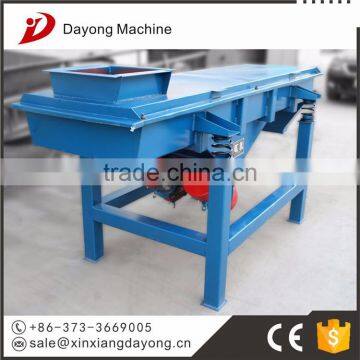 Anthracite Filter Media Vibration Sieve/separatorUS$ 2,000 - 6,000MOQ: 1 SetCondition: NewType: LinearApplication: Other, linear heavy vibration screen for ore, Granular, fine material,chemicals, food, agriculture etcPlace of Origin: Henan, ChinaXinxiang Dayong Vibration Equipment Co., Ltd.
 Filter Brushes Filter MediaUS$ 0.99 - 1.99MOQ: 1000 PiecesPlace of Origin: Guangdong, ChinaBrand Name: BrushQueenModel Number: Filter brushType: Industrial BrushGuangzhou Aoqun Brush Industry Co., Ltd.
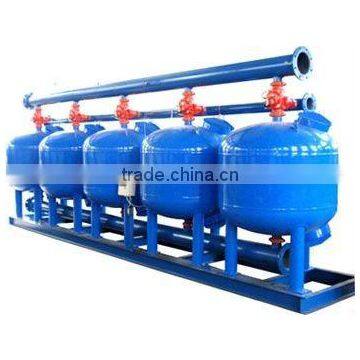 Quartz Sand Media FilterNegotiableMOQ: 1 StrandType: Other, Sand filterMedium Material: Other, stainless steelPlace of Origin: Beijing, ChinaBrand Name: AIGERBeijing Zhongyuantong Science And Technology Co., Ltd.
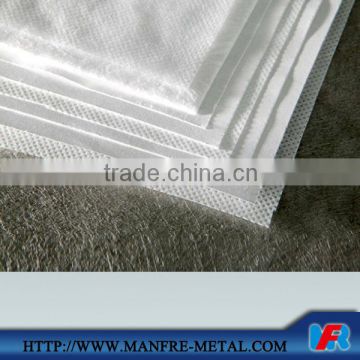 Dust Collector Filter MediaUS$ 10 - 150MOQ: 2 PiecesPlace of Origin: Hebei, ChinaBrand Name: ManfreModel Number: freeUsage: Liquid FilterShijiazhuang Manfre Metal Trade Co., Ltd.
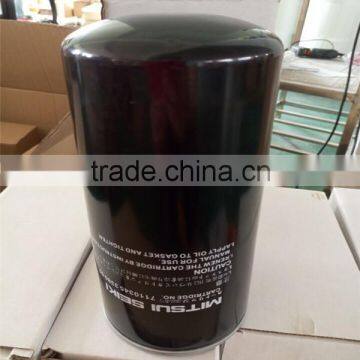 7111450355000 Filter Media for MITSUISEIKIUS$ 1.00 - 2.00MOQ: 10 PiecesCondition: NewType: Press FilterStructure: CartridgePlace of Origin: Guangdong, ChinaShenzhen Sange Filter Co., Ltd.
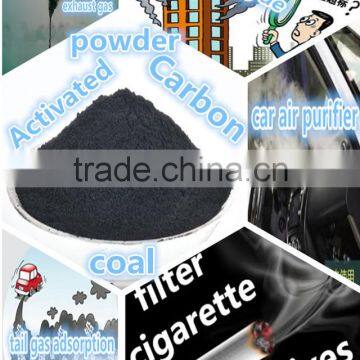 Activated Carbon as Air Filter MediaUS$ 900 - 1,263MOQ: 1 KilogramCAS No.: 64365-11-3Other Names: Activated CarbonMF: CEINECS No.: 264-846-4Shanghai Jinhu Activated Carbon Co., Ltd.
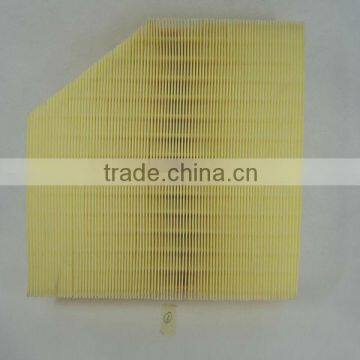 Auto Motor Air Filter MediaUS$ 1 - 3MOQ: 100 PiecesPlace of Origin: ChinaBrand Name: OEMModel Number: air filterHebei Longcheng Motor Vehicle Parts Co., Ltd.
 International Standard Filter Paper Media Plating FilterUS$ 650 - 950MOQ: 1 PieceCondition: NewPlace of Origin: Guangdong, ChinaBrand Name: SHUOBAOModel Number: SKP SeriesDongguan Shuobao Industrial Equipment Co., Ltd.
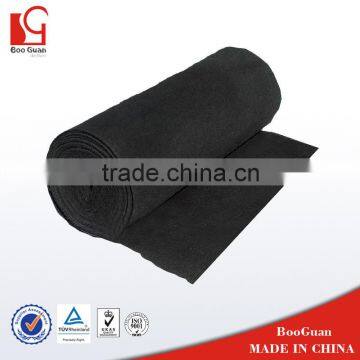 Filter Media Carbon Air Hepa Filter RollUS$ 60 - 150MOQ: 50 RollsCondition: NewEfficiency: According to the situationConstruction: Panel FilterFiltration Grade: Hepa FilterShanghai Booguan Technology Co., Ltd.
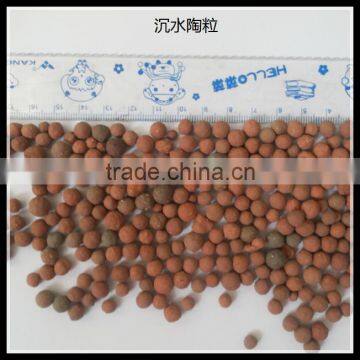 2016 Aquarium Filter Media LECA Expanded ClayUS$ 60 - 160MOQ: 10 KilogramsPlace of Origin: Henan, ChinaBrand Name: WADEModel Number: WD-10002Zhengzhou Wade Water Treatment Material Co., Ltd.
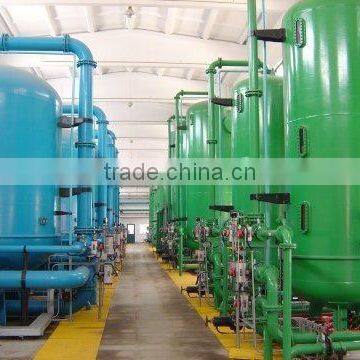 Mechanical Multi-media Activated Carbon FilterUS$ 2,200 - 38,000MOQ: 1 SetPlace of Origin: Shandong, ChinaBrand Name: JinhaosanyangModel Number: JXShandong Jinhaosanyang Environmental Protection Machine Co., Ltd.
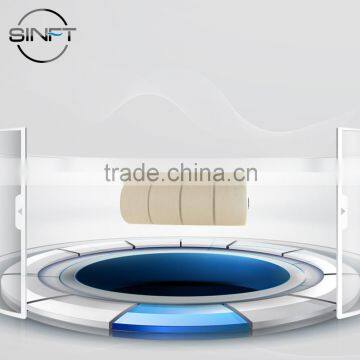 Wound Cellulose Depth Media Filter ElementUS$ 15 - 95MOQ: 1 PiecePlace of Origin: Hebei, ChinaBrand Name: wound cellulose depth media filter element for SinftModel Number: Sinft wound cellulose depth media filter elementAfter-sales Service Provided: Engineers available to service machinery overseasHebei Sinft Filter Co., Ltd.
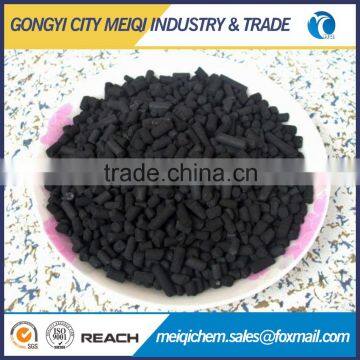 Gongyi MEIQI Activated Carbon Filter Media PriceUS$ 850 - 1,300MOQ: 1 TonCAS No.: 7440-44-0Other Names: Activated charcoalMF: CEINECS No.: 231-153-3Gongyi City Meiqi Industry & Trade Co., Ltd.
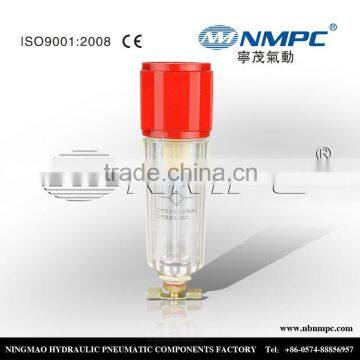 Big Market Good Profit Auto Air Filter MediaUS$ 1 - 6MOQ: 1 PieceType: Source Treatment UnitPlace of Origin: Zhejiang, ChinaModel Number: 394-15 auto air filter mediaBrand Name: NMPC auto air filter mediaNingmao Hydraulic Pneumatic Components Factory
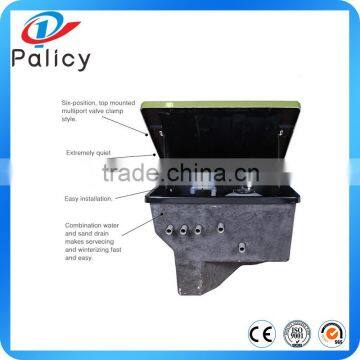 High Efficiency and Best Price Fiberglass Filter Media Swimming Pool Sand Filter TankUS$ 1779.80 - 1779.80MOQ: 1 SetPlace of Origin: Guangdong, ChinaBrand Name: PalicyModel Number: F-1010Guangzhou Palicy Trade Co., Ltd.
 Anthracite Filter MediaNegotiableMOQ: 1 SetPlace of Origin: ChinaTianjin Crown Champion Int'l Trading Co., Ltd.
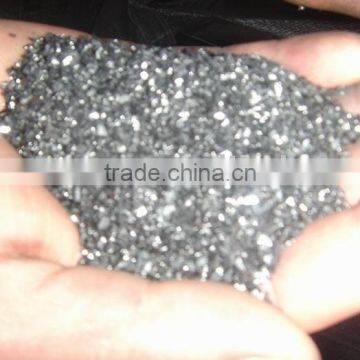 Anthracite Filter MediaUS$ 200 - 350MOQ: 20 TonsPlace of Origin: Ningxia, ChinaBrand Name: ShennengModel Number: AdsorbentBeijing Shenneng Guangzheng Technology And Trade Co., Ltd.
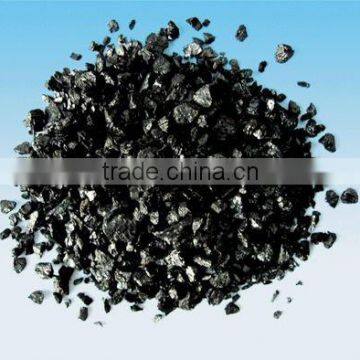 Offer Anthracite Filter MediaUS$ 120 - 260MOQ: 1 Metric TonPlace of Origin: Henan, ChinaBrand Name: HongtaiModel Number: All kindsWen County Hongtai Water Treatment Materials Factory
 Bio Anthracite Filter MediaUS$ 3.55 - 55MOQ: 12 UnitsType: Other, filter mediaSize: customizedCar Make: customizedOE NO.: customizedWeifang Cainiao Import & Export Co., Ltd.
 DYAN Anthracite Filter MediaUS$ 180 - 460MOQ: 1 TonBrand Name: DYANModel Number: FM11Gongyi Dyan Trading Co., Ltd.
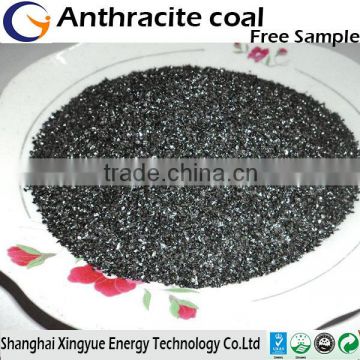 Anthracite Filter/mediaUS$ 150 - 1,000MOQ: 1 TonPlace of Origin: Shanghai, ChinaBrand Name: XingyueModel Number: XY668Shanghai Xingyue Energy Technology Co., Ltd.
 China (Mainland) Anthracite Filter MediaNegotiableMOQ: 1 SetPlace of Origin: ChinaModel Number: AFMShanxi Provincial Township Enterprises Coke (Supply & Marketing) Group Corp.
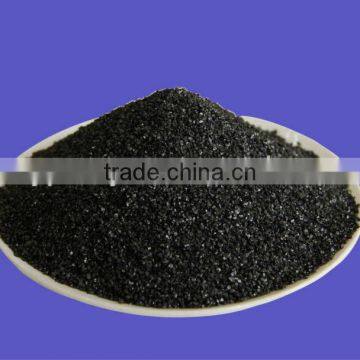 Hongye Anthracite Filter Media on SaleUS$ 1,600 - 2,000MOQ: 2 TonsPlace of Origin: Henan, ChinaBrand Name: HongyeModel Number: AFMGongyi Hongye Water Purification Materials Factory
 High Efficient Anthracite Filter MediaUS$ 220 - 380MOQ: 1 TonPlace of Origin: Henan, ChinaBrand Name: OuyaModel Number: natureGongyi Ou Ya Water Purification Materials Co., Ltd.
 Importer requested specs for Medium efficiency composite air filter bag filter pocket filter media2025-11-14 05:59:18
 Procurement Lead requested specs for Hot sell PP media water filter cartridge for large flow rate with Good quality2025-11-14 16:35:19
 Buyer negotiating terms for China (Mainland) Anthracite Filter16 hours ago
 Purchaser submitted an RFQ for swimming pool sand filter media / filter sand2025-11-14 18:07:27
 Lead Purchaser placed an order for Professional Standard Dust Collector Ceiling Filter Media Roll2025-11-14 20:11:55
 Purchasing Director requested a quote for Wooden Columnar Activated Charcoal Low Ash Activated Carbon for Air Purification Solvent Recovery2025-11-14 10:38:00
 Purchaser requested a quote for Supply anthracite,filter,Beijing KaiBiYuan2025-11-16 05:58:44
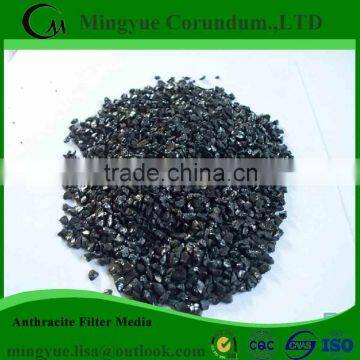 Different Size Anthracite Filter MediaUS$ 300 - 900MOQ: 2 TonsPlace of Origin: Henan, ChinaBrand Name: MingyueModel Number: MY-A-07Gongyi City Mingyue Corundum Products Co., Ltd.
 Anthracite Filter Media in Water TreatmentUS$ 140 - 300MOQ: 1 TonPlace of Origin: Henan, ChinaBrand Name: HuiyuanModel Number: HY-AFMGongyi Jiajinko Huiyuan Water Treatment Materials Factory
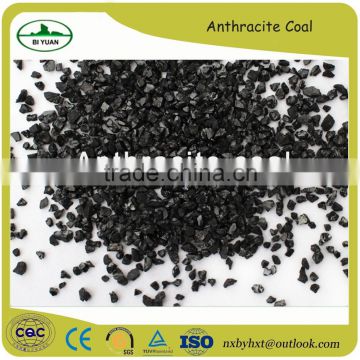 Anthracite Filter Media Price Chinese ManufacturerUS$ 180 - 330MOQ: 2 TonsPlace of Origin: Ningxia, ChinaBrand Name: BYModel Number: BY-AN-34Ningxia Biyuan Activated Carbon Co., Ltd.
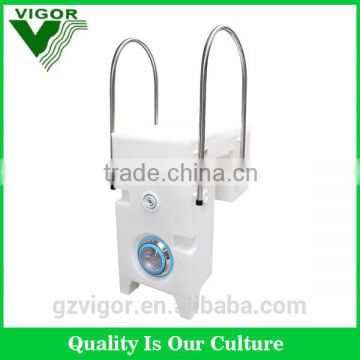 2015 Popular Grease Water Filter,Anthracite Filter Media,filter PlateNegotiableMOQ: 1 PiecePlace of Origin: Guangdong, ChinaBrand Name: PikesModel Number: PK8029Type: FilterGuangzhou Vigor Health Equipment Co., Ltd.
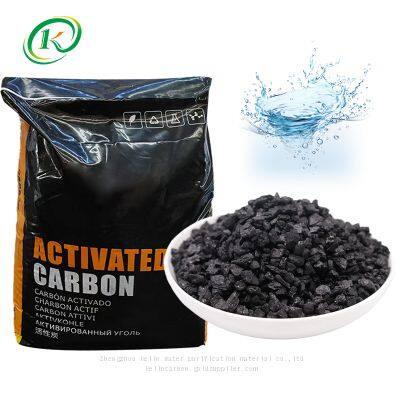 High Fixed Carbon Anthracite Filter Media For Drinking Water Treatment IndustryUS$ 0.85 - 1.65MOQ: 25 KilogramsBrand Name: KelinPlace of Origin: ChinaModel Number: Kl-GAC816Type: AdsorbentZhengzhou Kelin Water Purification Material Co.,ltd
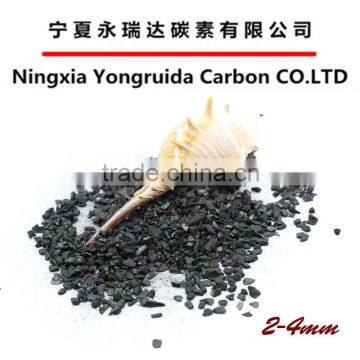 99% Removel Rate Anthracite Filter Media With Long Service LifeUS$ 200 - 1,600MOQ: 1 TonPlace of Origin: Ningxia, ChinaBrand Name: YongruidaModel Number: YRD-AC2016Ningxia Yongruida Carbon Co., Ltd.
 Anthracite Coal Filter MediaNegotiableMOQ: 1 Metric TonBrand Name: TH-1553Place of Origin: ChinaModel Number: TH-1534Gongyi City Tianhe Water Treatment Material Co,Ltd


