Ac Contactor Insights & Buyer's Guide
An in-depth exploration of male-dominated industries is incomplete without an outlook on the role of AC contactors. It is imperative to put a conscious effort into studying the AC contactors as they operate behind the scenes, uniformly enforcing loads across electrical motors in industries or HVACs in commercial setups. This, in fact, is the name of a component or a device that switches high-capacity currents off and on to other objects and is especially designed for this purpose. To better understand the nature of an AC contactor, this page discusses the components of an AC contactor and its importance in various applications, as well as aspects of repair and maintenance, all over which information aimed at professionals and amateurs.
Introductory Preamble to Use of AC Contactors
How does one describe an AC Contactor?
Switching of an electric circuit is done by, in this case, an AC contactor. It is an electric switch that is designed for higher power than ordinary relays. A basic contactor has a coil, a set of contacts, and a housing that encompasses all these. Upon the application of voltage, the coil generates a magnetic field that closes the contactor, consequently allowing current to flow through the circuit. This is especially handy in electrical systems such as HVAC systems, where most components like compressors and air unit controls are fitted with such devices. The performance of an AC contactor is very important because it uses high voltage to install the devices, and it is efficient in preventing any mechanical harm.
Significance of ac contactor in control systems
Most of the electrical appliances cannot operate without the use of AC contactors, especially in places where high current usage is always properly monitored. A contactor is a device that functions as a switch controlling power like a circuit breaker, but the voltage and current are much higher. This is vital in air conditioners, for instance, where the contactors are responsible for controlling components such as the compressor. If a contactor had not been used, it would have been very hard, as well as risky, to operate high-power circuits manually. They play a key role in operational functions in ensuring safety in the use of machines, especially those used in managing and controlling industrial and other applications where failure is hard to withstand.
Overview of the Main Types of Operators
The main work of the AC contactor is to provide safe current flow to high-voltage loads. Closing of the contacts leads to the flow of electrical current to the outer side of the device, allowing the motors, heaters, and the like to work. On HVAC systems, the function of starting and stopping the compressor, controlling the complete system, uses a contactor. In many other circuits, they are provided to deliver a controlled supply of power to the circuit work, have auxiliary contacts to protect the circuit work by overloading the contacts, and ensure that the energy is distributed in an efficient way. High current rating and voltage contacts are designed inside the contactors to give them such features due to which they are considered very important in preserving the life and smooth working of the electrical installations.
AC Contactors: Core Elements
Working Principle Of the Electromagnet and Coil Field
An electromagnet is one of the main components of ac contactor, with very important dynamics of operation, which allows it to function as a switch. When a voltage is supplied to the coil, which is basically an electromagnet, an external magnetic field is produced. Such a magnetic force causes an intentional pull of the contactor that promotes closure of the contactor to facilitate current flow through the circuit. The voltage used in the coil basically decides how powerful the magnetic field will be, that is, how much voltage and current the contactor can handle. In cases where electrical contactors are quite common, like HVAC systems, correct coil functioning is an absolute for any system to work consistently.
Main contacts and auxiliary contacts
In an AC contactor, both the main contacts and the auxiliary contacts are very important to the functioning of the device since they perform different tasks of controlling electricity in an electric circuit. The main contacts are heavily duty structures for carrying the normal load current, making it safe to utilize electrical devices in high-wattage activity applications. The terminals within the switching device open and close the main power circuit in the same fashion as a main high-level switch. Other components, called auxiliary contacts, which can only be used alongside the main contact, however, are mainly used in control circuits and interlocks. These components are critical in controlling the operation of a system such as an air conditioning unit and serve to block opposing functions in any given network. These contacts must be well-maintained or else suffer from wearing down, hence this should be avoided.
Armature and Springs
The ac contactor’s armature and springs are very crucial components that are tasked with ensuring that the contacts are moved appropriately. An armature is a metallic part that can be moved and pulled by a coil’s magnetic field towards its center. The armature moves when the coil is energized; in turn, the contacts close or open, allowing the circuit of electronics to be controlled. Springs are important in that they aid in the restoration of the armature and also the contacts to their former orientation, which is either opened or closed when the coil is no longer powered. It is this principle that allows the contactor to return to its position without failure, thereby ensuring the proper purpose of electrical apparatuses. Always ensure your contactor is serviced by a qualified expert to prevent failure, which can be detected in its operation as an example in chattering or slow response, which means the contactor is still functional after some time.
Mending the Contactors
Popular Problems and Solutions to Fix Them
The contactors in the electrical devices tend to be of the utmost necessity, and in that case, they are exposed to wear and tear with time. There is a pretty common problem known as chatter in contactors, and this happens when the pressure level of the contactor coil is very low or fluctuates a lot, which results in offshore contacts opening and closing very fast. This may cause damage of the contactor, but also the load, which in this case includes the air conditioner, can be affected. Another issue that contraction causes is called contact welding, and it usually occurs when high current flows, such that operations in the device do not allow opening or closing of the contactor in question. As such, electrical contactors sometimes develop electrical issues that need technical servicing, e.g., using a multimeter to check for a failed coil or checking the continuity of a particular circuit. Proper evaluations and the use of such solutions thus help companies in avoiding these dangers and ensuring that the contractor is within.
Suggestions for Maintaining the Condition
Appropriate preventative maintenance can help the AC contactor last longer and assure safe and efficient operation of the said circuit. It is possible to avert such failure in advance by inspecting whether the contactor gets worn out or has pits and or any other changes on it. Cleaning the contacts of carbon build-up and making sure that they remain free of any damage and stay covered are essential. Moreover, it is recommended that technicians check and tighten all terminals, for the loosening causes overheating and unwanted voltage drops. For instance, the coil voltage must be checked regularly to ascertain its conformance with the system requirements, particularly where the contactors are utilized in areas of voltage fluctuations. All these precautions help reduce the shock of an unexpected failure and preserve the working capabilities of the system.
When is it Time for the Replacement of ac contactor?
The knowledge of the appropriate time to replace an AC contactor is important in determining the safety and performance of any electrical equipment. When an AC contactor is failing despite all efforts of troubleshooting, it may require replacement. One of these factors is making too much noise, chattering, overheating constantly, or being unable to open and close the circuit perfectly. A case of pitting or e.g., welding of the contacts of the said contactor must also be avoided by replacing the contacts to avert more severe damage to the system. Also, where the AC contactor has been used for such a period beyond the lifespan or is mechanically worn with stuck armatures or weak springs, it is advisable to replace it with a fresh one. Seeking advice from experienced Air Conditioning technicians can prevent the selection of an incorrect replacement, taking into consideration the rating and application of the unit.
Applications of AC Contactors
Motor Controlling Circuits in Industries
AC contactors are essential for operations in these industries, especially in cases where they are used in the control of certain motors. The role of these devices is analogous to that of large switches, as they permit the current to reach the motor that loads the system. Once in the circuit, the contact closes, and the motors that start production processes, such as assembly lines or other heavy-duty facilities, are powered on. This application is most obvious. It is used in all instances where motors must be started and stopped rapidly and often in patterns. Thermal overloads and the AC contactor assist in maintaining motors, as they are prone to getting hot and burning out. Using suitable currents to the motor and hence a suitable coil will help the equipment last longer, reducing the downtime and consequent overhead in repair expenses.
Lighting Control Systems
AC contactor is both an important component in a lighting control system and a frequently used device in buildings that require extensive lighting systems, such as large commercial and public buildings. Contacts control the passage of current and enable the lighting network to be switched on and off at one go, e.g., stadium, arena, or office building lighting networks. Such systems contribute to effective housekeeping of lighting systems as well as managing energy saving by switching on and off when needed. To amplify this functionality, it is possible to use indicators that allow to assure the integration of control systems such as programmable logic controllers (PLC) and building management systems. The correct choice of contactors in consideration of the voltages and currents required will guarantee efficient lighting-out practices and minimize electrical hazards, thereby enhancing the safety and performance of the system, installed and functioning.
Incorporation with Heating Systems
In the HVAC world, things like a compressor, or a fan in the case of the AC, or perhaps a pump are large components of air conditioning units and, as with other things in these systems, require control. This control is executed by the utilization of contactors for each component. These AC contactors manage the electrical supply system of the air conditioning unit so that those components, i.e., compressor and condenser unit, operate at their optimal functioning conditions. This helps in coping with the changing climatic conditions within or outside the building, whether it is cooling or heating that is required. This also means the operation will change accordingly when the thermostat takes updates from the environment and user and turns on or off. The other common problem is the contactor, and replacing it on time will solve these problems and leave you with a perfectly running AC system. By keeping the contactor in good operational capacity, HVAC appliances maintain the level of comfort and energy saving required by any home or any business.
Frequently Asked Questions (FAQs)
What is an AC contactor, and how does it work?
AC contactors are essential electrical components that serve as circuit breakers that helping to regulate the supply of electric current in air conditioners. This involves connection to and disconnection from a power circuit that drives a fan motor and a compressor. Once the thermostat is turned to the cool position, the contacts close and the unit is energized. However, this is necessary for a smooth and dependable operation of your air conditioning. In the event of a faulty contactor, it may provide symptoms of breakdown, such as the AC not turning on, prompting one to take action to check and possibly fix the equipment.
How can I test for a bad AC contactor?
In order to detect a faulty AC contactor, one needs to use a multimeter to check for impedance through the contacts. First of all, ensure the power supply is off to prevent electric shock. Then, isolate the contactor by removing its wires and checking if continuity is present when the contactor is actuated. When there is no such continuity or when there is only buzzing without the contactor being complete, this suggests a failure. In addition, this test can be reaccomplished by a specialist AC constructor, who will check most of the circuits in the system and establish whether a circuit needs replacing.
What are the signs that my AC contactor needs repair?
The most common symptoms of ac contactor issue include a non-functional air conditioner, buzzing in and around the air conditioner, and the air conditioner turning on and off on its own. If the AC contactor stays open all the time, the motor won’t be able to start, which means it would do little in terms of cooling. In addition to the signs mentioned above, there may be burns or charring on the contact. Routine maintenance checks by an authorized technician help detect such aspects in time and ensure the proper functioning of your air conditioner.
What is the role of a capacitor in an AC contactor system?
The capacitor in an AC contactor helps in the starting and operation of the motor of the fan as well as the compressor. It contains electrical energy, which it releases to assist the motor when the contactor is turned on. In case this unit is defective, the AC unit will either not function properly or the consumption of power will be higher. This will cause the circuit to work harder, which will cause damage to other parts sooner or later. As such, it is important to constantly check the state of the capacitor and in the case of aging or inadequacy, replace it to keep the air cooling system working optimally.
Can I replace an AC contactor myself?
One can do the replacement of ac contactor by themselves, but it needs some acquaintance with handling the electrical circuits and their safety standards. All power must be off before the beginning of any work. However, if you are skilled and willing to connect an electrical system, using the relevant tools, change it out according to the manufacturer's instructions. Otherwise, if some of the steps are difficult or you don’t have prior knowledge, it would be better to call an AC installation technician for safety and installation purposes. Careful installation of a new contactor device will also help to maintain a stable operation of the system.









 Contact Platform Support
 Help Center
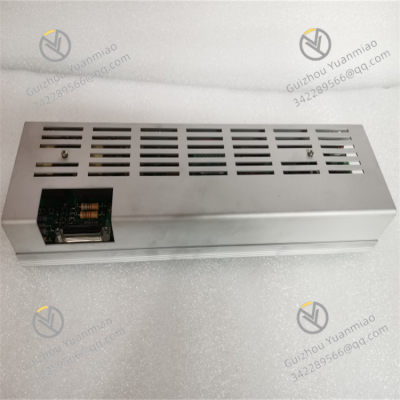 UAC317AEV1 Universal ac ContactorNegotiableMOQ: 1 PieceMaterial: Other, Global universal modelCondition: Other, Global universal modelTask: Other, Global universal modelMathematical Model: Other, Global universal modelGuizhou Yuanmiao Automation Equipment Co., Ltd.
 1 Yr
1 Yr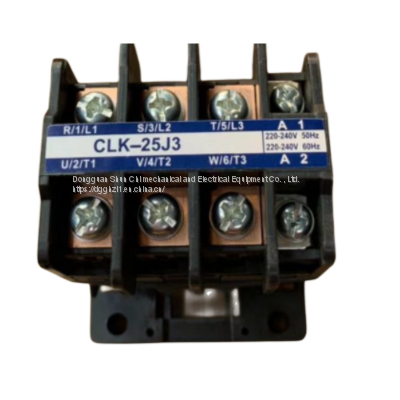 Daikin VRV Generation Air Conditioning ac Contactor CLK-35J-P6 Electromagnetic Contactor AC TransformerUS$ 200 - 400MOQ: 1 PieceBrand Name: DaikinPlace of Origin: ChinaModel Number: CLK-35J-P6Certification: ULDongguan Shun Chi Mechanical And Electrical Equipment Co. , Ltd.
 ac ContactorUS$ 3.78 - 3.78MOQ: 100 PiecesBrand Name: JUCHEPlace of Origin: ChinaModel Number: JCC8Juche Group Co.,LTD
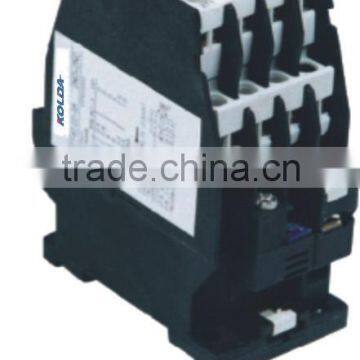 the ac ContactorUS$ 1.383 - 1.68MOQ: 500 PiecesPlace of Origin: Zhejiang, ChinaBrand Name: MalltonModel Number: 3TFElectricity Type: ACWenzhou Mallton Electric Co., Ltd.
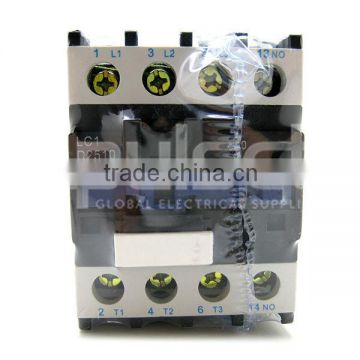 ac ContactorUS$ 1 - 50MOQ: 100 PiecesPlace of Origin: ChinaBrand Name: PulsetModel Number: CONT/D2510Electricity Type: ACPulset Pty Ltd
 ac ContactorNegotiableMOQ: 1Place of Origin: Zhejiang, ChinaBrand Name: SENTAIModel Number: M-CLElectricity Type: ACZhejiang Sentai Electrical Apparatus Factory
 Sell ac ContactorNegotiableMOQ: 1 PiecePlace of Origin: ChinaChang Cheng Electrical Equipment Group Co., Ltd.
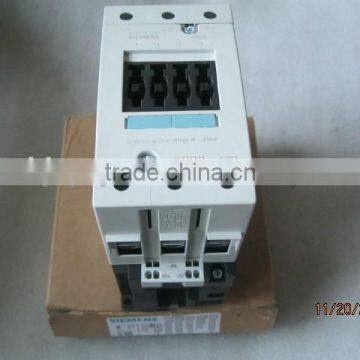 Siemens ac Contactor 3RT1045-3RB40-0KS0 24VDCUS$ 1 - 200MOQ: 1 PieceModel Number: 3RT1045-3RB40-0KS0Beijing Chuangyesiyi Technology Co., Ltd.
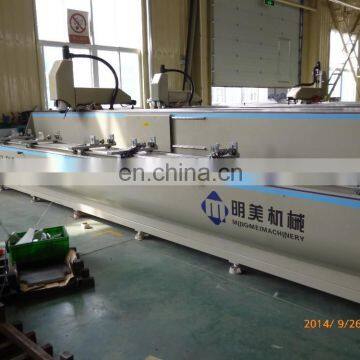 ac Contactor LCJG3-CNC-6000 3-axis CNC Processing CenterUS$ 40,000 - 68,000MOQ: 1 SetBrand Name: Shandong MingmeiPlace of Origin: Shandong, ChinaModel Number: LCJG3-CNC-6000Material: SteelSinon CNC Machine Co., Ltd.
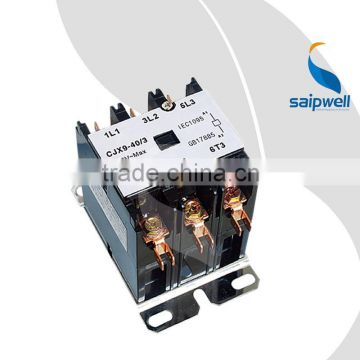 2015 China Factory CJX9 Series Air Condition ac ContactorUS$ 1 - 5MOQ: 100 UnitsPlace of Origin: Zhejiang, ChinaBrand Name: Saip / SaipwellModel Number: CJX9-2M-40-240VElectricity Type: ACYueqing Saip Electric Company Limited
 ac Contactor CKJ11-160/1.5NegotiableMOQ: 1 PieceBrand Name: GLVACPlace of Origin: ChinaModel Number: CKJ11-160/1.5Kunshan GuoLi Electronic Technology Co., Ltd.
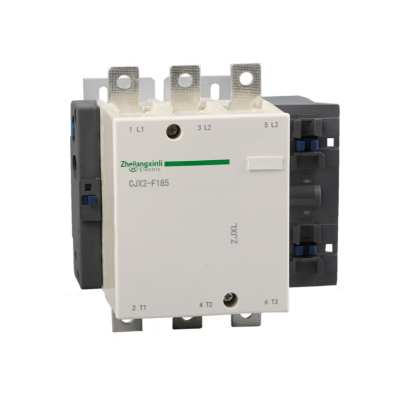 CJX2-F Series ac ContactorsUS$ 20 - 30MOQ: 1 PieceBrand Name: Sell-BestPlace of Origin: ChinaMain Circuit Rating Current: Other, 115-1000AMain Circuit Rating Voltage: 600vChongqing Sell Best Technology Co., Ltd
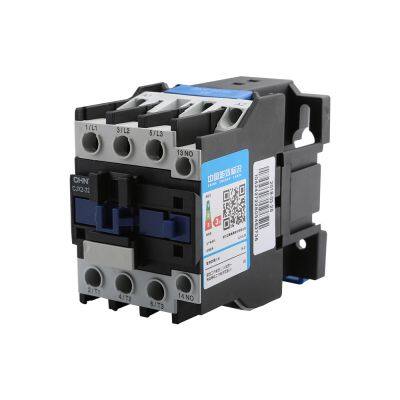 CHNT CJX2 1810 CJX2 2510 CJX2 3210 CJXS 1210 ac Contactor Controller Cabinet Electrical CNC AccessoriesUS$ 9 - 10MOQ: 1 PieceType: Ac ContactorsPhase: 1Electricity Type: AcMain Circuit Rating Voltage: 380VJinan Hongyang CNC Machinery Co., Ltd.
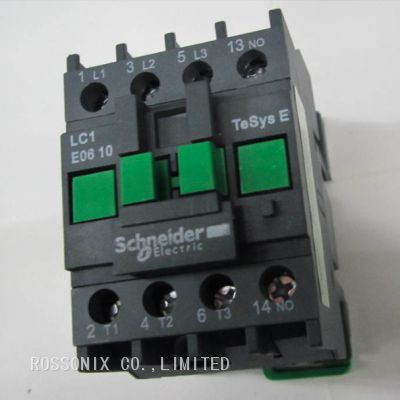 Original Authentic LC1E0610M5N AC220V 50Hz Schneider Three-stage ac ContactorNegotiableMOQ: 1 PieceBrand Name: SchneiderModel Number: LC1E0610M5NRossonix Co.,limited
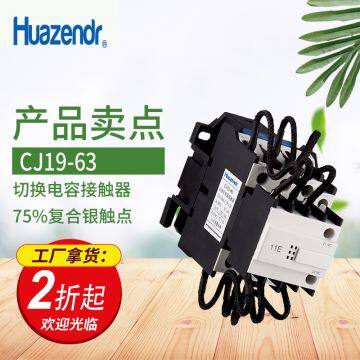 CJ19(16)-63A Low-voltage Switching Capacitor Contactor Cast Capacitor ac ContactorUS$ 18.45 - PcsMOQ: 1 TrayBrand Name: HuazendrPlace of Origin: ChinaModel Number: CJ19(16)-43~63AMain Circuit Rating Current: Other, 63AHuazheng Electric Co., Ltd..
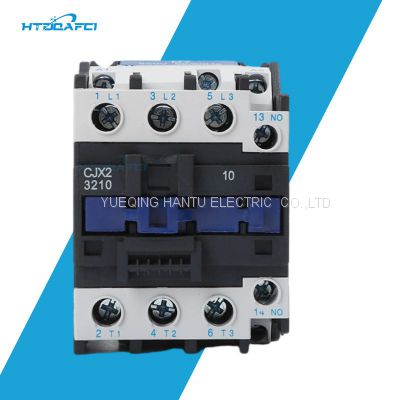 18A 3p+1no/1nc Rail Installation LC1d Cjx2- 0910 1 Normally Open Contact Normally Closed Contactors ac ContactorUS$ 10 - 60MOQ: 2 PiecesPlace of Origin: ChinaModel Number: CJX2Main Circuit Rating Current: OtherMain Circuit Rating Voltage: 380vYueqing Hantu Electric Co.,ltd
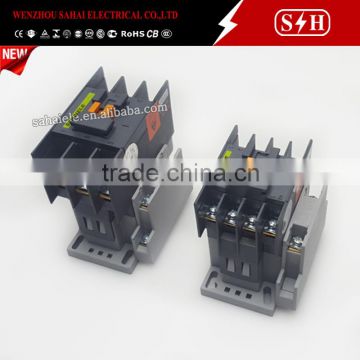 ac ContactorUS$ 5.5 - 9.2MOQ: 1000 PiecesPlace of Origin: Zhejiang, ChinaBrand Name: Sahai or OEMModel Number: UMC seriesType: Residual CurrentWenzhou Sahai Electrical Co., Ltd.
 ac ContactorNegotiableMOQ: 1 SetPlace of Origin: ChinaYueqing Ruixin Electro-Mechanical Co., Ltd.
 ac ContactorNegotiableMOQ: 1 PiecePlace of Origin: ChinaYuanxin (Shanghai) Machinery & Electric Co., Ltd.
 ac ContactorNegotiableMOQ: 1 SetPlace of Origin: ChinaFoshan Omell Electrical Equipment Co., Ltd.
 Sourcing Agent requested specs for AC Contactor2025-11-13 16:19:53
 Sourcing Agent requested specs for Ac Contactor2025-11-16 10:14:20
 Lead Purchaser requested specs for AC Contactor19 hours ago
 Purchaser submitted an RFQ for AC Contactor2025-11-12 16:46:58
 Buyer placed an order for AC Contactor2025-11-15 15:29:33
 Business Owner is sourcing AC contactor2025-11-15 18:08:05
 Procurement Specialist placed an order for AC Contactor2025-11-15 18:02:02
 Procurement Lead submitted an RFQ for AC contactor2025-11-12 19:12:57
 Procurement Lead negotiating terms for ac contactor2025-11-14 15:51:36
 Purchaser requested specs for AC contactor22 hours ago
 Purchaser submitted an RFQ for AC contactor2025-11-13 12:20:12
 Operations Head placed an order for AC Contactor2025-11-14 04:35:12

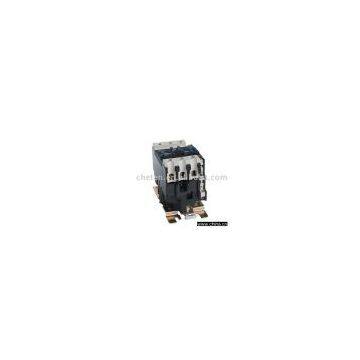
 ac ContactorNegotiableMOQ: 1 SetPlace of Origin: ChinaYueqing City Yiyuan Power Electronics Co., Ltd.
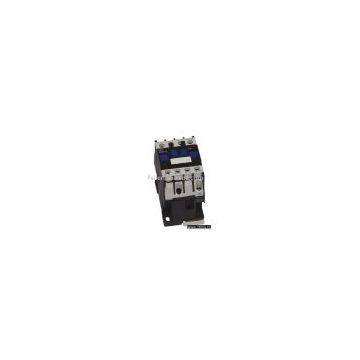 ac ContactorNegotiableMOQ: 1 SetPlace of Origin: ChinaYueqing Fasilang Electric Science And Technology Co., Ltd.
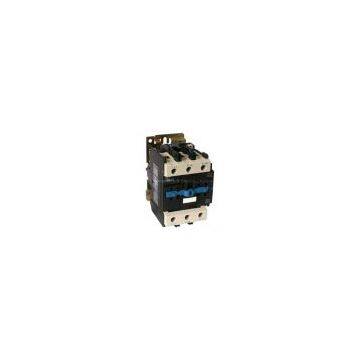 ac ContactorNegotiableMOQ: 1000 SetsPlace of Origin: ChinaModel Number: 03Green Group Imp.& Exp.Co.,Ltd