ALL CATEGORIES

Browse by Category

Featured Suppliers

Featured verified suppliers in Baby Apparel

Featured Products

Top-selling and featured products in Baby Apparel
Smart Sourcing Guide

Essential tips for successful procurement

Find Products Efficiently

Quickly locate what you need:
Browse specialized subcategories above
Use precise keywords in our search
Filter by specifications & certifications

Verify Supplier Credentials

Ensure reliable partnerships:
Look for the badgeVerified Supplier
Check supplier certifications
Review transaction history

Industry Insights

Key developments and opportunities about Baby Apparel

  • Applications

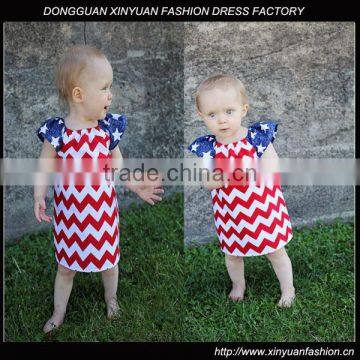
    Baby apparel, including one-piece rompers, bodysuits, and swaddling blankets, serves infants' daily comfort and safety in settings like home, daycare, and outdoor activities, addressing needs from newborns to toddlers.
  • Industry Trends

    Emerging trends feature sustainable materials such as organic cotton and recycled fibers, alongside automation for efficient production and customized designs, enhancing innovation in baby clothing.
  • Sustainability & Compliance

    Compliance requires adherence to standards like CE for safety and ISO for environmental management, with eco-trends favoring certified organic textiles and non-toxic dyes to meet global regulations.
  • Buying Guide

    Procurement advice: evaluate suppliers for certifications like Oeko-Tex, prioritize product safety testing, and select items based on material quality, durability, and ethical manufacturing practices.
FAQ

Common Sourcing Questions

Common Sourcing Questions in Baby Apparel

What is the typical MOQ for custom baby bodysuits?

The minimum order quantity (MOQ) for custom baby bodysuits usually ranges from 500 to 1,000 pieces, depending on fabric complexity and design customization like logo embroidery. We require a detailed tech pack for sizing and colors, and orders often include volume discounts. For international buyers, ensure suppliers hold certifications like OEKO-TEX Standard 100 for skin-friendly materials to meet EU safety standards. This helps streamline procurement by reducing quality risks and aligns with bulk purchasing strategies for cost efficiency.

How can we customize baby one-piece rompers with specific colors and logos?

Customizing baby one-piece rompers involves submitting a design file or tech pack detailing colors, logos, and sizing (e.g., snap closures). Suppliers typically offer digital or physical samples for approval, with a small fee for mock-ups. The process includes fabric selection and dyeing, with MOQs starting at 300 pieces. Ensure vendors are ISO 9001-certified for quality control, and discuss packaging options like poly bags to protect garments during transit. This approach minimizes delays and ensures buyer satisfaction in global apparel sourcing.

Are baby pant sets compliant with international safety certifications like GOTS?

Yes, reputable suppliers for baby pant sets often comply with certifications such as GOTS (Global Organic Textile Standard) for organic cotton and OEKO-TEX for chemical safety. These ensure materials are non-toxic and eco-friendly, meeting EU and US regulations. When procuring, request documentation and verify MOQs, which start around 400 sets. Include packaging specs like recyclable boxes to avoid customs issues. This focus on certifications reduces import risks and supports ethical sourcing for infant apparel.

What is the process and timeline for sampling swaddling blankets?

Sampling swaddling blankets typically involves submitting design details for fabric, size, and prints; suppliers provide a physical sample in 7-14 days for approval, often with a nominal fee. MOQs for production start at 200 units, and customization includes options for organic materials with certifications like GOTS. Confirm packaging requirements early, such as fold-and-bag methods, to ensure safe shipping. This step helps buyers evaluate quality before bulk orders, reducing procurement errors in infant textile sourcing.

What packaging options are available for other baby apparels like hats or bibs?

For other baby apparels like hats or bibs, common packaging includes poly bags, hang tags, or eco-friendly boxes to protect items during transit. Suppliers often customize packaging based on order volume, with MOQs starting at 300 pieces. Discuss FSC-certified materials for sustainability and include barcodes for inventory tracking. Ensure vendors are ISO 9001-certified to maintain quality, and factor in shipping costs for air or sea freight. This approach optimizes logistics and meets buyer demands for safe, branded infant products.

What shipping methods and lead times apply for bulk orders of baby bodysuits?

Shipping bulk orders of baby bodysuits typically offers air freight (7-10 days) or sea freight (3-6 weeks), with costs varying by volume and destination. Suppliers handle export documentation, and packaging should use durable options like carton boxes to prevent damage. Confirm MOQs, such as 500 pieces, and ensure compliance with CE marks for European markets. Plan for customs clearance delays and discuss insurance to safeguard shipments, facilitating smooth procurement for global infant apparel buyers.

How long is the production lead time for custom baby pant sets?

Production lead time for custom baby pant sets is usually 4-6 weeks after sample approval and order confirmation, depending on design complexity and MOQs starting at 400 sets. Suppliers with ISO 9001 certification ensure quality through inspections, and include details like fabric sourcing and sizing variations. Discuss packaging and shipping arrangements early to avoid delays, and request OEKO-TEX compliance for material safety. This timeline helps buyers plan inventory and align with seasonal demand in infant clothing procurement.

Do suppliers offer quality assurance for baby one-piece rompers, such as inspection reports?

Yes, suppliers typically provide quality assurance for baby one-piece rompers, including pre-shipment inspection reports and adherence to certifications like OEKO-TEX. This covers stitching, fabric durability, and safety standards, with MOQs from 300 pieces. Buyers can request third-party audits and specify packaging like individual poly bags. For international orders, ensure CE compliance and discuss return policies for defects. This reduces risks and builds trust in sourcing high-quality infant apparel globally.

Other Industries

Explore more categories