Product Management
Blog Management
Inquiry Management
Analytics Center

 Connect Your Store to WeChat
Follow Our Official Service Account
Manage Products & Inquiries Anywhere
Seller Services

Join GoldSupplier.com
Free & Instant Registration
Showcase Company & Products
Access Global Buying Requests

Activate Verified Supplier Membership
Priority Verified Visibility
Claim Exclusive Buying Requests
Automated Multi-language Store

Launch Your EasyOcean Website
Full-Service Website Management
Google Page 1 Guarantee
Enhanced Brand Credibility


The Protected Horticulture channel on Goldsupplier.com connects global Wholesale Suppliers and Manufacturers, showcasing diverse products such as Plastic Greenhouse, Garden Greenhouse, Hydroponics System, Glass Greenhouse, and Seed Tray & Planting Pot. It delivers one-stop solutions from OEM customization to bulk procurement for buyers worldwide.
This industry integrates technologies like automated irrigation systems and smart greenhouse controls, while adhering to international standards such as ISO and eco-friendly trends like biodegradable materials for sustainable sourcing. Options include bulk orders and OEM production to meet evolving demands.
Goldsupplier.com maintains rigorous verification and certification processes, ensuring premium products and reliable Suppliers. Overcome sourcing challenges by exploring trusted Manufacturers and requesting quotes for tailored horticultural solutions today.
429
96,676
1,178

Garden Greenhouse


Farm Irrigation System

Plastic Greenhouse

Hydroponics System

Other Greenhouse & Accessories

Seedbed

Mulch Film

Breeding Tools

Ecological Greenhouse

Evaporative Cooling Pad

Glass Greenhouse

Greenhouse Clip & Clamp

Greenhouse Curtain Wire

Greenhouse Film Rolling

Greenhouse Plastic Film

Greenhouse Shade Netting

Greenhouse Skeleton

Insect Net

PC Panel Greenhouse

Seed Tray & Planting Pot

Shipping Container Greenhouse

Smart Greenhouse

Solar Greenhouse

Sunlight Greenhouse

Featured verified suppliers in Protected Horticulture
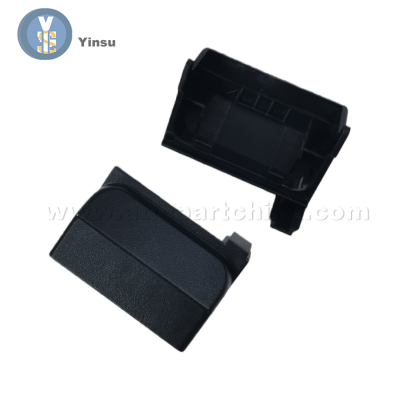
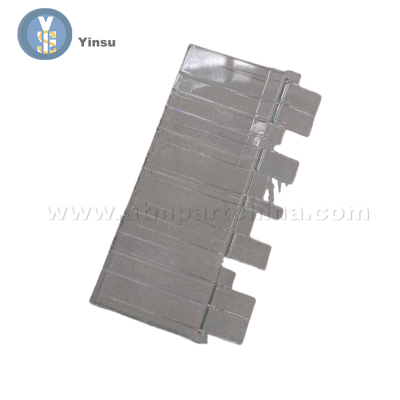
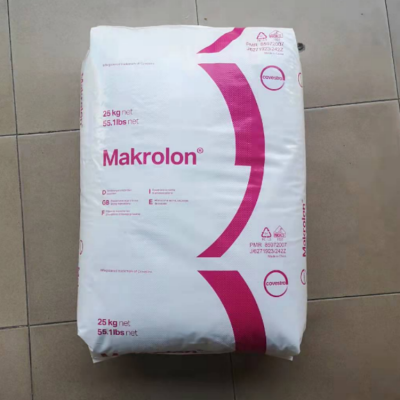
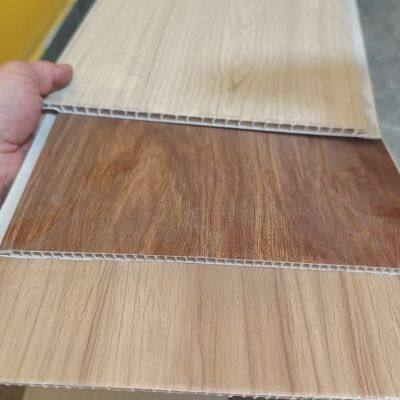
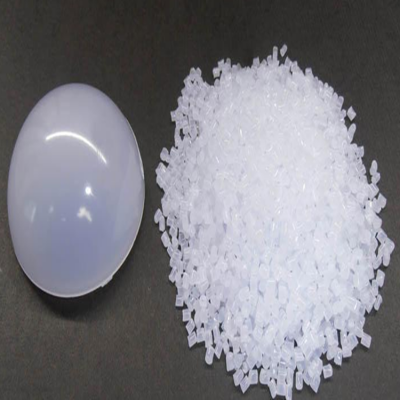
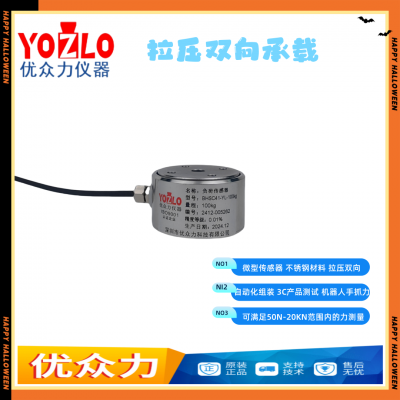
Top-selling and featured products in Protected Horticulture

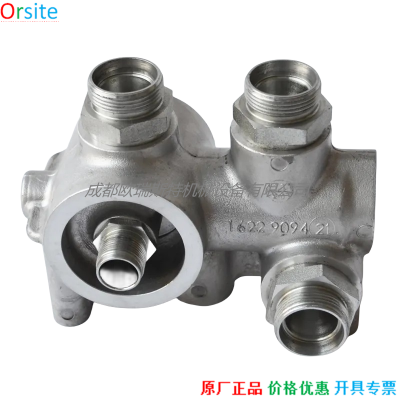

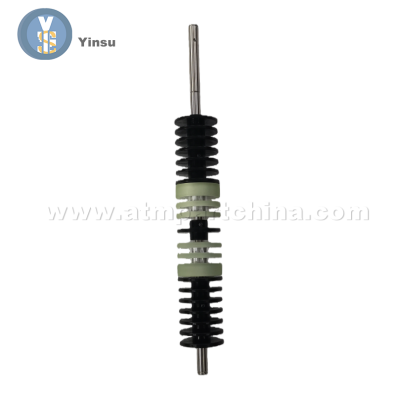

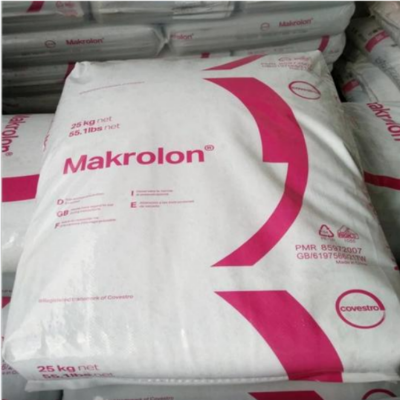
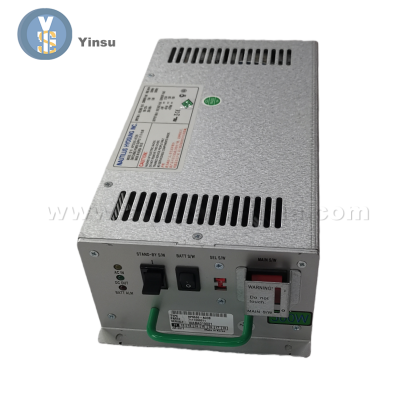





Essential tips for successful procurement

Find Products Efficiently

Verify Supplier Credentials

Key developments and opportunities about Protected Horticulture
Applications
Industry Trends
Sustainability & Compliance
Buying Guide

Common Sourcing Questions in Protected Horticulture
What is the typical minimum order quantity (MOQ) for custom plastic greenhouses?
Are garden greenhouses certified with international standards such as CE or FSC?
How does the sampling process work for farm irrigation systems?
What shipping options are available for hydroponics systems to international destinations?
What quality control measures are implemented for mulch film production?
Can seed trays and planting pots be customized for specific crop requirements?
How are greenhouse film rolling systems packaged for export to ensure damage-free delivery?
What customization options are available for glass greenhouses, including dimensions and glazing?
Explore more categories

Official WeChat Account
Follow Us for Updates


 Contact Platform Support
 Help Center